

How To Size Pin And Collar Bracelet?
Sizing a Pin and Collar Bracelet: A Practical How-To
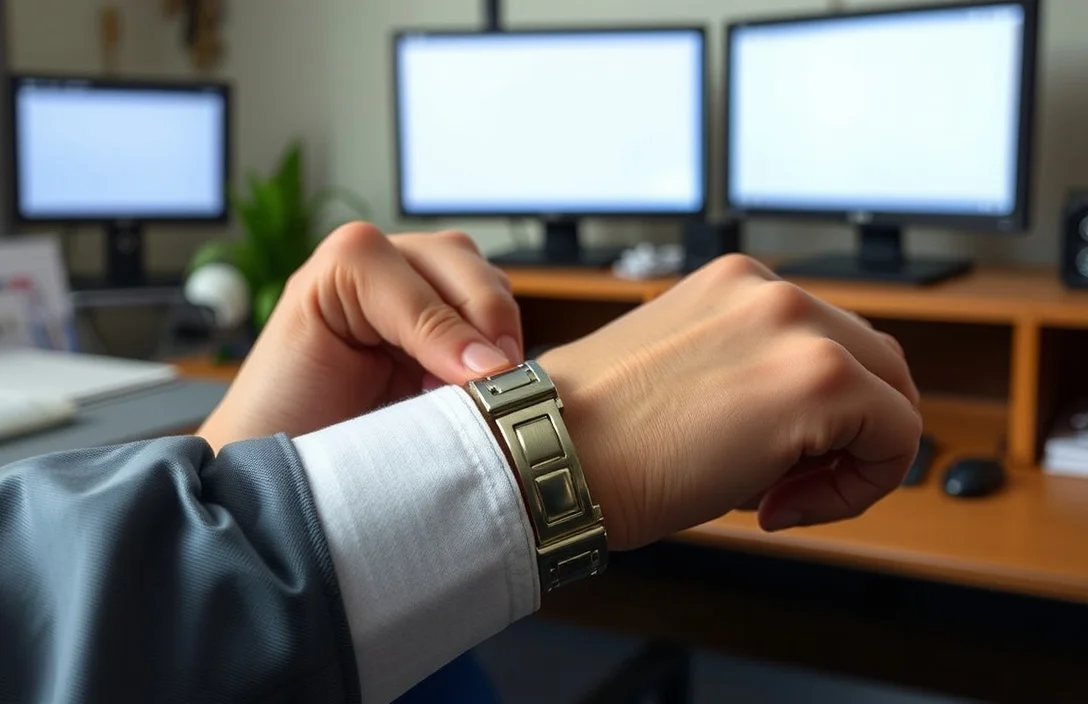
Sizing a pin and collar bracelet is precise but doable. With the right tools, clear lighting, and a patient hand, you can trim length by a link or two, re-seat collars, and end up with a comfortable fit that looks like it came from a pro. This guide covers measuring, planning, executing the resize, testing the result, and what to do if things don’t go perfectly.
Pin and collar sizing is a hands-on task. You’ll measure your wrist, compare to the bracelet’s current length, remove or add links, insert collars, and tap the pin home. Take small steps, verify the fit with a test wear, and stop if any piece feels misaligned or stiff.
Key Takeaways
- Measure first. Get your wrist circumference and the bracelet’s current length to plan how many links to remove or add.
- Tools matter. A pin-pusher tool, non-magnetic tweezers, and a soft mallet protect the bracelet and your fingers.
- Light and clean workspace. Clear lighting and a steady surface reduce slips when handling tiny collars.
- Go small, test often. Adjust in 1-link increments and try on the bracelet at each stage.
- Protect the surface. Use a dedicated mat or a soft, non-marring surface to avoid scratches.
- When in doubt, call a pro. If a pin refuses to move or collars won’t seat, professional sizing saves time and prevents damage.
What a Pin and Collar Bracelet Is
The pin and collar system uses a solid steel pin that travels through the bracelet links and a separate collar that seats inside the link. The collar grips the pin once the pin is pushed fully home, locking the bracelet length in place. This method provides a sturdy, long-lasting connection, but it demands careful handling to avoid bending pins or misplacing collars.
In practice, you’ll size by removing or adding links, then reassemble the links with the collars in their seats. The goal is an even, flat profile with no gaps along the clasp line. Expect small adjustments – most wrists sit between two common bracelet lengths, and a single link can make a noticeable difference in fit.
You’re not fighting a screw mechanism or a spring bar. You’re managing a delicate little collar that must stay aligned inside the link, and a pin that must slide cleanly through the bore without catching on edges. When you get a clean insertion and a snug feel, the bracelet wears evenly and sits comfortably on the wrist.
Tools and Safety You Need
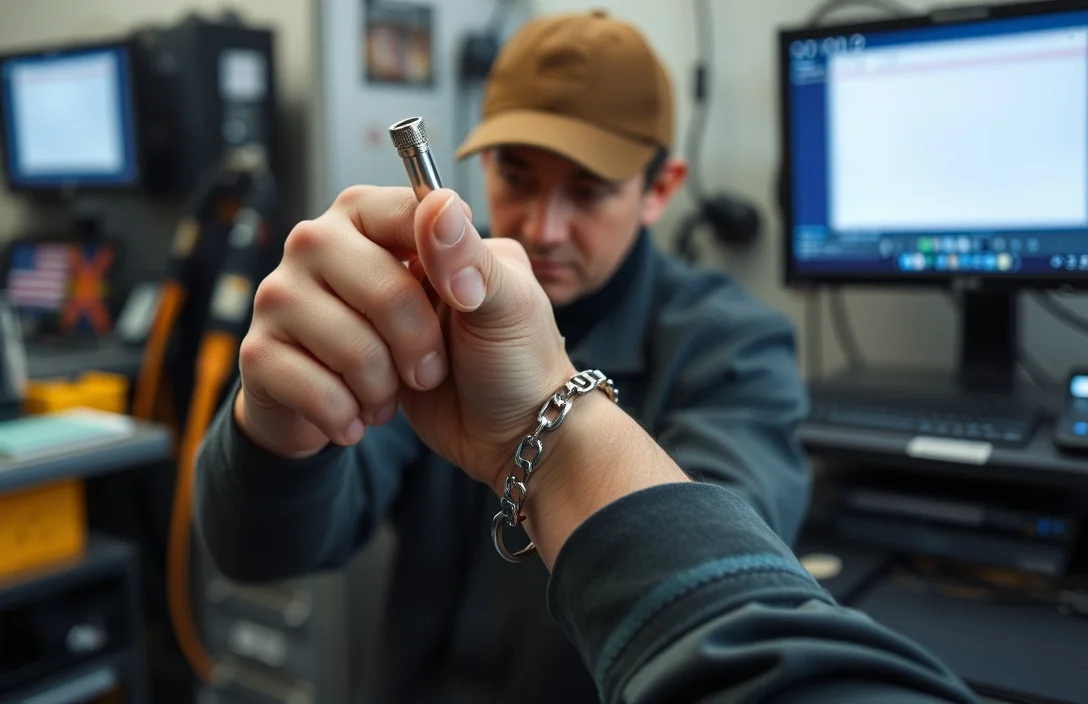
Two things matter most: you need the right tools, and you use them with care. The right set minimizes scratches, bent pins, and collar misalignment.
- A pin-pusher tool or a dedicated bracelet press
- A small, non-magnetic tweezers or precision forceps
- A small nylon or rawhide hammer or mallet
- A soft mat or jewelry work pad and a clean, flat work surface
- A ruler or caliper for precise length checks
- Fine-point marker or tape to mark where you remove or add links
- A soft cloth for wiping dust and fingerprints
Safety basics: work under good lighting, avoid forcing pins, and place all parts in a shallow tray to prevent losing tiny collars. If a pin is stubborn, don’t hammer harder; switch to a lighter tap or pause and re-lubricate with a tiny amount of appropriate watch oil on the surface of the pin if allowed by your bracelet design.
Tools and setup make the difference. If you’re in a cramped space or dim light, improve the setup before you start. A tidy workspace with all parts visible reduces mistakes and speeds up the process.
Measure Your Wrist and Current Bracelet Length
A clean, repeatable measurement is the foundation of a good fit. You want the final length to be just a hair looser than a tight pocket watch style, but not so loose that the bracelet shifts excessively on the wrist.
Measure your wrist circumference at the resting position for the bracelet. Use a soft tape measure or a flexible string you can lay flat, then transfer the measurement to a ruler. Record the measurement in millimeters for precision.
Determine the bracelet’s current length. If the end links are visible at the clasp, measure from the inside of one end link to the inside of the opposite end link, following the wrist’s curve. Some brands publish the exact length in millimeters in the manual; if you don’t have access to original specs, measure what you currently wear with the watch on your wrist. When you compare wrist size to bracelet length, you can decide how many links to remove or add.
If you’re between sizes, size toward the larger end during the first pass. It’s easier to remove material than to compensate for an oversized fit after you’ve closed the bracelet. After trying the sized bracelet, refine the fit with another small adjustment if necessary.
The measurement step is the foundation because it determines how many links you’ll adjust. A precise measurement prevents over-removal and avoids reassembling with a partial link.
How Many Links to Remove or Add

Plan around the measured difference between your wrist and the bracelet length. Remove or add links in whole link increments whenever possible, because partial links tend to create uneven edges and weaken the pattern.
- If the bracelet is too long by 8-12 mm, removing 1-2 links in the first pass is a sensible starting point.
- If the bracelet is too short, add links from the clasp side or center, depending on design. Adding links is often more involved and may require brand-supplied hardware.
A clean plan reduces disassembly. Mark the exact links you intend to remove with a small, visible marker. Keep markers visible so you don’t lose track. When you’re ready to remove, you’ll have a clear map to follow, minimizing misalignment.
Consider a quick reference guide:
- Plan A: remove 1 link on the side with the adjustable end of the clasp
- Plan B: remove 2 links if you’re between 2 and 3 links off
- Plan C: add one link if the bracelet is slightly short but the clasp area remains comfortable
A careful plan helps you proceed with confidence, and you can split the work into two passes if needed. First pass might remove 1 link and test fit; second pass adjusts as necessary.
Step-by-Step Sizing Method
Follow a disciplined, step-by-step method. Each step begins with a verb and leads you toward a snug, even fit.
1) Prepare the bracelet and workspace. Clear the area, lay down the mat, and ensure all tools are within reach.
2) Remove the bracelet from the watch case and place it on the mat with the clasp facing up. Inspect for wear or corrosion that could complicate resizing.
3) Identify which links to adjust. Use the wrist measurement and current length to decide whether you will remove or add links. Mark the target links clearly.
4) Remove the pins from the targeted links using the pin-pusher tool. Push the pin partly out, then tilt and pull it free with tweezers. Keep the pin and collars in a small tray to avoid losing them.
5) Extract and inspect the collars. If a collar sits recessed inside the link, release it with the tweezers without bending. If a collar is damaged, replace it before reassembly.
6) Reassemble with the updated link count. Align the links, insert collars as needed, and drive the pins back into place with a gentle hammer strike on a hard surface.
7) Test the fit. Try the watch on with light activity to assess comfort and movement. If there is any pin movement, re-check collar seating and alignment.
8) Adjust in small increments if needed. If the fit isn’t perfect, repeat the process in smaller link changes until the desired feel is achieved.
9) Clean and inspect. Wipe the bracelet, check for burrs or rough edges, and ensure the clasp sits flush when closed.
Example: measure a wrist at 195 mm and find the bracelet is 210 mm. Plan to remove 1-2 links and test-fit, then fine-tune by another 0.5 mm to 1 mm if needed. Re-test after the first adjustment rather than locking in a final position before trying it on.
How to Remove and Re-seat Pins and Collars Safely
Removing and seating pins and collars is the trickiest part. A patient approach avoids scratches and bent parts.
- Start with clean hands and a clean workspace. Dust and oils can cause collars to grip unevenly.
- Place the bracelet face down on the mat. Protect the surface with a soft cloth.
- Use the pin-pusher to push the pin from the opposite side. Apply steady, even pressure rather than quick taps.
- If a pin is stubborn, pause, check alignment, and try a tiny twist to coax it out. Forcing a pin can deform the link holes or collar.
- When reinserting, seat the collar fully inside the link before driving the pin home. A mis-seated collar creates a loose edge or pin drift.
This step demands control more than brute force. A well-seated collar is the difference between a bracelet that wears smoothly and one that rubs or moves out of alignment. If you’re unsure about seating, pause and verify the collar’s position before you finish.
Troubleshooting Common Issues and Quick Fixes
Problems pop up with pin and collar systems. Here are practical fixes that save time and frustration.
- Problem: The pin will not move.
Fix: Check alignment first. A misaligned hole invites friction. Lightly rotate the bracelet or shift the link to clear the obstruction, then retry with a steadier push.
- Problem: The collar sits high or uneven.
Fix: Remove the collar and re-seat it fully inside the link. Use a fine-tip tool to ensure the collar sits flush before driving the pin back in.
- Problem: The bracelet feels stiff after sizing.
Fix: Ensure you did not pinch a collar or misalign a link. Re-check seating and move the bracelet through its range of motion to confirm smoothness.
- Problem: A burr or sharp edge appears near a link.
Fix: Lightly deburr with a fine file or replace the affected link if the burr cannot be removed safely.
- Problem: The final length is off by more than 1-2 mm.
Fix: Re-measure and confirm which links were adjusted. It may be necessary to remove or add one more link and re-check the fit.
Patience and gradual tweaks beat one big swing. If you’re stuck after multiple attempts, step back, re-check measurements, and you’ll often spot a small mistake.
When to Size at Home vs Seek a Professional
DIY sizing saves money and gives you control, but it isn’t right for every bracelet or model.
- Best for DIY: standard pin and collar systems on commonly sized bracelets, light-to-moderate wear, and bracelets without delicate or mixed materials.
- Best for professional sizing: expensive or delicate collars, unusual link geometry, very tight tolerances, or bracelets integral to the case design.
Cost-wise, you’ll spend a small amount on tools if you don’t already own them. Time ranges from 20 to 60 minutes depending on the bracelet, your experience, and how many iterations you perform. If pins feel unusually resistant or you notice kinks, a pro’s touch saves time and reduces risk.
A well-sized pin and collar bracelet should feel even and secure with a normal range of movement, not loose or wobbly.
Maintenance After Sizing
Protect the investment with a quick maintenance routine to extend the bracelet’s life.
- Clean and inspect regularly. Wipe away oils and debris; check for wear along pin holes or collar seats.
- Lubrication when appropriate. A tiny dab of watch-grade lubricant on moving parts can reduce wear, but avoid excess that could attract dust.
- Periodic re-checks. After a few weeks of wear, re-check the fit and collar seating. Temperature changes or bracelet flex can nudge parts slightly.
- Store and handle carefully. When not wearing the watch, store it in a safe place to prevent accidental pressure on the bracelet.
Maintenance keeps the sizing stable. If you see new gaps, looseness, or stiffness, revisit the sizing steps.
Quick Reference: Sizing Plan vs Other Methods
Below is a quick comparison to help you decide when to use pin and collar, screw-in links, or another method. The table focuses on practical outcomes.
- Pin and Collar: Durable, secure connection; best for long-term stability and a robust feel. Requires careful handling and precise seating.
- Screw-In Links: Easier to resize for some models; faster to adjust but can loosen if not torqued properly. Uses a small screwdriver and careful alignment.
- Other Systems (hair pins, push pins, etc): Varies; often lighter and easier to manipulate but may require specialized tools.
This side-by-side helps you plan DIY work or decide when to seek professional help. Each method has its own balance of ease, reliability, and time.
Practical Verdict and Next
Sizing a pin and collar bracelet is precise but repeatable. Start with accurate measurements, assemble the right toolkit, and proceed in small, testable steps. If anything feels off, pause, reassess, and re-measure before continuing. Your next step is to inventory your tools, measure your wrist and current bracelet length, and set a two-pass plan: remove a single link in the first pass, test, then fine-tune in the second pass if needed.
FAQ
How precise should my wrist measurement be?
A. Measure to the nearest millimeter, then confirm by wrapping the tape measure around twice and averaging the result. A variance of ±1 mm is acceptable for most pin and collar sizing efforts.
Can I size a bracelet without removing any collars?
A. Yes, if you only need a small adjustment, you can often shift the pin slightly within the collar to fine-tune length. Do not force the pin, and re-check seating after any adjustment.
What tools are essential?
A. A pin-pusher, non-magnetic tweezers, a soft hammer, and a stable work surface are essential. A magnifier helps if you have difficulty seeing the tiny collars.
How long does it typically take to size a bracelet?
A. Expect 20-60 minutes depending on your experience, the bracelet’s complexity, and how many adjustments you need to make. A first pass may take longer as you learn the process.
Is it risky to resize a solid-link bracelet at home?
A. There is risk of bending pins or mis-seating collars if you rush. Take your time, use proper tools, and stop if a pin refuses to move. Seek professional help if you’re unsure.
This article gives you a straightforward, practical path to sizing a pin and collar bracelet. With steady hands, the right tools, and a careful plan, you can achieve a clean, secure fit that wears in evenly and lasts. If you’re ever unsure, a professional adjustment remains a sensible option to protect the investment and the mechanism.