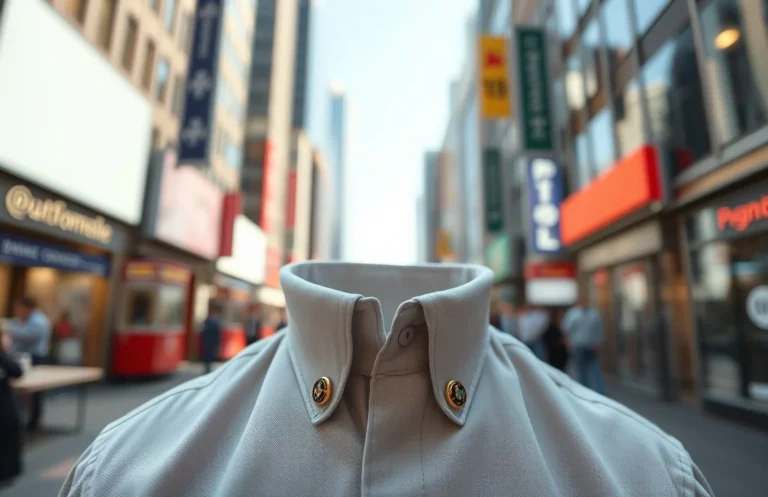

How To Wear Collar Pin? Tips For A Perfect Look Every Time
A collar pin instantly sharpens a dress shirt by pulling the collar points together and lifting the knot of your tie. It works best on stiff cotton or poplin collars and with a pin that has a secure backer. When used correctly, the pin remains still, and the finish looks intentional rather than fussy.
Pin through both collar points about 1.5 cm below the tips with the top button fastened to lift the knot and create a crisp line under the tie. Check alignment in a mirror while standing straight, as small adjustments can significantly improve symmetry.
Key Takeaways
- Placement matters. Pin through both collar points about 1.5 cm below the tips to lift the knot.
- Top button stays. Keep the shirt’s top button fastened for a flat collar.
- Fabric matters. Use a stiff, mid-weight cotton or poplin for stability.
- Pin construction matters. Choose a straight pin with a back bar or small chain to prevent slipping.
- Knot visibility. The tie knot should cover the pin; adjust to keep the shaft hidden.
- Removal etiquette. Remove the pin when you’re done wearing the jacket to avoid snagging.
What a collar pin does
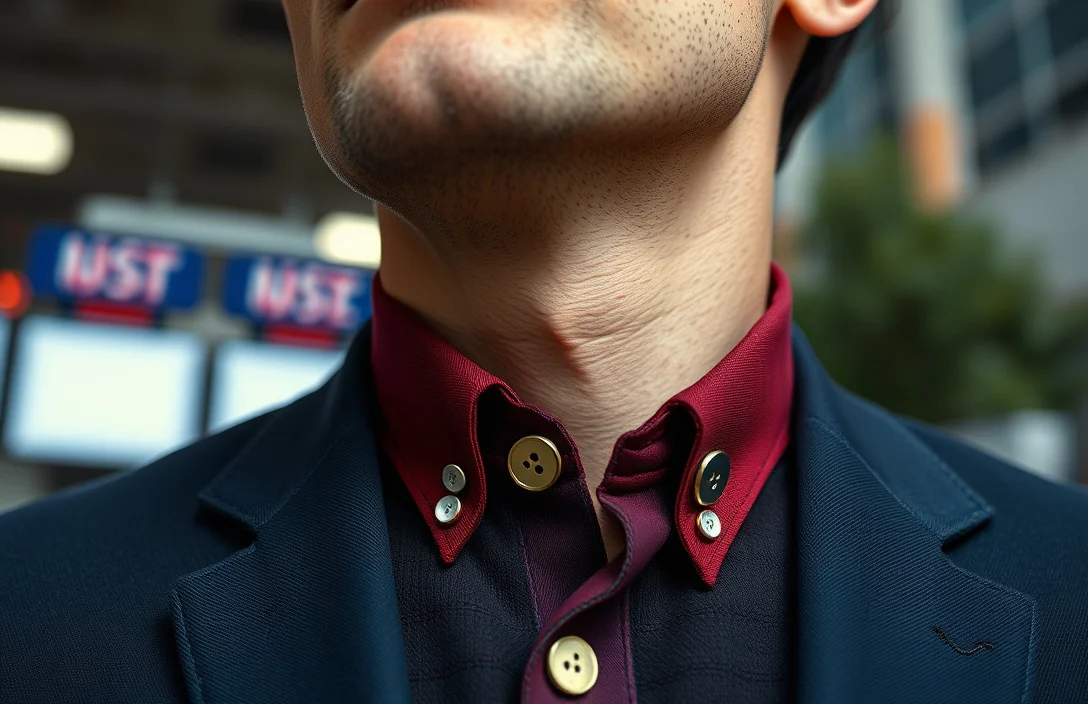
A collar pin bridges the gap between the two collar points and locks them in place. It subtly lifts the knot, making the vertical line under the tie more pronounced. The result is a controlled look that feels classic, not casual. The collar appears more refined, and the tie sits in a crisp, straight silhouette.
Using a collar pin requires attention to fabric and collar type. Thick, sturdy fabrics can handle the pin without wobbling; delicate or loose-weave shirts may bunch or snag. Avoid using a pin on soft or unlined collars, which risk dents or permanent impressions. The pin should only be used on shirts that can withstand some pressure without distortion.
Once you’ve lined up the collar points and secured the backer, you’ll feel the difference. The pin prevents the collars from spreading and helps the tie knot sit higher, enhancing the overall look. This technique isn’t suited for casual shirts or knit collars; it’s meant for formal or semi-formal dress shirts.
Prerequisites: shirts, collars, and pins
The right basics are essential for your outcome. A stiff, well-pressed shirt with a proper collar supports the pin and maintains a clean line. If the collar collapses or sags, the effect will appear forced. The pin is a finishing touch, not a crutch for a weak collar.
Gear you’ll need:
- A collar pin with a backer or a small chain
- A shirt with a sturdy, well-constructed collar
- A neatly tied necktie with a knot that sits comfortably at collar height
- A mirror and a moment of patience to check alignment
Pair the pin with a shirt that has a crisp collar stay or fusible support. Avoid ultra-soft fabrics or shirts with frayed collar edges. Press the collar before pinning to ensure the points lie cleanly and evenly.
how to wear a collar pin

Start by preparing the shirt and tie, then place the pin with deliberate alignment.
First, position the shirt and tie. Button the top button and slip on the tie, tying a knot that sits comfortably at collar height. Ensure the collar points lie flat and parallel, both tips pointing forward. Adjust the knot height as needed.
Second, align and insert the pin. Hold the two collar points together at your desired pin location. Pass the pin through both layers of fabric from the outside, then seat the backer flat behind the collar. The backer should sit flush against the shirt, not create a crease. If it doesn’t sit flat, reposition the pin slightly higher or lower.
Then check the fit and symmetry. Look in the mirror from the front and the side. The knot should sit just above the pin, not below it. The collar line should look straight, fully enclosing the tie knot without exposing the pin shaft.
Finally, adjust and finish. If the knot looks too high or low, lift or lower the pin slightly. Avoid excessive tightening; precision creates drama, not force. Once satisfied, give the collar one last check before leaving the house.
Step 1: Choose a shirt with a sturdy collar that can handle a pin.
Step 2: Button the top button and tie the knot to sit at collar height.
Step 3: Align both collar points evenly.
Step 4: Insert the pin through both points from the outside, with the backer behind the collar.
Step 5: Ensure the backer sits flush and verify that the knot sits over the pin.
Step 6: Make final adjustments in the mirror before heading out.
Step 7: Remove the pin when you take off the jacket to protect the fabric.
Common mistakes and how to avoid them
Missteps are predictable but fixable. Placement and the collar’s ability to hold the pin without distortion are crucial. If you pin too high, the knot appears oversized and cramped; too low and the line loses its vertical emphasis.
Avoid these pitfalls with a quick checklist:
- Pinning too high or too low. Recheck the height by comparing the tie knot’s position to the collar tips in the mirror.
- Using a flimsy pin on a thick collar. Choose a robust pin with a backer that seats cleanly.
- Leaving the top button unfastened. The collar won’t sit flat; keep the button fastened for proper alignment.
- Pinning a delicate fabric. If the shirt shows puckering or marks, consider a collar clip or skip the pin.
- Over-rotating the knot. A tight knot with a high pin can create stiffness and appear contrived.
The right setup makes the pin almost unnoticeable, adding a clean architectural detail. Practice with an inexpensive shirt before applying the technique to your best looks.
Collar pin options
| Option | How it works | Best for | Cautions |
|---|---|---|---|
| Traditional collar pin | Pins through both collar points with a backer; holds collar together and slightly elevates the knot | Stiff, cotton or poplin collars; formal looks | Can leave impressions on delicate fabrics; requires precise placement |
| Collar clip | Clips to the inner edge of the collar; does not pierce fabric | Soft fabrics and casual to semi-formal attire | More visible; may shift during movement |
| Tie pin alternative | Attaches to the tie knot or through a small anchor near the knot | Thick-knotted ties; modern or vintage vibes | Not a true collar pin; styling reads differently |
| Collar bar | Small bar sits between collar points, sometimes used with a tie bar | Heavier fabrics; minimal fabric wear | More visible; less traditional than a pin |
Use this table to quickly decide what to buy based on your shirt and event. If you’re new to the look, start with a collar pin on a sturdy shirt. If unsure about fabric compatibility, try a collar clip for a similar silhouette without piercing the fabric.
Troubleshooting and adjustments
If the pin shifts during wear, recheck the backer and height. A misaligned pin disrupts symmetry. If the pin sits too far from the knot, adjust its position for balance.
When the collar droops, reposition the pin or switch to a clip. If you notice fabric damage, stop using the pin on that shirt. Aim for a crisp line that feels comfortable all day, not a pin that draws attention.
If the knot becomes uncomfortable, loosen the tie slightly and recheck the pin height. Use a mirror to confirm alignment from multiple angles. Small tweaks can significantly enhance the overall outfit.
Outfit ideas and
A navy suit with a white shirt and a medium-weight tie pairs well with a collar pin for a classic, formal look. The pin adds precision without being overpowering. Choose a knot substantial enough to sit above the pin without crowding the collar.
A charcoal suit with a light blue shirt and a pale gray tie creates a modern, elegant line when the collar pin is correctly placed. The pin’s presence is subtle, and the overall silhouette appears sharp rather than fussy, suitable for business meetings and formal dinners alike.
Care and maintenance
Regular care keeps the pin clean and functional. Wipe it with a soft cloth to remove fingerprints or oils after wearing. If the pin is rust-resistant stainless steel, occasional light oiling helps maintain smooth threading and reduces stiffness when inserting or removing the backer.
Store collar pins in a small jewelry tray or dedicated case to prevent bending or snagging on other garments. Avoid leaving pins loose in a drawer; small bumps can bend the backer or dull the finish. Replace the pin if you notice corrosion or micro-cracks.
Next actions
Practice in front of a mirror, then try the look with a blazer or suit jacket for a formal event. Start with a well-pressed shirt and a conservative knot height. If you prefer a safer option, test a collar clip before transitioning to a traditional pin.
A collar pin delivers deliberate, vintage-tinged sharpness on the right collar. If you want the look without risk, begin with a collar clip or a tie bar, moving to a pin as you gain confidence.
FAQ
What is a collar pin and what does it do?
A collar pin is a small metal bar that passes through the two points of a shirt collar to pull them together and raise the knot. It creates a crisp vertical line under a tie and works best on stiff poplin or cotton collars. Collar pin height and stability create a clear look, not just the tool itself.
Is a collar pin appropriate for all shirt collars?
Not all collars handle a pin equally. It works best on sturdy, well-constructed collars with a solid stay system. Delicate fabrics or soft collars may show puckering or impressions after pinning. If in doubt, test on a less expensive shirt first.
How do I place a collar pin correctly?
Button the top button, tie the knot at a comfortable height, and align the collar points evenly. Pass the pin through both points from the outside, seat the backer behind the collar, and verify that the knot sits over the pin. Small height adjustments can improve symmetry.
Can I sleep with a collar pin in place?
No. Sleeping with a collar pin risks catching skin or damaging the shirt fabric. Remove the pin when you take off the jacket and store it safely to prevent misplacement or injury.
What are good alternatives to a collar pin?
Collar clips and tie bars offer similar sharp lines without piercing fabric. A collar clip is safer on delicate fabrics, while a tie bar creates a strong vertical anchor along the tie. Each option changes the look, so try both to see what suits your style.