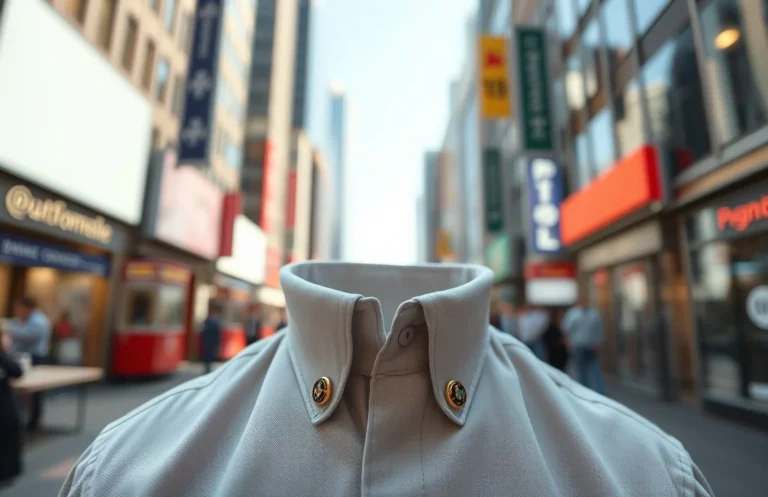
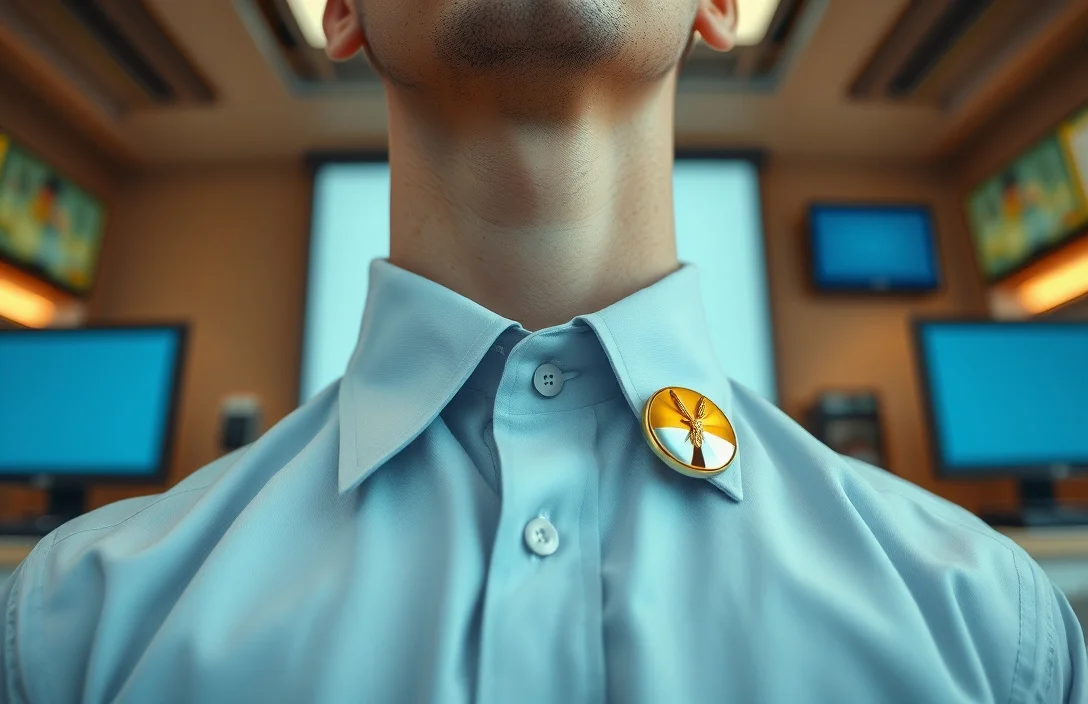
When To Wear A Collar Pin? A Guide To Formal Occasions
When to Wear a Collar Pin
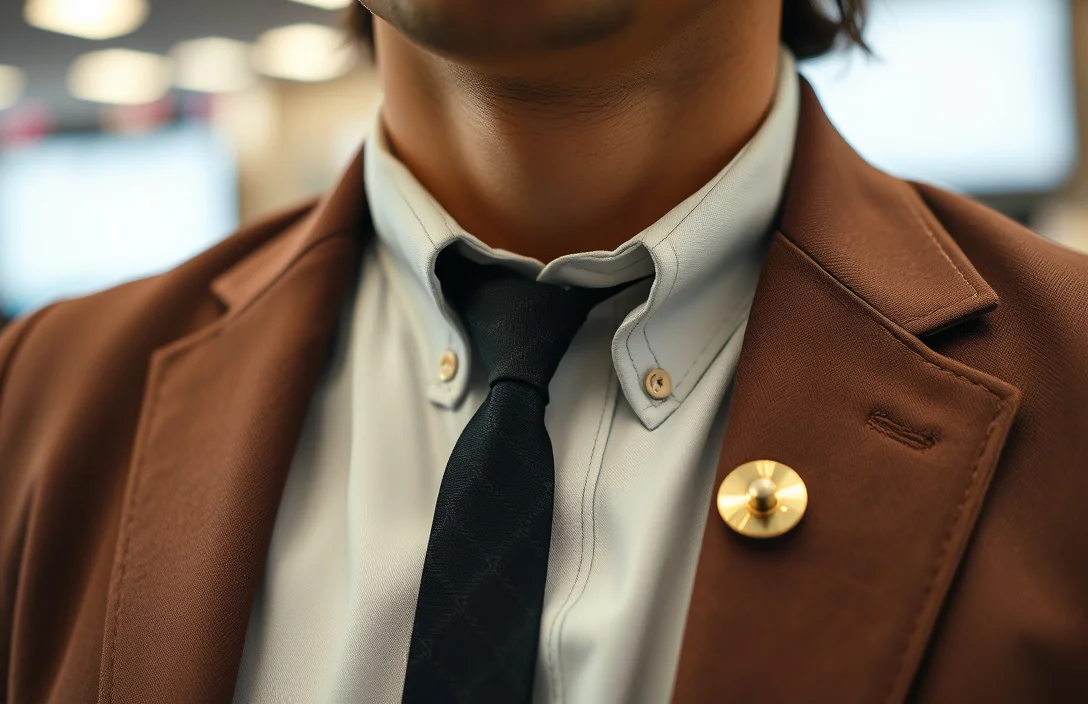
Wear a collar pin only for formal events – black-tie, weddings, galas – and skip it for casual or business settings. A collar pin anchors the collar and lifts the knot by about 1/4 inch, producing a crisp, symmetrical line. It signals deliberate dressing and pairs with a properly tightened knot. It’s not a casual accessory.
Key Takeaways
- Best occasions. Reserve collar pins for black-tie events or weddings, not casual Fridays.
- Shirt compatibility. Use shirts with collar-point holes designed for pins, and pair with a well-tied necktie.
- Alignment matters. Center the pin between the collar points and keep it level to avoid a skewed line.
- Maintenance helps. Clean and polish the pin; a bent or worn pin looks sloppy.
- Know the risk. Avoid delicate fabrics or non-stiff collars that may not hold the pin well.
What a Collar Pin Is and Why It Exists
A collar pin sits between the collar points and anchors the collar to create a defined, lifted edge. It belongs to a family of formalwear accessories distinct from collar stays or simple tie bars. The effect is a more angular silhouette, with the knot sitting higher and the lines of the shirt crisper.
Traditional usage centers on very formal wardrobes: a sharp white shirt, starched collar, and a carefully chosen tie. In modern wardrobes, collar pins are used more selectively – often in vintage-inspired outfits or specific event looks. The trade-off is clear: greater formality and deliberate effort, but less flexibility for casual settings. In practice, you’ll rarely see a collar pin outside weddings, galas, or black-tie rehearsals.
Mechanically, two holes or openings in the collar points receive the pin, which crosses the collar and fixes the points in place. The result is a precise collar line that complements a tight knot. This isn’t a casual accessory; it’s a statement piece that requires careful matching of shirt, tie, and occasion. When it works, the overall effect is clean, controlled, and unmistakably formal.
Traditional vs Modern Usage

Traditional usage treats the collar pin as formal detailing that elevates a classic shirt. It pairs with stiff or semi-stiff collars and a neatly tied knot. The modern take is more restrained: choose the pin for specific looks or nostalgia-driven style, not as a daily staple. The decision to wear one comes down to context, attitude, and whether the event rewards an extra touch of refinement.
The practical downside is that collar pins can look out of place in casual or business-casual environments. If your work culture values understated dress, a collar pin can read as showy rather than polished. Reserve it for outfits that center on formality and restraint.
For example, at a formal wedding with a classic black-tie vibe, a collar pin can harmonize with a crisp white shirt, a well-cut suit, and a traditional knot. In most office settings, however, a pin is unnecessary and can distract from a clean, modern look. The decision hinges on the event’s dress code, the shirt’s construction, and whether you’re aiming for timeless formality or a contemporary, understated line.
Dress Codes and Occasions
Collar pins sit at the upper tier of dress codes. They shine where a precise, crisp silhouette carries weight and tradition matters. The main occasions to reach for a collar pin are:
- Black-tie events, where symmetry and polish support a formal, high-contrast aesthetic.
- Weddings with a formal or semi-formal dress code, especially when the shirt is crisp and the knot sits neatly.
- Formal galas or ceremonies that reward a deliberate, classic look and where the audience expects traditional menswear cues.
- Vintage or retro-inspired shoots and outfits where authenticity is the priority and you’re aiming to evoke a specific era.
In casual or smart-casual settings, skip the collar pin. The pin’s effect is too strong for everyday shirts, and it can clash with soft fabrics or unstructured collars. For business formal environments, check the office culture first. If colleagues wear muted ties and simple collars, a collar pin may read as overly contrived. In those cases, a tie bar or simple knot can achieve a cleaner line without drawing eyebrows.
Map the occasion to your shirt and tie selection. A plain white or light-blue shirt with a stiff collar works best, because the collar’s structure supports the pin’s presence. The tie knot should be compact and well-centered; a bulky knot will compete with the pin and create a crowded appearance. If you’re unsure about the environment, start with a less conspicuous setup and reserve the collar pin for truly formal events.
How to Wear It Properly

Wear the collar pin only when the shirt is prepared for it and the tie knot is properly sized. Follow these steps if your shirt has holes or is designed for a pin:
1) Inspect the shirt. Collar points should be clean, crisp, and aligned.
2) Align the points. Position the pin so it sits centered across the gap between the collar tips.
3) Insert with care. Thread the pin through the holes, keeping it horizontal.
4) Check the knot. Tighten the tie so the knot sits at a natural height without pulling the collar.
5) Level the pin. Keep the pin parallel to the ground.
6) Confirm comfort. Move your head and shoulders to ensure the pin doesn’t pinch.
This look should be integrated, not obviously an add-on. If any part feels forced, reassess the shirt, collar fit, or knot size. A well-executed collar pin reads as a seamless extension of a deliberate outfit.
Styles, Materials, and Care
| Type | How it works | Best For | Care notes |
|---|---|---|---|
| Straight pin | Passes through the collar points and rests across the knot line | Classic, formal looks | Handle gently; metal can bend if forced |
| Bar between points (collar bar) | Sits between points, holds collar steady without crossing holes | Traditional formalwear | Check alignment frequently; avoid rough fabrics |
| Collar clip / chain | Clips or links across points, sometimes with a short chain | Vintage-inspired outfits | Ensure it won’t snag delicate fabrics; clean regularly |
| Materials | Steel, brass, silver, gold-tone, or precious metals | Varies by formality and budget | Clean after wear; polish for luster; store separately to prevent scratches |
Straight pins stay understated when the shirt is prepared for holes. Bars offer a cleaner silhouette and a less intrusive mechanism. Clips and chains lean into vintage aesthetics and can be bolder in controlled settings. Material choice shifts tone: steel or brass feel traditional; gold-tone or precious metals add a luxe, formal undertone.
Alternatives and Common Mistakes
Cotton or casual fabrics don’t respond well to collar pins; the effect reads as forced. If you want a similar sharpness without the risk, consider:
- Tie bars or tie clips for a similar vertical emphasis without pinning the collar
- Collar stays for a clean collar line that doesn’t affect knot height
- Subtle lapel pins or cuff details that echo a formal vibe without altering the collar
Common mistakes include using a pin on a non-stiff or soft collar, over-tightening the knot, or choosing a pin that doesn’t align with the shirt’s holes. A bulky pin on delicate fabric can leave impressions. If in doubt, practice with a less conspicuous shirt before a high-stakes event. The goal is a controlled, elegant line, not a gadget-y look.
In practice, collar pins are often paired with classic white or light blue shirts, pressed with a crisp collar. The look works when the rest of the outfit stays balanced and restrained. If the venue calls for minimalism, a collar pin can still read as intentional without overpowering the ensemble.
Shopping and Care
When shopping for a collar pin, prioritize fit, finish, and compatibility. Look for pins that sit flat against the collar and have a smooth, non-pitted surface to avoid snagging fabrics. Price varies with material and craftsmanship, but the right piece should feel substantial yet comfortable when worn. For care, wipe the pin with a soft cloth after wear and store it in a small pouch or case to prevent scratches.
Ask these quick questions before you buy:
- Does the shirt have collar-point holes, or is it designed to accommodate a pin?
- Is the collar stiff enough to support a pin without warping?
- Do you want a plain metal look or a premium finish like silver, brass, or gold-tone?
In practice, the best collar pin feels integrated with your shirt and tie, like part of the original design. It should enhance the silhouette without shouting. If a pin doesn’t harmonize with the shirt’s fabric and collar construction, it’s not a good match.
A practical finishing step: test the look in daylight and under event lighting. The pin’s effect should read as clean lines and symmetry, not a hardware accessory. If the tie knot looks crowded or the collar line buckles, reconsider or skip.
Case Studies and Practical
For a formal wedding with a classic black-tie vibe, a white shirt with a starched collar and a slim black tie benefits from a collar pin. The pin lifts the knot and maintains a sharp edge for photos, especially with a well-tailored suit and polished shoes, producing a coherent, high-contrast silhouette.
In a corporate setting with a traditional dress code, a collar pin can feel old-fashioned unless the rest of the outfit matches in refinement. If choosing between looks for a conference, favor a clean, modern necktie and skip the pin unless the event explicitly invites vintage or classic styling. The pin then becomes a deliberate nod to tradition, not a daily staple.
In a vintage-themed shoot or event, a collar pin fits naturally. Pair it with a crisp wingtip shirt and a tailored three-piece suit to recreate a mid-century aesthetic. Alignment matters more here, so take extra care to space the points evenly and ensure the knot isn’t overwhelmed by the pin. The goal is authenticity in texture, line, and shadow.
Closing verdict: collar pins are not everyday wear. They’re a deliberate tool for moments when you want classical formality with a precise, constructed line. If you’re curious, try one with a well-pressed, stiff collar on a shirt designed for collar pins, and reserve the look for events that reward a timeless, polished appearance.
FAQ
How formal is a collar pin compared with other menswear accessories?
A collar pin is more formal than most tie accessories but less common than a full morning suit or tails; it signals a traditional, deliberate dress code and should be used sparingly for the right event.
What occasions are collar pins appropriate for?
Black-tie events and weddings are ideal, especially when the shirt is crisp and the knot is compact. For day-to-day business, it’s usually too formal unless the event explicitly invites vintage or classic styling and heritage details.
How do you wear a collar pin correctly?
Insert the pin through the collar-point holes, center it between the points, and ensure the knot sits neatly without pulling the collar. The pin should be horizontal and visible as a refined line, not a distraction.
Can you wear a collar pin with modern casual shirts?
No, not typically. Casual shirts lack the collar construction needed for a pin, and the look reads as forced rather than intentional. Save the pin for shirts designed for formal wear.
How should I care for a collar pin to avoid damage?
Wipe gently with a soft cloth after wear, polish if needed, and store in a protective case to prevent scratches. Avoid forcing the pin through rigid collars or fabrics that could crack.