

How To Use A Collar Pin? Tips For A Perfect Look
A Quick Guide to Using a Collar Pin
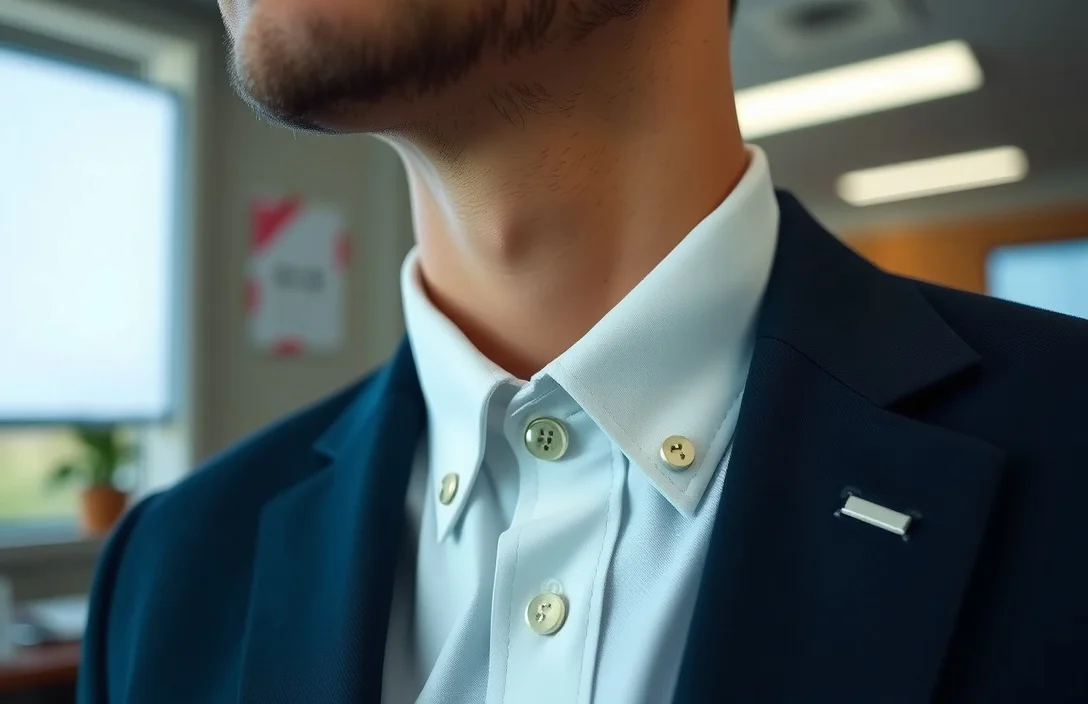
A collar pin sharpens a dress shirt, delivering a crisp line beneath the knot in minutes. It’s a small metal piece, but it reshapes the collar silhouette when used correctly. Align the collar, pass the pin through the holes, and keep the knot high and clean.
Collar pin usage is simple but unforgiving if you rush it. The device must pass through two small holes in the collar points, locking them in place. If the pin sits crooked or you force it, you risk puckering fabric or leaving visible holes. Start with the right shirt, then follow the steps below to nail the look without damage.
Key Takeaways
- What it does. Keeps collar points aligned for a clean line under the knot.
- Shirt compatibility. Works best on shirts with two small holes near the collar points.
- How it passes through. The pin goes through two holes to lock position.
- Fabric considerations. Softer fabrics reduce risk of holes; avoid delicate weaves.
- Maintenance. Wipe the pin after wear to prevent tarnish and skin irritation.
- Fit caution. Don’t force the pin if you feel resistance; reassess alignment first.
What is a Collar Pin and How It Works?
A collar pin is a small metal rod that threads through two punched holes near the ends of a shirt’s collar. When set correctly, it pulls the collar points together or apart as designed, depending on the style, and fixes the height of the knot line. The result is a sharper silhouette that stays in place as you move.
The pin creates a controlled gap between the collar points. This gap keeps the points from flaring outward and helps the knot settle over a neat plane. If the shirt is well ironed and the knot is properly tied, the result reads as intentional style rather than a fix. Symmetry matters – both collar points must sit evenly with the pin centered.
Choosing the Right Collar Pin and Shirt
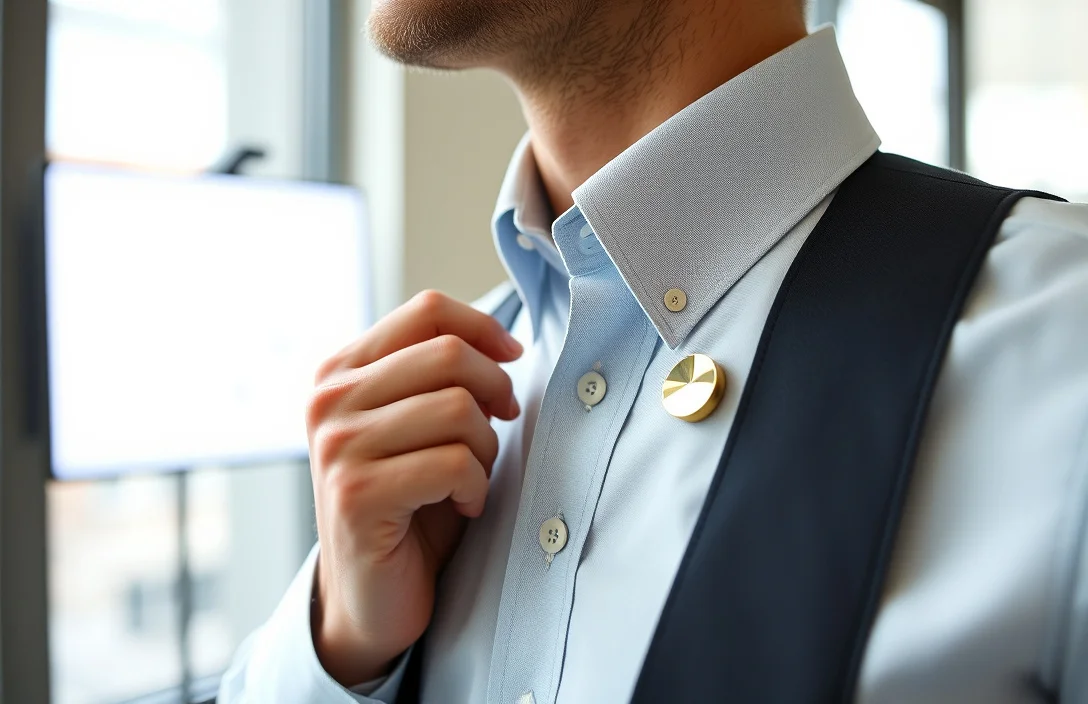
Start with a shirt that has two small holes near the collar points. If your shirt lacks those holes, a collar clip or bar may be a better fit. Materials range from stainless steel to brass and plated options; stainless is durable and corrosion resistant, brass offers warmth in tone, and plated variants are budget-friendly but may wear over time.
The collar’s fit matters more than you might expect. A narrow spread collar can look awkward with a pin that is too long or sits too high; a broader spread provides more room to perfect the knot line. The pin itself should be smooth and free of burrs to minimize fabric snagging. For most shirts, a standard pin length that spans the collar points without forcing fabric is ideal.
Table: Quick comparison of collar pin types
| Type | Pros | Cons | Best Use |
|---|---|---|---|
| Traditional through-hole pin | Classic look; holds points firmly | Can leave tiny holes if misaligned | Dress shirts with matching holes |
| Collar clip pin | Easy to adjust; less risk of fabric holes | Can slip if fabric is slick | Casual to business-casual shirts |
| Bar collar pin (collar bar) | Very secure; keeps knot line consistent | Requires compatible collar design | Formal shirts with high rotation of collars |
In choosing, pick based on your shirt’s collar design and your comfort level. If you have never used a collar pin before, start with a clip or bar variant to learn alignment before moving to a through-hole pin. Always test with the shirt on and knot in place to confirm the look before you leave the house.
How to Use a Collar Pin
Prepare by selecting a collar pin that matches your shirt’s collar design. Make sure the knot is already tied so you can see how the pin will interact with the fabric under the tie. If the collar points aren’t aligned, adjust before attempting to insert the pin. The goal is a straight, even line beneath the tie.
1) Button the shirt. A secure base makes the collar easier to position.
2) Tie the knot. A standard knot (four-in-hand or half-Windsor) gives a clean under-knot surface for the pin.
3) Center the collar. Align the two collar points so they sit level and facing forward.
4) Insert the pin. Pass the pin through the holes in the collar points, keeping it horizontal and flat against the fabric.
5) Secure the pin. If the design allows a locking mechanism, engage it and press gently to flatten any burrs.
6) Check alignment. The collar should look even, with the knot sitting squarely over the pin. Re-tighten if needed.
For best results, practice in front of a mirror. If you notice puckering or visible pin marks, remove the pin and reinsert with a gentler angle. The goal is a subtle enhancement, not a crowning feature.
In Practice: Scenarios and Real-World Use

In formal settings, a collar pin can elevate a mid-weight cotton or poplin shirt by creating a polished line that the eye follows to the knot. For example, at a wedding, a crisp white shirt with a spread collar combined with a slender pin can create a classic, newsroom-ready appearance. Begin with minimal polish and avoid excessive shine from the metal; opt for a matte or brushed finish if your suit and tie color are already bold.
In business environments, a collar pin pairs well with navy or charcoal suits and muted ties. For a conservative wardrobe, a subdued metal tone like brushed silver or gunmetal can blend with darker fabrics while still delivering a sharp silhouette. You’ll notice the pin pulls the collar points together enough to reduce collar gap when the knot sits high. That small tension makes the shirt read as more deliberate.
For casual workdays, use a collar pin minimally by selecting a shirt with a softer collar that won’t pull visibly. The pin acts as a subtle accessory rather than the centerpiece. For example, on a light blue shirt with a standard button-down collar, a restrained pin can add structure without looking overly formal.
Examples you can try:
- Formal wedding: white shirt, spread collar, slim black tie, brushed steel pin.
- Business meeting: light gray shirt, standard collar, navy knit tie, low-sheen pin.
- Casual office day: light pink shirt, button-down collar, no tie, small pin for a hint of polish.
Troubleshooting and Safety
The first sign something is wrong is puckering around the collar holes or visible pin marks. If you see fabric compression or the pin won’t pass cleanly through the holes, back out and re-align. For delicate fabrics like very lightweight cotton or blends, consider a clip or bar variant that exerts gentler pressure and reduces risk of wear.
- Pin sits proud of the fabric: re-check alignment and ensure the holes are centered over the collar seam; pressure can push the metal outward.
- Pin holes tear or stretch: stop using that shirt with the pin and use a sturdier fabric or a different collar design.
- Pin makes a click or rubs under the tie: the knot might be too close to the pin; raise the knot slightly or switch to a thinner tie.
- Skin irritation or metal allergy: choose nickel-free options and wipe the pin after wear to remove oils.
Note that collar pins can leave tiny friction marks over time if you wear them daily on the same shirt. Rotate shirts to distribute wear and inspect holes for signs of stretching. When in doubt, switch to a collar clip for more forgiving wear.
Care and Maintenance
Keep your collar pin clean and dry to avoid tarnish. Wipe it with a soft cloth after wearing and store it in a small case to protect the finish. If tarnish builds up, use a mild metal cleaner designed for the pin’s material; avoid harsh chemicals that could damage the surrounding fabric.
Periodically check the holes in the collar points. If you notice fraying or enlargement, discontinue use on that shirt. Clean or replace pins with burr-free edges to minimize snagging during insertion and removal. Honest upkeep ensures the pin remains a precise accessory rather than a nuisance.
Next Actions: Quick Buy Guide
Choose a collar pin based on shirt fabric, collar design, and your preferred finish. For daily wear, stainless steel pins offer durability and low maintenance. If you want a warmer tone for gold or brass accents, pick finishes that complement your belt buckle and watch. Start with a simple through-hole pin on a forgiving cotton shirt to learn alignment, then explore clips or bars if you want easier adjustments.
If you’re shopping today, look for: smooth edges, no burrs, and a pin length that spans the collar points without tugging fabric. A brushed finish reduces glare under bright office lights, and nickel-free materials help prevent skin irritation. With the right choice and careful practice, a collar pin becomes a quiet, reliable way to sharpen your shirt’s silhouette.
FAQ
How do I know if my shirt supports a collar pin?
A shirt supports a collar pin if it has two small holes or slits at the collar points designed to accept the pin. If those holes aren’t present, do not force a pin through the fabric; use a clip or bar instead.
Are collar pins safe for all fabrics?
Not for very delicate fabrics like silk or ultra-thin blends. Delicate weaves can develop holes or snagging from pin edges. Opt for a pin made with a smooth finish and use on sturdier fabrics like cotton or broadcloth.
Can a collar pin replace a tie clip?
A collar pin creates a different silhouette than a tie clip. The pin fixes the collar geometry, while a tie clip primarily secures the tie. They can be used together, but the effect is not the same.
How do I remove a collar pin safely?
Gently slide the pin away from the collar holes, keeping the fabric taut so you don’t snag. If the holes feel tight, loosen the knot slightly before removing to prevent tearing.
Where should I buy a collar pin and how much does it cost?
Buy from fashion accessories retailers or menswear shops. Expect prices to range from about $10 to $60 depending on material and finish; stainless steel options are typically on the lower end.
A practical verdict: a collar pin is a small yet powerful tool for a sharpened shirt silhouette, especially when paired with a well-cut shirt and a properly tied knot. Start with a simple through-hole pin on a forgiving cotton shirt, then decide if you want to explore clips or bars for easier use. Practice in front of a mirror, and you’ll add a quiet, refined detail to your everyday formalwear.