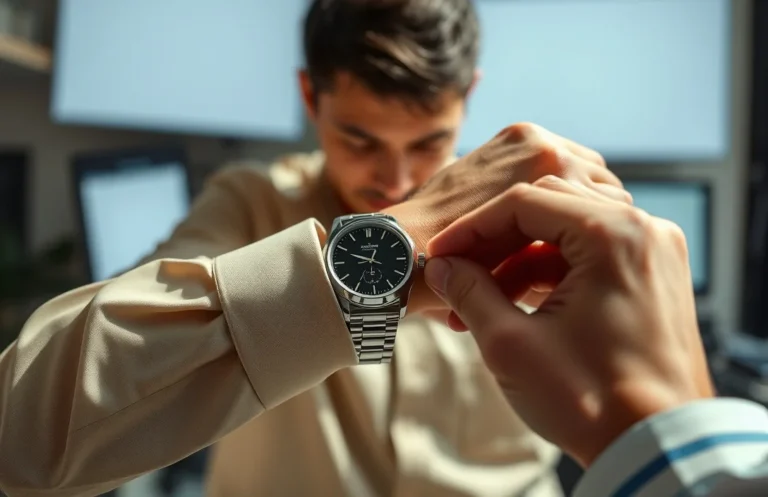

How To Remove Pin And Collar Links?
Removing pin and collar links lets you resize bracelets and watch bands without soldering or specialized equipment. With the right tools, you can safely remove one or two links in about 15 to 30 minutes. This guide shows exact steps, what to buy, and how to avoid damaging metal or losing small parts.
Pin and collar links can be removed using a dedicated pin-pusher, a small clamp, and needle-nose pliers. Push the pin out from the outer edge by about 1-2 mm, slide off the collar, and detach the link. Reassemble by inserting the pin and snapping the collar back in place.
Key Takeaways
- Tools required. Use a dedicated pin-pusher, a clamp or jeweler’s block, and needle-nose pliers to control pins and collars safely.
- Identify your link. Pins may be solid or hollow; removing from the correct side prevents bending or warping.
- Work surface matters. Protect the bracelet and table with a soft mat; small parts can bounce and get lost.
- Follow a sequence. Drive the pin out, remove the collar, detach the link, and reassemble with pin insertion.
- Know when to stop. If the band is valuable or delicate, call a jeweler; professional sizing avoids damage.
- Practice with a spare piece. If you have a second, less valuable bracelet, practice there first to perfect technique.
====================================================================
What pin and collar links are

Pin and collar links are a staple in metal bracelets and watch bands. A pin passes through holes in two adjacent links, while a collar sits around the pin to hold it in place. Some designs use hollow pins that are designed to be tapped out, others rely on solid pins that require precise tapping and alignment. Knowing which style you have saves you from needless effort and damaged parts.
In practice, the direction you push the pin matters. You usually push from the edge where the pin is most exposed, and you keep the collar aligned with the hole to avoid misalignment or bending. If you force from the wrong side or apply uneven pressure, you risk warping the link or bending the band. For delicate bracelets, take extra care and use a proper jeweler’s block to keep everything square.
For example, watch bands often use a small tool set designed specifically for pins and collars. A plastic or brass pusher helps keep the metal from scarring the links. In other designs, you may encounter screw links or different retention methods. Those require distinct tools and steps. Recognizing the exact mechanism prevents surprise jams and frustration when you’re in the middle of a sizing session.
====================================================================
Tools and setup you actually need
Gather a clean, well-lit workspace and a soft mat to protect the bracelet and surface. You’ll want a stable clamp or jeweler’s block to hold the bracelet steady, a pin-pusher or push pin tool, a small hammer, and fine needle-nose pliers. A loupe or magnifying glass helps you see the pin hole clearly, especially on small links. If you’re dealing with a watch band, you may also need a watch-band holder to keep the band flat and aligned.
Two key setup tips: keep all small parts in a tray or magnetic pad, and verify you’re aligned with the correct link and side before pushing. If the pin doesn’t move with light taps, don’t force it. A little lubricant or a drop of light machine oil on the pin area can help, but avoid getting oil on leather bands or non-metal components. Work slowly, with multiple short taps rather than long pushes.
Tools you’ll likely use most:
- Pin-pusher or push pin tool
- Jewelry clamp or small jeweler’s block
- Fine needle-nose pliers
- Small flat-head or precision screwdriver (for stubborn caps)
- Microscope or magnifier (optional but helpful)
- Soft cloth or microfiber for cleaning
- Replacement pins and collars (if the design uses fixed pieces)
Quick tool options:
- Pin-pusher set with interchangeable tips
- Precision jewelry hammer
- Watch-band holder with soft jaws
- Fine-tipped lubricants designed for metal joints
- 1. Secure the bracelet. Place the band in a jeweler’s block or clamp with the target link facing up and centered. Ensure the clamp’s jaws won’t scratch the surface. A steady hold prevents the pin from slipping.
- 2. Align the pin-pusher. Position the tool on the outer edge of the pin you plan to move. The tip should sit directly in the center of the pin’s edge hole. This alignment minimizes sideways pressure that can bend the link.
- 3. Apply controlled pressure. Lightly tap the pin with the hammer to start it moving. Use short taps, less than a quarter of a turn’s worth of movement each time. Check frequently to ensure the pin remains aligned.
- 4. Drive the pin out. Continue with measured taps until the pin protrudes enough to grasp with pliers. Keep the pin square to the surface to avoid bending.
- 5. Remove the collar (if present). If the design includes a separate collar, slide it away from the pin once it’s loose. Do not force – if the collar is stubborn, re-check alignment and gently tap again.
- 6. Detach the link. With the pin partially removed, carefully lift the link away. Use the needle-nose pliers to hold the adjacent link steady while you separate the pair.
- 7. Rejoin the remaining links. To shorten the band, insert the pin back through the remaining links from the correct side. Refit the collar, if applicable, and tap the pin flush so it sits securely.
- 8. Test the fit. Put the bracelet on or compare it to a flexible ruler. The band should feel snug but not too tight, with a secure pin catch.
- Forcing the pin when the tool isn’t aligned. This damages both the pin and the link.
- Using metal-to-metal force on a leather or fabric band. Leather and fabric components aren’t designed to take pin pressure.
- Losing small parts in the work area. Always lay out a tray and keep track of pins and collars.
- Clean and dry all parts before insertion to minimize catching.
- Use light, even pressure when seating the pin; avoid sudden taps that could bend the link.
- Gather the right tools before you begin and inspect the bracelet for any inscriptions or unique features that might require special care.
- Practice on a spare piece first if you have one; it builds confidence and reduces the risk of damage.
- Plan to recheck fit after a short wear period; sometimes a tiny adjustment helps the most.
| Spare pins and collars compatible with your brand or model | Tool | Primary use | Typical price |
|---|---|---|---|
| – | – | – | |
| Pin-pusher set | Drive pins out of links | $10-$25 | |
| Jewelry clamp / jeweler’s block | Hold bracelet steady | $15-$40 | |
| Needle-nose pliers | Grip and remove collars | $8-$20 | |
| Watch-band holder | Stabilize for removal | $12-$35 | |
| Replacement pins/collars | Rebuild after removal | $5-$15 per pack |
If you’re new to this, start with a basic kit and upgrade only if you encounter stubborn pins. For delicate or expensive pieces, consider a pro setup from the start to minimize risk.
====================================================================
Step-by-step removal (the straight path)

Preparation matters. Clean hands, a stable surface, and good lighting set you up for success. Start by identifying which side of the bracelet has the exit pin on the outer edge. After that, position the band in the clamp so the target pin hole is accessible and vertical to the push.
For a single-link removal, you’ll typically repeat steps 3-6 for the target edge, then reassemble and test. If you need to remove two or three links, perform the process on each subsequent pair, verifying the overall length after each removal. Take breaks if you’re working with a tight margin – the goal is accuracy, not speed.
In practice, take a photo before disassembly. It makes reassembling easier if you forget the exact order of links. A small, organized tray for the removed pieces reduces the risk of losing a pin or collar in the process.
====================================================================
Troubleshooting common issues
Bracelets and watch bands can resist pin movement for a few reasons. The pin may be peened, the collar could be bent, or the hole may be slightly out of alignment after years of wear. Start by cleaning the joint with a soft cloth to remove grime that can impede movement. If the pin won’t budge, double-check your alignment and apply a tiny amount of lubricant only to the pin area.
If the pin is stubborn, stop and re-check the tool’s fit. A poorly seated push tool can slip and scratch the link. Never hammer on a pin that isn’t properly aligned. If the collar is binding, you may need to gently turn the bracelet so the collar can clear the edge. In rare cases, the pin or collar may be seized, and forcing it can damage the link or strip the hole.
Common pitfalls to avoid:

In practice, if a pin refuses to move after multiple careful attempts, consider professional sizing. A jeweler has specialized equipment to minimize damage and preserve the band’s value.
====================================================================
Reassembly and sizing specifics
Reassembly hinges on accuracy. After removing the desired number of links, ensure the remaining links align perfectly and the band sits flat. When you insert the pin, start on the outer edge and push toward the center. If a collar is part of the design, snap it into place once the pin is through. A flush, snug pin is essential for long-term wear.
A quick sizing check after reassembly: fasten the band around your wrist with light pressure. You should be able to slide a finger between the band and skin, but not with substantial wobble. If the band feels loose, remove or add links in small increments and re-check the fit. For a high-value bracelet, consider a professional re-sizing to maintain the piece’s integrity and value.
Two practical tips for reassembly:
====================================================================
Care and maintenance after resizing
After sizing, inspect each pin for snugness. If you notice any play, re-check the pin alignment and collar seating. Regular cleaning of the bracelet helps prevent grime from binding into the joints, which can make future adjustments harder. Store spare pins and collars in a small container to prevent loss.
For ongoing maintenance, wipe the band with a soft cloth after wear to remove oils and skin salts. If you wear the piece daily, plan for annual checks with a jeweler to ensure the pins and collars still hold securely and that there’s no wear extending along the link holes.
====================================================================
When to seek a professional
If the bracelet is expensive, antique, or has highly decorative collars, professional resizing is the safer route. A pro can resize without marring surfaces or over-stressing the links. If you’ve already tried and the pin still refuses to move, don’t push further; the risk of cracking or bending the metal climbs quickly. A quick consult can save you money in the long run.
In practice, expect a pro to quote per-link pricing or a small flat fee for a sizing job plus any required replacement parts. If you’re unsure about the piece’s value or craftsmanship, professional handling is your best bet.
====================================================================
Next actions
====================================================================
FAQ
How much does a jeweler typically charge to remove or add a link?
A typical rate is around $5-$20 per link, plus a small setup or inspection fee if the piece is fragile. Expect higher pricing for antique or highly decorative bracelets. If you’re removing multiple links, some shops offer a discounted per-link rate. Always call ahead to confirm pricing and policy.
How long does it take to resize a bracelet at home?
Sizing one link usually takes 15-30 minutes for a basic hollow-pin design, assuming you have the right tool set and a steady work surface. More complex cases or very tight tolerances can push this to 45 minutes or longer. Don’t rush; precision matters.
Is it safe to resize a delicate or expensive bracelet myself?
Yes, but only if you have the right tools and a steady setup. Acrylic or plastic temporarily used on the work surface should not contact metal parts. For intricate or historic pieces, professional resizing minimizes risk of damage and preserves value. If in doubt, skip DIY and consult a pro.
Can all bracelet links be removed with pin and collar tools?
Most pin and collar designs can be adjusted with the proper pin-pusher and clamp. Some bracelets use screws or alternating fasteners that require different tools. If you see a slotted head on the link or a screw-like appearance, stop and switch to the appropriate tool or seek professional help.
What should I do if the pin won’t move after many attempts?
Stop and re-check alignment. A stubborn pin may be peened or seized. Avoid excessive force; use a brighter light, magnification, and possibly a tiny drop of lubricant on the pin area. If it still won’t move, seek professional sizing to prevent damage.
====================================================================
Practical verdict: You can resize most pin and collar bracelets at home with the right tools, a steady setup, and careful technique. Start with a spare piece or a less valuable band to practice. If you’re working on a high-value or antique piece, or the pin refuses to budge after careful attempts, a pro will save you time and protect the piece.