

How To Wear A Collar Bar Pin? Essential Tips And Techniques
Can You Wear a Collar Bar Pin?
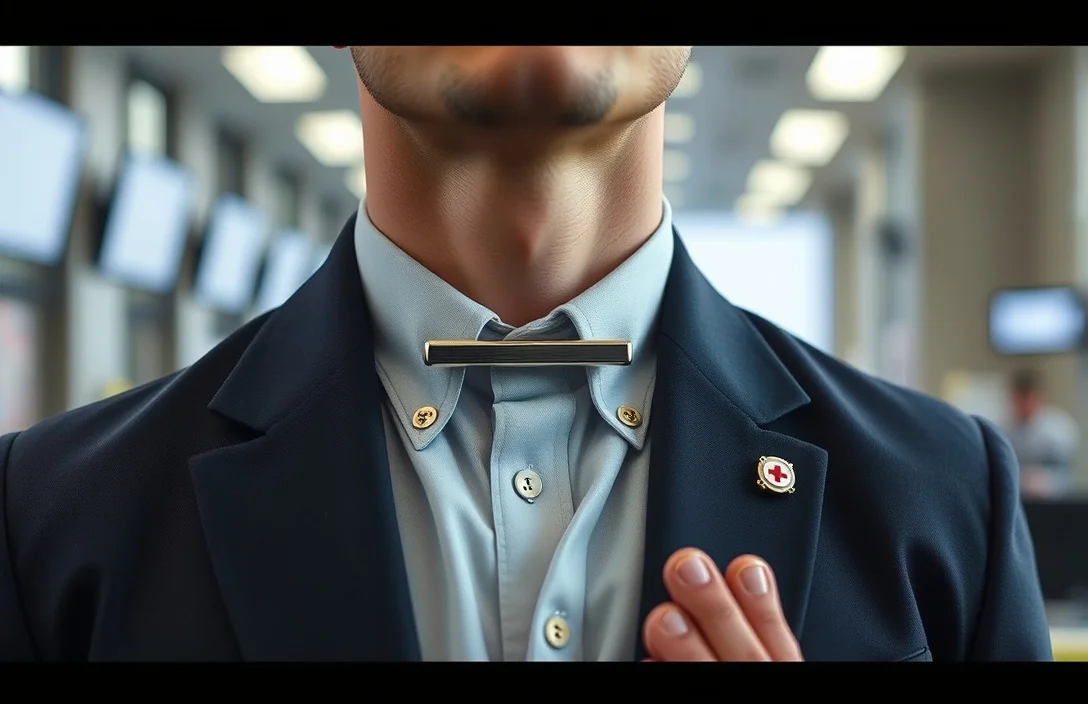
A collar bar pin adds a subtle, clean line between your collar points. To wear it well, match your shirt spread, choose the correct bar length, and place the pin about 1-2 cm below the collar edge. When set up correctly, it gives a refined look that stays under the radar.
Placement matters for balance and comfort. Use a pin that spans the distance between the collar points, not a loose bar that shifts. Position the face flat against the shirt, then align the knot to sit neatly over the bar. If the bar feels tight or pulls at the collar corners, the length or type is wrong.
Quick guidelines
- Optimal placement: pin sits 1-2 cm below the collar edge for a balanced line.
- Correct length: bar 2.5-3.0 cm long to span standard collar points.
- Dress-code fit: best with classic business attire, not casual shirts.
- Tie interaction: works with standard knots; avoid bulky knots that push the bar out.
- Secure placement: check in a mirror for a flat sit and no twisting.
Choosing the Right Collar Bar Pin
Choose a bar pin that matches your shirt spread and tie knot depth. It should lie flat on the fabric, with the bar anchored under the tie so visibility remains clean. If the bar sits high or rocks when you breathe, you’ve got a misfit that will draw attention for the wrong reasons.
Material matters. Stainless steel is durable and corrosion resistant; brass and bronze offer a warmer, dressier tone. For a low-contrast look, pick a satin or brushed finish that blends with white or light blue shirts. A mirror finish catches light; it works with dark suits but can glare in bright daylight or fluorescent office lighting. Thickness should stay under 2 mm for most shirts to avoid bulk between the collar points.
For most men, a fixed bar pin works best with standard dress shirts, because it stays put once you set it. Clip-on styles are easier to adjust on the fly but can slip on thin fabrics or wide collar spreads. Magnetic variants exist, but they require cautious pairing with other metal accessories and can interfere with electronic devices.
- Material choice matters for longevity and tone.
- Fit should not rifle or twist when you move.
- Start with a pressed, well-fitted shirt.
- Verify collar spread matches the bar length.
- Choose a knot depth that won’t push the bar off-center.
- Step 1 requires a clean shirt and a calm stance.
- Step 2 ensures you don’t force a poor length into place.
- Step 3 keeps the bar hidden yet secure.
- Step 4 positions the bar under the tie but on the outer surface of the collar.
- Step 5 keeps the knot true to the collar.
- Step 6 validates the balance from multiple angles.
- Point collars reward a centered, shorter bar.
- Wide spreads benefit from a longer bar or a clip for tolerance.
- Fabric stiffness changes visibility and stability.
- Misalignment causes visible gaps.
- Over-tightening can wrinkle fabric and cause discomfort.
- Inconsistent visibility means the bar length or knot depth is off.
- Navy suit with a steel bar reads as classic and controlled.
- Charcoal suit with a brass bar adds warmth and depth.
- Light blue shirt with a steel bar keeps the look bright and clean.
- Regular cleaning preserves finish and reduces skin irritation.
- Inspect the pin’s fit a few times per month.
- Store in a soft pouch to prevent scratches.
| Fixed bars win for formal settings; clips win for casual wear. | Type | Pros | Cons | Best For |
|---|---|---|---|---|
| – | – | – | – | |
| Fixed bar pin | Locks in place; clean line | Can be hard to adjust; needs correct length | Traditional business dress | |
| Clip-on collar bar | Quick to wear; adjustable | May slip on thin fabrics | Casual or mixed fabrics | |
| Magnetic collar bar | Easy to attach; no holes in fabric | Can interfere with metal objects | Quick fixes or sensitive wearers |
In practice, stainless steel with a mid-bright finish works well for daily office wear. With a navy suit or charcoal, a slightly darker pin minimizes contrast and reads as intentional. For white shirts, steel or brushed brass adds a subtle gleam that signals polish rather than novelty.
Prerequisites for a Clean Wear
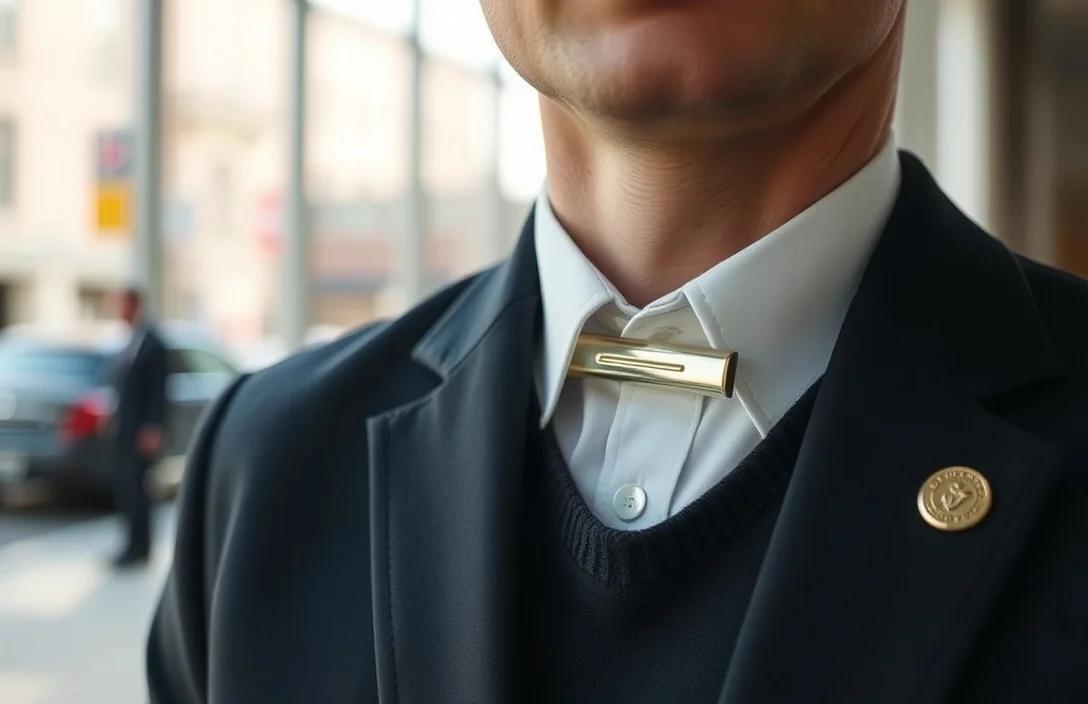
Start with a crisp, well-pressed shirt; a tightly stitched collar helps prevent slipping. If the collar edge frays easily, consider a preventive seam seal or a reinforced collar band to prevent unraveling around the pin.
Check the collar spread. Standard dress shirts run 3.0 to 4.5 cm between points, though brands vary. For unusually wide spreads, use a longer bar (3.0-3.5 cm) to bridge the gap and keep the pin centered. For narrow spreads, a shorter bar risks edge contact with the knot, so measure before buying.
Tie knot depth matters. A deeper knot can push the bar out of alignment. A medium or four-in-hand knot sits well with a standard bar. If you prefer a larger knot, choose a longer pin and test fit with the knot loosened while you stand upright.
Example: a classic white shirt with a 3.8 cm spread and a standard four-in-hand knot typically needs a 2.7-3.0 cm bar. If you wear a bulky wool tie in winter, use a slightly longer bar to accommodate the knot’s projection. Sizing up by 0.5 cm is often enough to keep the bar hidden behind the knot while preserving a clean silhouette.
How to Put It On
1) Align the collar points so they sit evenly. Start with the collar flat and the shirt buttoned.
2) Choose the bar length that spans the points without contacting the fabric edge.
3) Slide the pin through the fabric at the back of the collar, from outside to inside, with the decorative face facing outward.
4) Pivot the bar so the head sits behind the knot and lies flush against the fabric.
5) Tighten the knot to ensure the bar remains anchored by the tie fabric but not pressed against the skin.
6) Check the line in a mirror from multiple angles and adjust as needed.
If the bar shows through the knot, you’ve used too long a bar or the knot sits high. Reposition by removing, shortening, and re-inserting. Start slow with the first wear to learn how your shirt behaves with the bar.
Use a mirror at arm’s length to confirm a straight vertical line from the knot down to the shirt, with the bar hidden behind the knot and the top of the tie resting lightly on the bar.
Styles and Fit by Collar Type

Point collars with a slim spread reward a centered, shorter bar. Wide spreads or cutaway collars invite misalignment, so you may prefer a longer bar or a clip for tolerance. A barrel or horn button on the shirt front can influence how visible the bar is under the knot. If you sit for long hours, choose a slender bar to avoid pressing into your skin. For braces or a formal waistcoat, a very subtle bar finishes the look without shouting.
Test two shirt types with the same bar: standard cotton poplin and twill or broadcloth. The bar’s visibility and alignment improve with stiffer fabrics. If you wear very stiff fabric, you can use a shorter bar and still achieve a clean line. Softer fabrics may require a longer bar to maintain balance.
Example: white poplin with a 3.2 cm spread can look best with a 2.6 cm bar, while a broadcloth shirt with a 4.0 cm spread may pair better with a 3.0 cm bar. Measure your spread and test-fit with a sample knot to confirm.
Troubleshooting and Common Mistakes
Common missteps include a bar that’s too long, pressing into the knot, or a bar that’s too short and leaves a gap between the points. If the pin shifts during the day, your bar length or type might be wrong for your shirt. A bar that sits high or crooked usually means the knot depth or collar spread isn’t aligned with the bar.
If the bar is visible above the knot, the bar is too long or the collar points are too close. Reassess the length: move to a shorter bar or adjust the knot to reduce its footprint. If the bar pulls at the collar, the fabric is stressed or the pin is too tight. Switch to a more flexible or longer bar and reinsert.
When the knot sits too high, the bar tilts away from the neck. Consider a different knot or a shorter bar. If the fabric shows wear around the pin, switch to a pin with a softer head or add a protective backing to reduce friction.
Always verify with a mirror after you sit down and stand up. If you need to adjust during the day, do it discreetly and recheck the line afterward.
Real-World Wear: Outfits and
Pair a collar bar pin with a navy or charcoal suit for a traditional, sharp look. In business casual settings, a crisp white shirt with a light gray or blue suit presents a polished balance, while a warmer brass tone adds personality without tipping into flashy. On casual Fridays, wear a tidy pin with a button-down collar and a knit tie for a restrained, refined look.
Let the bar whisper. It should add structure to the collar line without competing with the knot or fabric texture. If you wear a patterned shirt, keep the pin understated; choose a finish that blends with the pattern’s tones. For skin tone, brushed or muted finishes read most naturally across complexions.
In formal settings, pair a white shirt, a charcoal suit, and a silver-brushed bar for a quiet lift. You’ll know you’ve achieved the right balance when the tie knot sits cleanly, the bar disappears behind the knot, and you feel comfortable with the collar’s line.
Care, Maintenance, and Longevity
Clean the bar with a soft cloth after wear to remove oils and sweat. If you notice tarnish on brass or a dull finish on stainless steel, use a gentle metal cleaner suitable for the material and follow product instructions. Store the bar in a protective pouch to prevent scratches if you carry it in a pocket or tote.
Check the joint and any moving parts every few wears. A loose pin can shift while you move, compromising the line and snagging fabric. If you plan heavy travel or long workdays, consider a spare bar of the same length so you can swap in without trial and error. Avoid heavy force or bending the bar; gentle precautions preserve alignment.
Next actions: measure your typical shirt spread, identify a bar length that spans between 2.5 and 3.0 cm, and test with two knot styles you wear most. Once you’re confident with one setup, repeat the process across other shirts and tones.
A practical verdict: start with a stainless steel fixed bar pin around 2.7 cm for most standard spreads, and adjust only when you notice the bar shifting or the knot sitting oddly. The goal is a clean, quiet line that elevates your look without calling attention to the pin itself.
FAQ
How do I know if my collar bar pin fits my shirt spread?
A collar bar pin fits when the bar spans the distance between collar points without crowding them. Use a 2.5-3.0 cm bar for a standard 3.0-4.5 cm spread, and adjust based on how the knot sits over the bar. If the bar shows or moves, choose a longer or shorter pin accordingly.
Can I wear a collar bar pin with a clip-on or casual shirt?
Yes, but the look changes. A clip-on bar is more forgiving on casual shirts and thinner fabrics; a fixed bar works best with traditional dress shirts. For casual wear, keep finishes muted and avoid highly polished metals that draw attention.
How do I avoid the bar poking through my knot?
Ensure the knot depth is appropriate for your bar length. If the knot sits over the bar, shorten the bar or re-tie with a smaller knot. Test and recheck in a mirror after seating the knot.
What if the bar pin is uncomfortable on my neck?
Choose a bar with a slimmer head or softer finish, and verify the alignment of the pin points. If discomfort persists, switch to a different style, such as a clip-on or magnetic model, and test again.
Is maintenance really worth it for a collar bar pin?
Yes. Regular cleaning, proper storage, and occasional checks prevent tarnish, wear, and misalignment. Proper care keeps the pin discreet and effective for years.