
How To Use Collar Pins? A Complete Practical Checklist
how to use them

Collar pins lock the collar points in place, delivering a crisp, neat line under a tie. You’ll need a shirt with compatible collar points, a pin plus backing, and a steady hand.
Collar pins pass through both collar points and, with a backing, hold the points parallel. For most dress shirts, the pin should span the distance between the points, roughly 2 to 3 cm apart. A proper setup makes the collar lie flat and prevents the points from spreading as you move. Treat it as a deliberate, subtle accessory; use it with intention and care.
Key Takeaways
- Choose the right pin: spans 2 to 3 cm between collar points.
- Line up the points: ensure the collar points sit level before inserting the pin.
- Insert through both layers: push the pin through both collar layers until the cap sits flush.
- Secure the back: use a backing that fits snugly to prevent wobble.
- Check the finish: the collar should lie flat with no gaps and no visible pin beneath the tie.
What collar pins are
Collar pins keep the collar points in a fixed position. They come in a few varieties, but the core idea is the same: pass a pin through both points and secure it behind the outer point. This creates a clean, vertical line that keeps the shirt neat under a suit or sport coat. A pin that’s too long or too short will look awkward, so matching length to your collar spread matters.
Two main forms dominate: pass-through pins and clip-back pins. Pass-through pins require a precise thread through both collar points, while clip-back variations use a backing or cap that snaps in place from the back of the collar. Either style can deliver a sharp result when used with a properly fitted shirt and a steady hand.
For a white dress shirt and navy suit, a pass-through pin sized to fit the 2 to 3 cm gap between points yields a precise line. The same approach works with textured fabrics, though you’ll want to verify the collar points aren’t too thick for the pin.
Types of collar pins

Pass-through pins sit flush and require clean holes through both collar planes. Clip-back pins use a tiny cap or screw that locks the pin behind the collar point, gentler on delicate fabrics. Some models pair a decorative top with a secure back, giving you a small piece of jewelry that also holds the collar in place.
Two practical forms exist for most wardrobes:
- Pass-through pins: a straight rod that threads through both collar points, secured by a small back on the inner side.
- Clip-back pins: a backing piece clips onto the inner edge, holding the pin in place without full threading.
Compare these options:
| Type | How it works | Best For | Pros | Cons |
|---|---|---|---|---|
| Pass-through pin | Threads through both collar points, backed on the inside | Traditional formal shirts | Clean line; reliable if holes are clean | Requires precise hole alignment; can irritate if fabric is stiff |
| Clip-back pin | Backing clips behind the inner collar without full threading | Delicate fabrics; easier fit | Gentler on fabric; quick to adjust | Might loosen under heavy movement; less traditional look |
| Decorative collar pin | Small ornament on top with a backing or clasp | Fashion-forward outfits | Adds personality; versatile finishes | May read more jewelry than utility |
| Collar bar (alternative) | Slim bar across the collar with ends anchored | Very formal or minimalist looks | Strong hold; minimal bulk | Requires compatible shirt styling |
When choosing a type, consider your shirt fabric, collar spread, and the event’s formality. For thicker fabrics or wider spreads, pass-through pins with a firm backing usually perform best. For lighter fabrics or casual outfits, a clip-back or decorative option can be a better fit.
When to use collar pins
Use collar pins for outfits that demand a sharp, controlled line under a tie or tailored jacket. They shine in formal settings – weddings, black-tie events, or important business meetings – where a clean collar line signals polish. They aren’t universal: if your shirt lacks sturdy collar construction, or you’re moving actively (sports, concerts), a collar pin can become a burden or wear the fabric.
In practice, collar pins pair with classic dress shirts in solid colors or subtle textures. The pin draws attention to the knot and helps keep the collar points from unfolding, especially on long days in high-stakes environments. Test in a boardroom meeting or a long dinner. If the pin causes fatigue or the backing slips, remove it and rely on a different approach.
In a formal wedding reception, a navy suit, white shirt, and a simple silver pin can yield a polished silhouette. On a casual workday, the same accessory may feel out of place unless the shirt and suit are coordinated. Match the formality to your outfit, and practice how the pin feels with head and shoulder movement.
How to choose the right collar pin
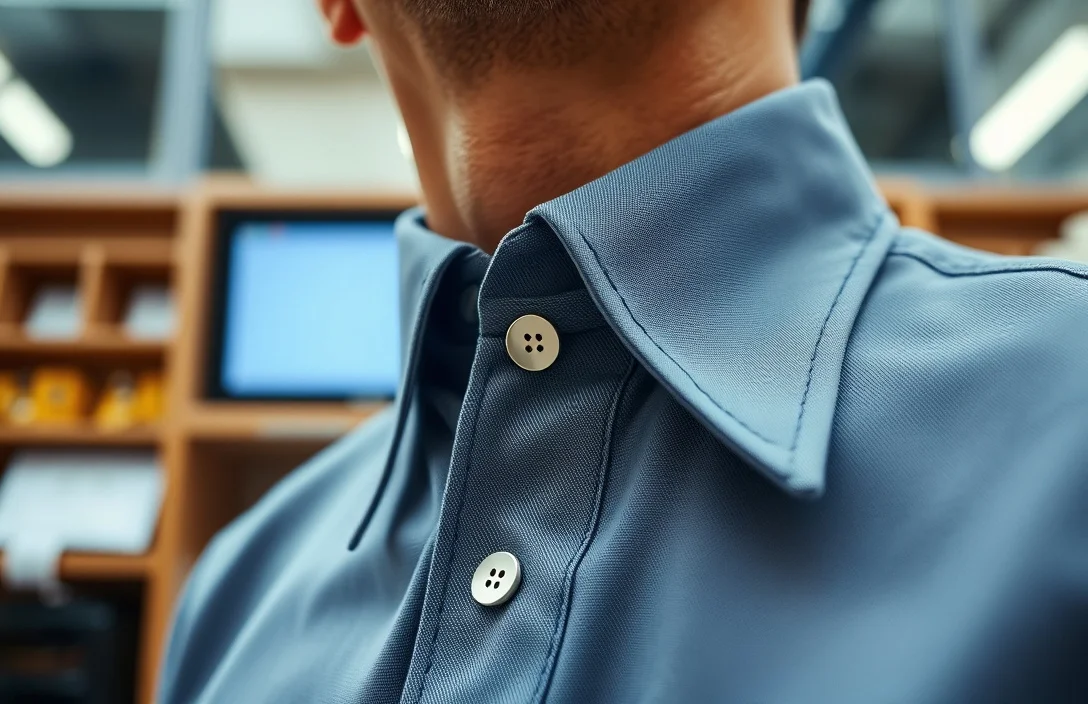
Check your collar points: are they tight and clean, or more spread? A narrow spread usually benefits from a shorter pin; a broader spread can take a longer pin for stability. Then assess the collar fabric. Heavier fabrics tolerate pins better; delicate fabrics can snag or show a pinback if the backing isn’t smooth.
Size and fit matter more than you might think. The pin should span the distance between collar points without pinching fabric. If the pin protrudes beyond the outer collar, it will snag or look awkward. If there’s any risk of tearing or tugging, choose a clip-back pin or skip the pin for that shirt.
Practical checklist:
- Match length to collar spread (roughly 2 to 3 cm for many dress shirts).
- Check the backing for a snug, secure fit.
- Confirm the pin diameter is thin enough to pass through two layers of fabric without creating holes.
- Ensure the top sits flush against the outer collar and doesn’t poke through to the tie.
- Favor a low-profile finish for formal events to avoid drawing attention.
Style-wise, a minimal metal pin in silver or gunmetal works with almost any suit, while a jewel-toned pin can become a focal point when the rest of the outfit stays muted. Balance utility and style so it feels like a natural accessory, not a gimmick.
How to put a collar pin on
Prerequisites are simple: a shirt with compatible collar points, a pin, and the appropriate backing. Have good lighting and a mirror to confirm alignment as you go. Start with clean hands and a clean shirt to minimize snagging and ensure the backing seats evenly.
Position the collar so both points are clearly visible and level. If one point sits higher, adjust the shirt or collar to bring both to the same plane. The aim is a straight line from one point to the other, with no tilt that would distort the knot or silhouette.
Step 1: Choose the pin that matches your collar spread. A pin that spans the space efficiently reduces shifting. Step 2: Place the pin at the top edge of the outer collar point, aligning with the natural seam so the pin sits flat. Step 3: Thread the pin through both collar points in a straight line. Don’t angle it; if it resists, back off and reapproach. Step 4: Attach the backing on the inner side, pressing until it seats firmly. Step 5: Check alignment again in the mirror. The points should sit parallel and the line should be straight. Step 6: Adjust as needed and test with a slight head movement to ensure nothing shifts.
With a snug backing, the pin can hold the collar for a full day of meetings. If the backing feels loose or the pin moves, remove it and reinsert with a firmer seating. The result should be a clean, narrow line that enhances the knot rather than competing with it.
Troubleshooting and tips
- If the pin won’t pass cleanly through both points, check for fabric thickness or lint. Clean the edges, reinsert, and apply light pressure only as needed.
- If the backing slips, switch to a tighter-fitting backing or a complementing clip.
- If the collar points spread later in the day, reposition and reseat the backing. A readjustment can restore the crisp line.
Maintenance and troubleshooting
Collar pins aren’t high-maintenance, but they require care to stay sharp. Wipe pins after wear to remove oils, then dry with a soft cloth to prevent tarnish. If you notice micro-scratches, a gentle buff can restore the finish. Store pins in a small jewelry box or fabric pouch to avoid nicks and scratches.
Problems usually come down to fit or fabric interaction. A pin too long causes bunching; too short may slip. If you notice either, swap for a length that better matches the spread. Backings can loosen with repeated use; replace with a snug-fitting backing or a different style that stays secure without digging into the fabric.
If looseness repeats, consider a collar bar as an alternative. It holds across the collar without threading through fabric, reducing wear on delicate materials. For very stiff collars, either pin type can work, but watch for distortion at the points.
Alternatives to collar pins
Collar stays and collar bars offer a crisp collar without the bulk of a pin. Stays keep the points upright and maintain a sharp line by delaying collar collapse. Bars span the collar band with a low profile for a stable look around the knot. Choose based on fabric, formality, and daily movement.
Care and storage
After wear, wipe pins to remove oils and fingerprints. Dry thoroughly before storage to prevent tarnish. Store in a dedicated small box or pouch, separate from other jewelry to avoid scratches. Travel in a small jewelry roll or sectioned pouch to protect both pin and backing.
Regularly inspect backs for wear. If a backing shows wear or burrs form, replace it to avoid fabric damage during next use. Routine checks keep the look sharp and prevent unexpected loosening at important events.
FAQ
How do I know if my collar points are compatible with collar pins?
Collar pins work best when points are cleanly cut and evenly spaced, with a spread around 2 to 3 cm. If the points are unusually far apart or the fabric is too thick, a pin may not sit flush. In that case, a collar bar or stays may be a better fit.
Do collar pins damage shirts?
Used correctly, collar pins do not damage the fabric. Problems occur if you force a pin through thick fabric, or if the backing is too tight and causes friction. Always insert and remove gently and test on a less visible area if you’re unsure.
How long should I wear a collar pin?
Wear time depends on comfort and movement. For most day-long events, a well-fitted pin stays in place without adjustment. If you notice wobble or pulling, remove the pin and reinsert with a snug backing.
What about shirts with non-traditional collars?
Non-traditional collars may not support a pin well. If you have a pointed or tall collar, verify the gap and fabric thickness first. When in doubt, test on a backup shirt or opt for collar stays or bars for a cleaner line.
Is there a risk with wearing collar pins in hot or humid weather?
Heat and humidity can affect fabric pliability, increasing the chance of pin movement. If you notice shifting in hot settings, remove the pin during travel or high activity and reinsert once the environment is calmer.
Closing verdict: Collar pins add a precise, refined edge to the right shirt and outfit. If you want a clean collar line under a tie and a controlled silhouette all day, start with a pass-through pin sized for a 2 to 3 cm spread, ensure a snug backing, and practice the minimalist insert-and-seat motion. With care, you’ll deploy this accessory without fuss and enjoy a consistently sharp look.