How To Date Us Military Collar Pins?
Dating US military collar pins isn’t guesswork. You determine era and authenticity from maker marks, hallmarks, era-specific designs, and the pin’s backing. Start with the smallest clues – the mark and backing – then confirm with construction details and period typography to place a pin within a concrete decade.
Collar pin dating hinges on maker marks, hallmarks, and era-typical design cues. Match hallmarks to known manufacturers, identify two-piece or screw-back constructions, and cross-reference period styles to limit the date to a few decades with real confidence.
Key Takeaways
- Know the hallmark. A hallmark ties the maker to a period; for example, the Snowflake hallmark from American Metal Craft Co. signals mid-20th century production.
- Inspect the back. Two-piece or screw-back fittings tend to precede newer, simpler lock clasps.
- Study the design. Eagle and artillery motifs align with WW II and earlier uniforms; post-1950s pins shift in style.
- Assess the material. Brass, copper, silver, and enamel each carry different age signals and value ranges.
- Cross-check values. Era-specific ranges help triangulate date: 1940s pins often fetch $10-$120 in good condition, while older pieces can reach higher figures when pristine.
What counts as a collar pin

Collar pins are small metal insignia worn on the collar, usually with a fixed back and a clasp that keeps the pin aligned with the lapel. They come in brass, bronze, silver, and enamel among them, and in several back styles, from simple posts to screw-backs. The dating clues live in three places: the hallmark or maker mark, the back hardware, and the design language.
A pin might bear a distinctive hallmarked mark barely visible under magnification. A closer look often reveals the maker’s identity and the production window. The silhouette, the level of relief, and the exact motif (an eagle, a cannon, a branch of service) also tell you which era you’re likely dealing with. Photo-document each feature and compare it to period catalogs or verified dealer listings.
Two strong prerequisites for dating are having a good magnifier or strong phone zoom and a clean, well-lit workspace. You don’t want dirt and grime to spoof or obscure a critical hallmark. Develop a standard photo set: front, back, hallmark close-ups, and any maker stamps. Consistency in imagery makes cross-checking periods much faster.
Dating clues you can’t ignore
Follow a simple, repeatable process. Start with the hallmark, then confirm with the maker’s identity, the back type, and the design era. Finally, cross-check with known production windows and pricing signals. This isn’t guesswork; it’s a structured dating workflow that minimizes misreads.
- Start with the hallmark. Read the maker’s mark under good light; note any letters, logos, or near-unreadable details. A Snowflake mark on a brass piece, for example, strongly points to a mid-20th century manufacture.
- Identify the maker. Cross-reference the mark with authoritative catalogs or dealer records to narrow the production timeline to a handful of decades.
- Examine the back. Screw-backs and two-piece clasps usually indicate older manufacturing practices; modern push-on backs often appear after the 1950s.
- Compare the design language. An enamel eagle motif with bold relief tends to be WWII or earlier; sleeker, minimalistic designs point to later periods.
- Consider the material and finish. Silver and enamel often signal mid-to-late 20th century, while brass or bronze dominates earlier pieces, especially in common service pins.
- Check consistency. If the hallmark and back type clash with the design era, dig deeper or seek expert help to prevent dating errors.
In practice, you’ll frequently loop back to your photos and confirm with a second source. If a hallmark is partially faded, you’ll rely more on the back style and the pin’s overall form. The more independent signals align, the tighter your dating window becomes. The goal is a confident decade at minimum, with a possible 10-20 year spread if a hallmark is ambiguous.
💡 These collar brass rank insignia are perfect for identifying military ranks during your dating process. Smith & Warren 7/8″ Major Oak Leaf Embossed (Textured) Collar Brass Rank Insignia Gold Finish Police or Fire Uniform Pin.
Materials, hallmarks, and makers by era
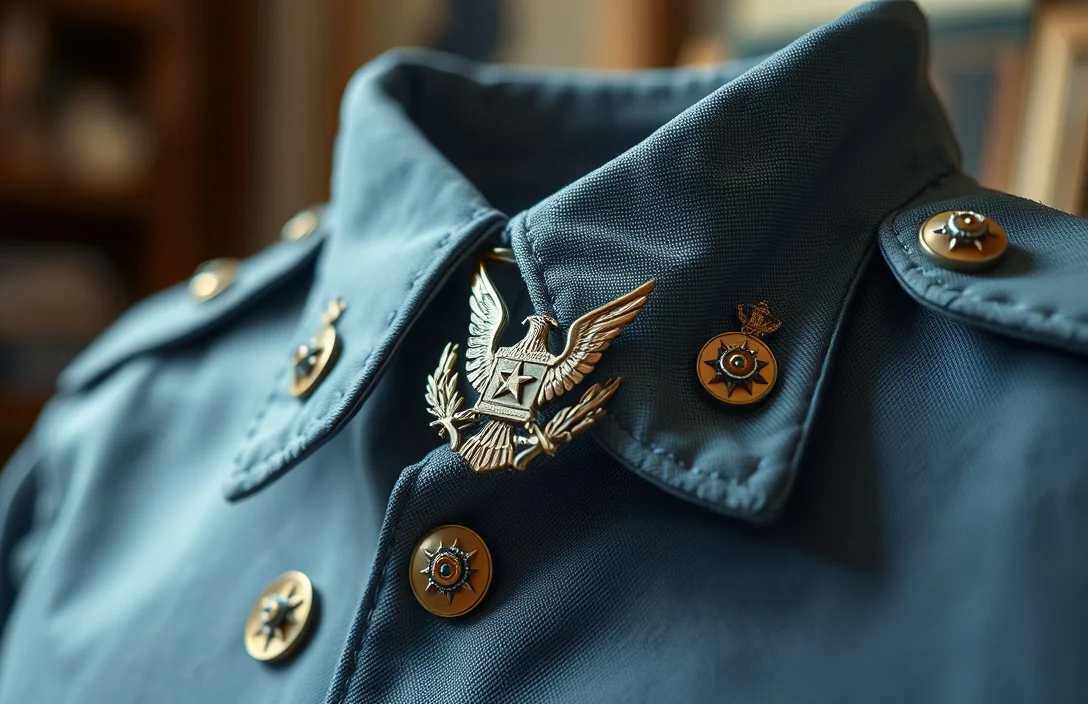
Era-specific clues aren’t perfect on their own, but they dramatically reduce options. The presence of American-made hallmarks and period-typical materials helps you place a piece within a plausible window. Use hallmarks as your first filter, then verify with construction details and decorative motifs.
Consider a representative cross-section of valuation and hallmark realities you’ll encounter. For instance, a 1940s piece with a Snowflake hallmark can range from about $10 to $120 depending on wear and finish. Earlier pieces, such as a 1892 pin marked AE or AECo from the American Emblem Company, historically sit in the broad $40 to $150 band when in decent condition. A 1940s Amico piece marked 8A can fetch $6 to $80 in typical wear. Gold and high-polish silver variants were reserved for higher ranks and commemorative pieces, sometimes hitting five-figure numbers when pristine.
Old military pin materials show visible patterns. Brass, bronze, or copper pins often carry a yellow or reddish face with detailed eagle or cannon engravings and brushed finishes; typical costs hover around $14-100. Silver and sterling silver pins present a glossy finish and a higher intrinsic value, commonly ranging from $70 to 500 depending on weight and provenance. Gold pins – reserved for the highest ranks or special honors – range from $500 up to 1,800. Cast iron and nickel variants tend to be cheaper, often $9-120, while steel and aluminum pins can be as low as $4-50. Enamel or resin glass finishes vary widely but can be as low as $9 and as high as $40, with the rare gold-enamel versions reaching around $500.
Table: Representative values and hallmarks by era
| Year | Age | Hallmarks | Estimated Valuation |
|---|---|---|---|
| 1940s | 83 years | Snowflake Hallmark from American Metal Crafts Co. | $10 – 120 |
| 1892 | 131 years | AE / AECo mark from American Emblem Company | $40 – 150 |
| 1940s | 83 years | 8A Hallmark from Amico | $6 – 80 |
In addition to those era notes, consider this quick guide to materials and typical costs:
| Old Military Pin Materials | Top Features | Average Cost |
|---|---|---|
| Brass, Bronze, or Copper | Yellow or reddish faces, detailed eagle or cannon motifs, brushed finishes | $14 – 100 |
| Silver & Sterling Silver | Highly polished, 92-93% silver, glossy finish | $70 – 500 |
| Gold | Highest ranks or honors, may include crystals or gems | $500 – 1800 |
| Cast Iron, Iron Alloys, Nickel | Slightly blackish finish, uneven thickness | $9 – 120 |
| Steel and Aluminum | Thin sections, intricate forms | $4 – 50 |
| Enamel or Resin Glass | Durable, resin-like finish, colored, slightly translucent | $9 – 40 (gold enamel may reach $500) |
Backings, hardware, and construction tell
Backings reveal more than you’d expect about the date. Screw-back collars are common on older pins and require a small threaded post; newer pins may use simple butterfly clasps or push-fit findings. The presence of a dual-post alignment or a rigid, pronged back is a sign of older manufacturing practices. Pay attention to how the back interacts with the pin’s body – the transition from sturdy, metal backings to lighter inserts often marks mid-century shifts.
Weapon insignia and unit pins frequently preserve the same mechanical language across decades. If you see a heavy, boldly formed back plate paired with a delicately enamelled front, you’re probably looking at a mid-century or earlier piece. Conversely, a flat, minimalistic back with bright enamel and clean lines can indicate later production or reproduction. The construction tells you how the piece was meant to wear, which indirectly helps date it.
Date accuracy rises when you combine back type with hallmark evidence. A two-piece back with a WWII-era eagle motif suggests the 1940s; the same motif on a modern snap-back points to a later restoration or reproduction. You’ll gain confidence by cross-checking with at least two independent signals: hallmark identity and back construction.
Essential Tools for Dating Military Collar Pins

Sergeant Chevrons Collar Brass Pins -Set of Two Rank Insignia Gold Finish Police Military Uniform Pins (Silver)
The Sergeant Chevrons Collar Brass Pins provide an authentic look for military uniforms, ensuring you adhere to proper insignia standards when dating military collar pins.

Corporal Chevrons Collar Brass Pins -Set of Two Rank Insignia Police Military Uniform Pins. Choose between gold, silver, and matt black. (Silver)
The Corporal Chevrons Collar Brass Pins offer versatile color options, allowing you to match your uniform style while correctly displaying your rank for dating purposes.

Make Your Uniform Look Sharp! SGT Army Collar Pins 22K Gold Plated Pair
The SGT Army Collar Pins, with their 22K gold plating, enhance your uniform’s appearance, making it easier to date and identify military collar pins accurately.
Authenticity checks and price guidance
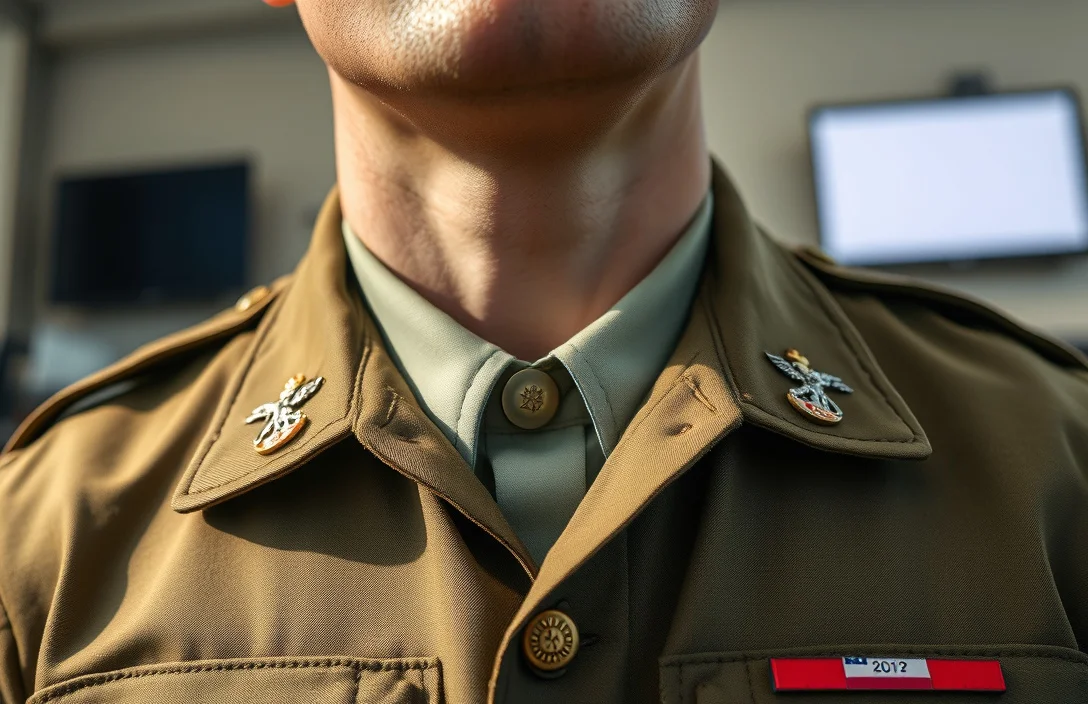
Guard against fakes by identifying inconsistencies early. Compare the pin’s patina, finish, and wear against known period standards. If a hallmark is unusually sharp or a back type looks incongruent with the era suggested by the motif, treat it as a red flag and seek corroborating evidence from multiple reputable sources. Pricing and valuation depend on condition, maker, and rarity, so build a dating hypothesis around a small, defendable range rather than a single number.
Always photograph the piece under bright light, then save a close-up of the hallmark, the back, and any inscriptions. When in doubt, consult multiple trusted sources and, if possible, connect with a dealer who specializes in vintage military insignia. A second pair of expert eyes reduces the risk of dating errors and helps you establish a credible provenance trail for the item.
💡 This Army Staff Sergeant pin is a great example of period authenticity for military collar pins. Army Staff Sergeant SSG E6-22K Gold Plated Rank Pin On Pair.
Case studies and practical
Case study 1: A WWII Army collar pin bearing the Snowflake hallmark from American Metal Craft Co., dated to the 1940s. The back is a two-piece design with a threaded post, and the enamel shows mild crazing consistent with age. The overall wear matches what you’d expect from a collar pin worn during active service, placing it firmly in the WWII era. A photo set confirming the hallmark and clasp type supports the dating conclusion.
Case study 2: A 1892 pin stamped AE from American Emblem Company with a brass base and a simple push-back. The wearer’s unit name is engraved along the edge, adding a layer of provenance. In this instance, the age-related cues align with late 19th century production, supporting a pre-World War I timeline. The combination of the maker mark and the shift in material usage helps verify the dating window.
These case studies show why you should form a dating hypothesis from multiple signals. Don’t rely on a single clue – harmony between hallmark, back style, and motif is what makes a dating conclusion credible. In practice, build a short list of 2-3 candidate eras and then check each against your pin’s details.
What to do next: buying, care, and appraisal workflow
Begin your dating workflow with a baseline catalog of hallmarks you encounter most often. Create a simple reference sheet that lists hallmark names, likely eras, typical back types, and common motifs. Use that sheet to speed up future identifications. When you hit a new mark, add it to the sheet with a note on the production window it implies.
Carefully document every pin you date. Save angles, close-ups, and scale references, then store the information in a dedicated catalog. A well-maintained record makes it easier to price pieces accurately and to justify dating when you sell or insure. If you plan to sell, price within the typical ranges shown above and adjust for condition, rarity, and maker reputation.
If you want to go deeper, join a reputable collector community or attend a specialty show where you can compare your piece side-by-side with known examples. In-person evaluation helps verify subtle hallmarks that photos alone may miss. The end result is a more reliable date, better provenance, and a smoother buying or selling experience.
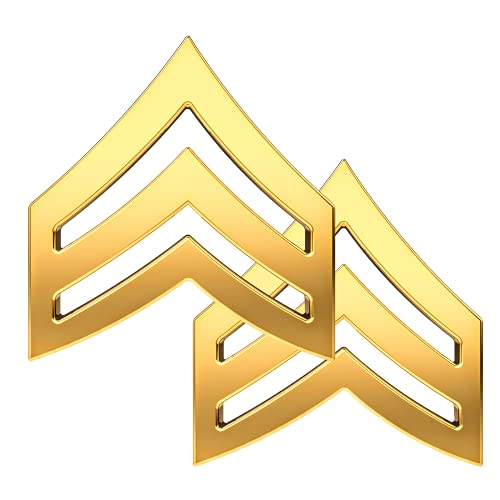
Helpful pick
Sergeant Chevrons Collar Brass Pins -Set of Two Rank Insignia Gold Finish Police Military Uniform Pins (Gold)
These collar brass pins are essential for creating a reference sheet of military insignia hallmarks.
FAQ
How can I quickly identify a common WWII era pin?
A: Look first at the hallmark, then the back type (two-piece or screw-back), and finally the design motif. A Snowflake hallmark with a two-piece back strongly suggests 1940s production.
What cost ranges should I expect for mid-century pins?
A: Mid-century pins in good condition typically run from about $10 to $120 for common designs, with rarer pieces or pristine finishes reaching higher values.
Are there telltale signs of fake collar pins?
A: Yes. Mismatched hallmarks, anachronistic back styles, or finishes that look overly new for the piece’s supposed age are red flags. Always verify with multiple sources.
How do I date a pin if the hallmark is faint?
A: Rely on the back style, design motif, and material. Compare to documented era patterns and seek a second opinion from an experienced dealer if needed.
Is there a safe way to price a pin I’m not sure about?
A: Start with a conservative estimate based on the closest dated examples. If the hallmark and back type match a known era, adjust upward only after corroboration and condition appraisal.
Closing practical verdict: dating US military collar pins hinges on corroborating marks, hardware, and design era. Build your dating thesis from at least three independent signals, then back it with period catalogs and credible price ranges. With disciplined photo records and a reference sheet, you’ll date most pins within a confident decade and often closer.