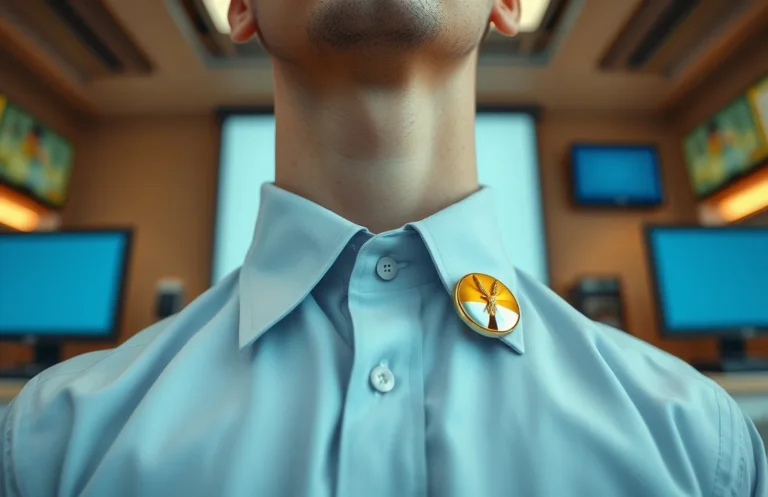

How To Use A Tie Pin Collar? The Essential Positioning Guide
Using a tie pin collar elevates a formal look but relies on two devices: a collar pin and a tie pin. You’ll learn where to place each pin, what risks to avoid, and how to adapt the setup to different collars and dress codes.
A tie pin collar setup uses a collar pin to lift the front of the collar and a tie pin to secure the tie to the shirt, typically positioned between the third and fourth buttons. Avoid using a collar pin without a proper collar; misalignment can cause discomfort and damage the fabric. Keep pins aligned and remove them if you feel pinching or fatigue, especially during long wear.
Key Takeaways
- Placement matters. Tie pins go between the 3rd and 4th buttons; collar pins sit at the front of the collar points.
- Dress-code fit. Best for formal business attire or black-tie settings, not casual shirts.
- Two-device reality. A collar pin and a tie pin serve different roles and require careful alignment.
- Safety first. Remove pins before sleeping or engaging in intense activity to avoid skin pinching or snagging.
- Care and storage. Clean with a soft cloth and store separately to prevent scratching or misalignment.
- Practice makes perfect. Start with a simple, clean shirt and a lightweight tie to learn the feel before upgrading to finer materials.
Understanding the Tie Pin Collar

The tie pin collar combines two small hardware pieces to create a crisp, intentional silhouette. A collar pin raises the collar points slightly, creating a neat frame for the tie knot. The tie pin anchors the tie to the shirt, keeping it from shifting during movement. This combination communicates a polished look.
You’ll primarily see it in very formal work environments, weddings, black-tie events, and occasions that demand refined dressing. It’s less common in casual settings where relaxed attire rules apply. When in doubt, opt for a tie bar or a simpler knot.
Avoid the setup if your shirt lacks collar holes or a dedicated pin channel, as a collar pin won’t sit properly and could damage the fabric. If your tie is exceptionally thick or textured, the pin can snag, leading to an uneven line. In those cases, focus on the tie pin positioning or skip the collar pin entirely.
Fit and proportion are key. A well-fitted suit with a crisp, starched collar looks balanced when the collar pin and tie pin sit precisely where they should. Incorrect placement can make the overall look appear stiff or unfinished.
Choosing the Right Parts
The right parts matter more than you might think. A good collar pin matches the width of your collar, typically aligning with the distance between the two collar holes. The tie pin should be long enough to secure the tie and pass through the shirt placket without hitting the inner fabric. The shirt itself must have a collar designed for a pin; most dress shirts with removable collars or pre-punched holes work best.
Material choices are important too. Metal finishes should harmonize with your jewelry and belt buckle. For a conservative look, choose nickel or brushed brass; for a more luxurious feel, gold-plated options can work if they’re not overly flashy. Nickel-free options are better for those with skin sensitivities. Ensure pin backs and set screws feel secure without excessive force.
| Name | Best for | How it sits | Key risk |
|---|---|---|---|
| Collar pin | Elevating collar points | Through two front collar holes | Fabric snag, misalignment |
| Tie pin | Securing tie to shirt | Through tie and placket around chest | Skin pinching, uneven line |
| Tie bar | Clean, modern look | Across the front of the tie | May require flatter, thinner knots |
For a starter kit, include a simple collar pin with a matching back piece and a basic tie pin with a smooth, blunt end to minimize snagging. Avoid novelty finishes that can catch hair or fabric. A small, clean presentation reads as deliberate rather than fussy.
Correctly Positioning a Collar Pin
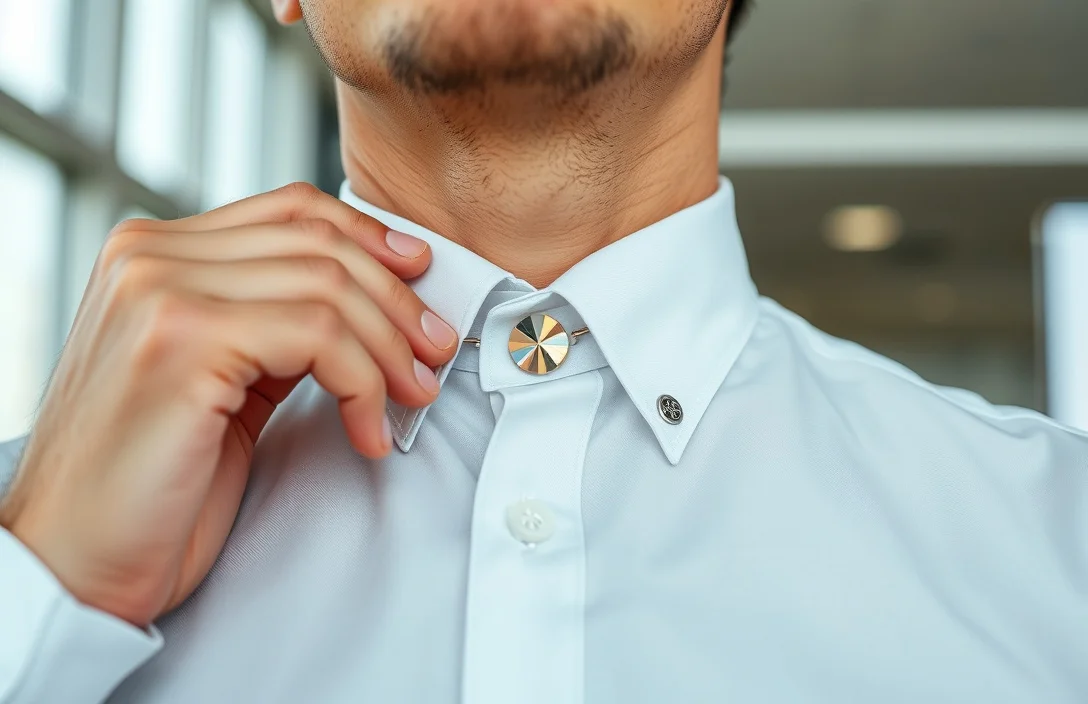
To position a collar pin correctly, start with a clean, ironed shirt and a stiff collar. The goal is a clean line across the collar with the pin resting evenly on both sides. Don’t force the pin through the fabric if it lacks a stable grip or if the collar feels too soft.
Identify the intended holes in the collar, which should be in front, near where the collar folds meet the shirt. Place the pin so the head sits on the outside of the collar, with the pin passing through both layers of fabric. Hold the collar steady and gently press the pin through until it cannot move further. If your device has a back clip or stop, secure it from behind.
Check alignment with the knot. The pin should be positioned below the knot but high enough to look visually balanced. If the pin causes the collar to tilt or the knot to sit oddly, remove and reposition. Aim for the pin to land just under the throat line for a neat appearance.
Afterward, inspect the setup in a mirror from multiple angles. Look for a straight line across the tie and collar, ensuring the pin is not pressing into the fabric. If you sense twisting or discomfort, adjust the pin slightly to restore symmetry. A well-set collar pin adds a crisp silhouette without being noticeable.
Correctly Positioning a Tie Pin
Placing a tie pin requires focus on the relationship between your tie, shirt, and collar. The pin should anchor the tie to the shirt around the mid-chest area, typically between the 3rd and 4th buttons. Aim for an unobtrusive, horizontal line with the pin entering from the front and exiting through the shirt layer behind the tie.
Begin by visually measuring the spot. The pin should align with your sternum, not above the knot or too low on the tie tail. Slide the pin through the tie and shirt, keeping the tie flat to avoid bunching. If your pin has a locking back, secure it behind the shirt fabric to prevent loosening during movement.
Confirm that the pin sits perpendicular to the tie and lies flat. A tilted pin breaks the line and can damage the fabric. Maintain a straight, unbroken line from collar to knot to placket. Adjust slightly higher or lower for thicker knots or broader ties, but keep the anchor near the center of the chest for balance.
Finally, test movement. Take a short walk and turn your head left to right. If the pin shifts or you feel resistance, loosen the collar slightly by adjusting its angle or the tie’s position. A good tie pin remains stable without pinching skin or pulling on the fabric during normal activities.
Using Both Together: Setup Guide
Combining a collar pin and a tie pin creates a precise, formal line, but it requires careful alignment. Start with a shirt that has two clean collar holes and a tie that sits smoothly at the knot. The collar pin goes at the collar front, while the tie pin anchors the tie around chest height.
First, install the collar pin as described earlier, ensuring the pin head sits evenly on the outside. Then place the tie pin between the 3rd and 4th buttons, threading it through both the tie and the shirt placket. Visually check the line and adjust as needed so the collar’s front edge and the tie lie in a single, straight plane. Do not force the pins if the fabric shows strain or pulling on the collar.
Wear with a suit and a crisp white shirt for the best effect. Avoid overly shiny metals on very formal occasions unless matching with other hardware. If either pin affects comfort, remove and reassess the placement. The goal is a clean, controlled look that does not distract from your overall outfit.
Practical Examples and Dress Codes
For black-tie events, a collar pin and tie pin can appear refined, but keep the metal understated. A brushed or matte finish is more formal than a high-polish surface. At corporate dinners, a subtle pair aligned with your belt buckle and cuff links creates a cohesive appearance.
In conservative business environments, you may opt for a single device, either the collar pin or the tie pin, to maintain modesty. If your shirt lacks collar holes, skip the collar pin. For designer shirts with specialty collars, test the fit on a non-critical day before wearing it publicly.
The best result comes from consistent lines. If you wear the setup all day, pay attention to how the pins hold up as you move. Quick adjustments after lunch can help maintain a crisp look without appearing fussy. The right combination signals deliberate taste rather than stubborn formality.
Troubleshooting and Care
Common issues include pin slippage, fabric snagging, and skin pinching. Slippage usually indicates the back piece isn’t securing properly or the collar hole is worn. If the fabric snags, switch to a new pin or adjust the hole alignment. Skin pinching occurs when the pins press against the neck or collarbone; loosening the collar slightly or repositioning the pin can solve this.
Care is simple but essential. Clean pins with a soft cloth after use to prevent tarnish. Store them in a small jewelry box or a dedicated pin case to avoid scratches. Avoid wearing both pins with a silk knit tie, which can snag easily. If you’re ever in doubt, practice on a spare shirt before a big event.
Maintenance and Safety
Inspect pins for burrs or rough edges before use. A rough edge can snag fabric or irritate the skin. If you notice wear on the collar holes, consider replacing the collar or using a different shirt to preserve its integrity. Never force a pin through fabric that resists entry; forcing can tear the collar or placket.
For safety, remove pins before sleeping or engaging in activities that could cause the pin to press into the skin or catch on something. Always handle pins with clean hands to avoid transferring oils or dirt that can irritate skin. When not in use, keep pins separate and secure to prevent scratching other items in your wardrobe.
Next Actions and Buying Guide
Start with a solid base: a clean, stiff-collar dress shirt that is compatible with collar pins. Choose a collar pin and tie pin in matching finishes for a cohesive look. If you’re unsure about fit, opt for a set with a simple back or a secure clip that’s easy to remove.
Test your setup in a controlled environment before event days. Wear a plain tie first to learn the feel and line. If you plan on frequent use, consider investing in high-quality materials like solid brass or stainless steel with a matte finish. A simple kit that includes two pins and a protective case is practical for ongoing wear.
| Tier | What to look for | Pros | Cons |
|---|---|---|---|
| Starter kit | Basic collar pin, basic tie pin | Inexpensive; great for practice | Limited durability; limited finishes |
| Mid-range | Stainless steel or brass, brushed finish | Durable; easy to pair with outfits | Slightly higher cost |
| Premium | Gold-tone, solid precious metal options | Very refined look; long-lasting | Higher price; can be overbearing in casual settings |
For a simple upgrade that makes a strong impression, start with a neutral finish and a shirt with reliable collar holes. A well-chosen set can last for years if cared for properly. If you prefer minimalism, you can opt for a collar pin and skip the tie pin on days when you want a cleaner line.
FAQ
What is a collar pin and when should I wear it?
A collar pin sits across the collar points and lifts them slightly for a sharper line. Use it for formal business settings or events where a crisp, traditional silhouette is expected. Do not wear a collar pin with casual shirts or outfits lacking proper collar holes.
Where should a tie pin be placed on a shirt?
Place the tie pin through the tie and shirt around the middle of the chest, typically between the 3rd and 4th buttons. A straight, horizontal insertion keeps the line clean and avoids twisting.
Can I wear a collar pin and a tie pin at the same time?
Yes, but alignment is crucial. Both pins must sit on the same horizontal plane and not press into the neck. If any discomfort or fabric strain occurs, remove one pin and reassess the setup.
How do I remove a tie pin safely?
Gently push the pin back toward the outside with one hand while supporting the tie with the other. Slide it out slowly to avoid tearing the fabric or pinching the skin. Always check for any sharp edges before reinserting.
What are good alternatives to a tie pin collar for a polished look?
A tie bar or clip provides a similar formal line with less risk of fabric snagging. For strictly traditional looks, a collar pin paired with a tie pin can work, but proceed with caution and test on a spare shirt first. Options vary by formality and fabric type.
This approach keeps your tie and collar aligned while preserving a clean, intentional line. The goal is a sophisticated silhouette that signals confidence without drawing unnecessary attention. If you’re new to tie pin collar setups, start slow, practice on a non-crucial day, and step up to bolder fabrics or finishes after mastering basic alignment.