
How To Fix A Watch Pin Collar? Quick Steps And Common Issues
Watch pin collars loosen when the pin shifts or backs out, letting links wobble and the bracelet detach. Re-seat the collar and pin, then verify stability. If the collar or pin shows wear, replace the collar and spring bar together. Start with a simple re-seat, then escalate to replacement if needed.
Watch pin collar fixes follow a simple rule: start easy, escalate only if the first step fails. Re-seat the collar and pin, test for wobble, and replace the collar, pin, or spring bar only when you see wear or deformation. Treat high-value watches as precision repairs and don’t rush.
Key Takeaways
- Re-seat, then test for stability with a firm tug.
- Inspect for wear or elongation; replace worn parts.
- Use a proper spring-bar tool to minimize scratches and seat components squarely.
- Clean lug holes before reassembly to prevent binding.
- Escalate for cracks, rust, or a bent case, especially on high-value pieces.
Common causes of a loose watch pin collar
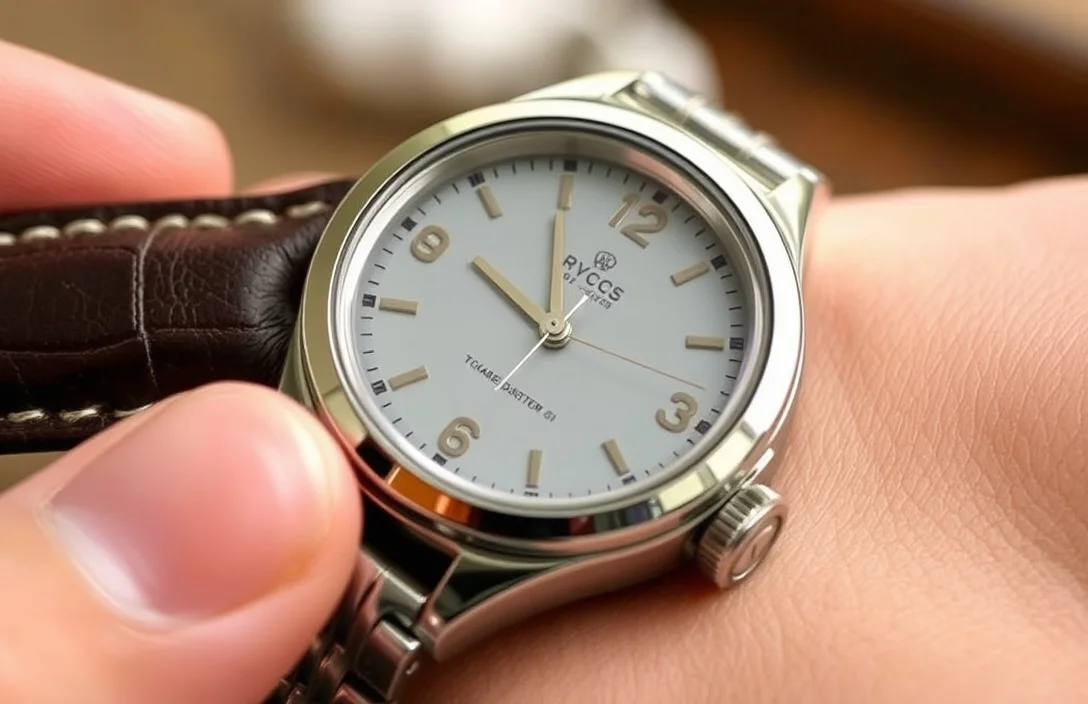
A loose collar starts with wear or improper seating. Over time, the pin wears the collar’s inner edge, creating play that lets the pin shift and the bracelet wobble. A misaligned collar or a bent spring bar can trigger the same symptom, even if the pin looks okay. Replacing worn components is often enough to restore a secure fit.
Damage isn’t always obvious. A tiny dent in the collar or slight elongation around the pin hole can loosen the system. Debris inside the lug holes compounds movement, creating resistance that misleads you about how tight the collar really is. For metal bracelets that see daily wear, these issues accumulate faster than you expect.
For a daily wearer who swaps bracelets often, the collar may loosen after frequent insertion and removal. The collar may not look damaged, but repeated compression can cause micro-erosion around the pin hole. In practice, the fix that lasts is usually replacing the collar and spring bar, not reusing a worn part.
- Wear and elongation of the collar or pin.
- Damaged lug holes or bent lugs.
- Debris or lint inside the lug system.
- Incorrect or incompatible spring bars for the bracelet.
- Repeated insertion/removal cycles stressing the collar.
Safety and quick checks you can perform safely
Start with simple, least invasive checks. Remove the bracelet to inspect the collar, pin, and lug holes under good light. Look for obvious wear, nicks, or deformation. If you see anything clearly compromised, don’t push it back in; replace the affected parts first.
Re-seat the assembly with a spring-bar tool to depress the pin and slide it back into the lug. Verify the collar sits flush against the lug and there is no lateral wobble when you gently rock the bracelet. A secure fit should feel solid with only the slightest deliberate movement.
A loose collar is often caught by a simple tug test. Hold the bracelet at the end links and apply a deliberate, controlled tug away from the case. If the bracelet moves more than a fraction of a millimeter, there’s play to address. Do not force the pin deeper if you feel resistance or hear a gritty sound – that’s a sign the lug or pin hole is obstructed.
If the watch is valuable, proceed with extra care. Work over a clean, soft surface to avoid scratches, and keep small parts in a tray so nothing drops. If you’re unsure about a step, pause and reassess before applying more force.
- Inspect the pin, collar, and lug holes for wear or damage.
- Remove debris from lug holes and brush away dust.
- Re-seat with the correct tool and test with a controlled tug.
- Stop if you feel unusual resistance, scraping, or metal deformation.
- Work on a soft, clean surface to prevent scratches or loss of parts.
Priority fixes in order
Start with the least invasive remedy and work toward full replacement only if necessary. The sequence mirrors what most DIYers can accomplish in under an hour with the right tools.
Step 1 – Re-seat the pin and collar. Remove the bracelet, inspect the collar seat, and slide the pin back in with a spring-bar tool until the collar sits flush. Test for stability with a firm, but gentle, tug.
Step 2 – Clean and verify lug holes. Remove grime, lint, or corrosion from the lug holes with a soft brush or microfiber cloth. Reinsert the bracelet and repeat the tug test. If movement persists, move to Step 3.
Step 3 – Check for wear and replace if needed. If the collar or pin shows elongation, deformation, or visible wear, replace both the collar and spring bar together. This prevents mismatched tolerances that allow play to return.
Step 4 – Replace the spring bar if the fit remains loose. Even if the collar looks fine, a worn spring bar can allow the pin to shift. Fit a new spring bar of the same type and length, then re-test.
Step 5 – Evaluate lug integrity and bracelet compatibility. If lug holes are enlarged or the lug itself shows bending, a professional should address the damage. A mismatched bracelet and lug can also cause ongoing loosening.
Step 6 – Optional securement with care. For some metal bracelets, a light coating of thread locker on threaded pins or a micro-crimp can help, but only if you know the pin is threaded and compatible. Use sparingly and only after confirming the mechanism with your bracelet manufacturer’s guidance.
For example, a customer might re-seat, clean, and replace both collar and spring bar, only to find the lug holes a bit stretched. In that case the fix isn’t the collar anymore; it’s the lug repair or bracelet replacement. In practice, most non-valuable watches end up with the collar and spring bar replaced for a lasting fix.
- Re-seat the pin and collar first.
- If wobble remains, clean lug holes and re-test.
- Replace worn collar and pin together if needed.
- Install a new spring bar if movement persists.
- If lug damage or incompatibility exists, involve a professional.
Tools and parts you’ll likely need
Having the right kit keeps damage to a minimum and makes the process quick. You’ll want a dedicated spring-bar tool, precision screwdrivers, and a clean workspace. A loupe or magnifier helps you see wear at the collar edge without guesswork.
A small tray or magnetic pad keeps tiny parts from wandering. A soft cloth or watch-press mat protects the case during reassembly. If you’re replacing parts, keep a few spare spring bars and replacement collars in the correct size for your bracelet.
Table: Tools, use case, and tips
| Tool | Use case | Tip |
|---|---|---|
| – | – | – |
| Spring-bar tool | Depress pins and seat collars | Use the forked end to avoid scratching the lug |
| Precision screwdriver set | Remove set screws on bolt-style collars | Use the smallest driver that fits to avoid damage |
| Fine-tipped pliers | Hold and position the collar | Work with a light grip to prevent marring |
| Loupe or magnifier | Inspect wear and alignment | Examine the collar edge under 5x-10x magnification |
| Soft cloth and microfiber | Protect surfaces while working | Keep lint away from the pin hole |
| Replacement collar and spring bars | If wear is found | Match the exact width and style of your bracelet |
If you don’t have a full set of tools, visit a local watchmaker or authorized service vendor. They can do the job quickly and will have the precise parts for your bracelet model. Avoid improvised tools that could scratch the case or bend the lug.
When to call a professional
If the lug is damaged, the bracelet is unusually pricey, or you’re dealing with a vintage piece, professional help is wise. A mis-seated collar on a sapphire-crystal case with an expensive bracelet can be a costly mistake. A pro has the right lugs, a calibrated press, and the exact collar and spring bars for your model.
If you’ve tried the basic fixes and still see wobble after a full re-seat and part replacement, it’s time to book a service. Professionals will check the entire bracelet system for hidden wear, confirm compatibility, and ensure water resistance isn’t compromised by a sloppy repair. For watches with integrated lugs or unique attachment methods, professional service is especially prudent.
- When lug holes show elongation or cracks.
- When the bracelet is a high-value piece or vintage.
- If you’re unsure about the mechanism (screw-in links, removable pins, or exotic collars).
- If you lack the right tools or parts.
- If the issue reappears within days after a DIY fix.
Bracelets, collars, and how they affect the fix
Not all watch bracelets use the same pin collar design. Some use a straight spring bar with a separate collar, others employ a crimped collar that locks the pin in place after insertion. The fix you choose depends on the specific system in your bracelet. A mismatch between collar type and pin can keep the issue unresolved even after a replacement.
Bracelet compatibility matters. If your bracelet uses a minor variant or a style from a different brand, the collar and spring bar may not seat properly in the lug. Always confirm the exact part numbers with the bracelet or watch manufacturer before ordering. A wrong part can create more play than you started with.
For many modern watches, the collar is a precision component sized for a specific lug hole diameter. Trying to force a different collar into the same hole often results in deformation at the edge of the lug. If you replace the collar, verify both the pin and the collar are designed to work together, and that the length matches the lug width. This small mismatch is a frequent source of recurring looseness.
- Different bracelet families use different collar designs.
- Confirm part numbers before ordering to avoid mismatches.
- Ensure the pin and collar match the lug width and brand.
- A wrong-sized collar or bar is a common cause of recurring looseness.
Maintenance to prevent future collar issues
Preventing collar issues starts with routine inspection and mindful handling of your bracelets. Regularly wipe down the bracelet after exposure to saltwater or sweat, and inspect the collar edge for any nicks or flattening. Periodic checks save you from sudden failures in the middle of a day out.
When you swap bracelets, insert and remove with care. Use a proper tool and avoid prying with the case edges. Store spare parts in a dry, dust-free place to prevent corrosion or rust that could compromise the pin or collar. A quick monthly check can catch wear before it leads to a detached bracelet.
Many people find it helpful to set a reminder every six months to inspect the collar, pin, and lug holes. If you notice any looseness during this check, apply the fixes outlined above in the same order. Consistency makes a big difference in keeping a watch bracelet secure.
- Regular cleaning and inspection prevent hidden wear.
- Use proper tools for every step to minimize damage.
- Replace worn parts promptly to avoid recurring issues.
- Keep spare parts on hand for quick DIY fixes.
- Schedule professional service if you’re unsure about the mechanism.
FAQ
How much does it cost to fix a watch pin collar?
Repair costs vary by brand and part availability, but a basic collar and spring bar replacement commonly runs under $20-$40 for parts, plus labor if you visit a shop. Expect higher fees for premium brands or vintage pieces.
How long does a DIY pin collar fix take?
If you have the right tools, a straightforward re-seat and part swap can take 15-30 minutes. More complex cases with lug damage or rare parts may require 45-90 minutes or more.
Is it safe to use glue on a pin collar?
No. Adhesives can interfere with movement, attract debris, or create brittle joints. Replace worn pieces instead of attempting to glue components, especially on water-resistant models.
What if I don’t have the exact collar size?
Match the width (lug-to-lug) and type to your bracelet. If you can’t find the exact part, consult a professional or use a compatible, brand-approved replacement. For vintage pieces, a shop can often source the specific collar.
Can I fix this if the bracelet is expensive or vintage?
Yes, but with caution. If the watch is valuable, consider professional service to avoid damaging the case, lugs, or precious materials. A pro will preserve authenticity and ensure long-term reliability.
Practical verdict: Re-seat first, then replace worn components. If you see lug damage or you’re working with a high-value watch, stop and call a professional. Gather a spring-bar tool and a spare collar kit, then practice on a non-valuable bracelet to build confidence before tackling a pricier piece.