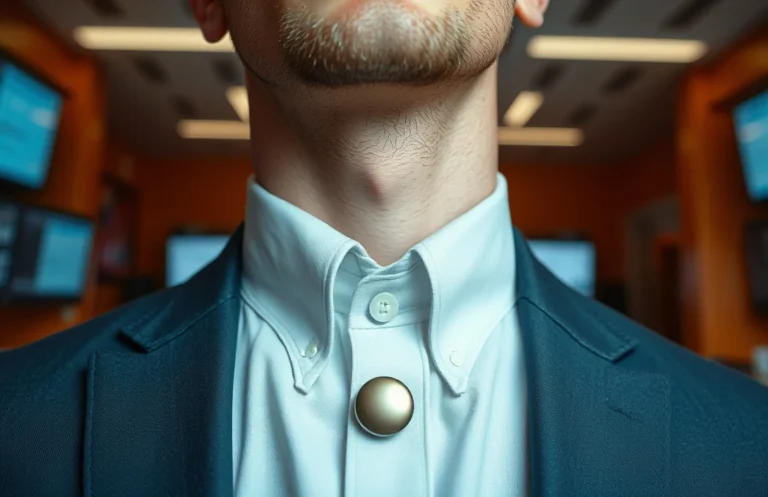
What Side Of My Collar Do I Put My Pin?
which side and why
Lapel pins belong on the left lapel for visibility; collar pins sit centered between the collar points on a dress shirt. The wrong side looks off, the right side reads cohesive and intentional.
Collar pins go through the two collar points, centered, with the decorative face facing outward. Lapel pins go on the left lapel, facing outward. Collar pins center between the points and sit flat and level.
Key Takeaways
- Left-lapel rule. Lapel pins belong on the left lapel for maximum visibility and a balanced silhouette.
- Center-collar pins. Collar pins sit centered between the collar points with the decorative face outward.
- Positioning distance. Aim for about 1 to 2 inches below the collar bone to keep the line clean.
- Match metals. Align pin metal with other accessories for a cohesive look.
- Keep it subtle. In most settings, choose small pins with low-contrast colors.
- Secure backing. Use the proper clutch to prevent loss and keep the pin straight.
Left lapel pins: the default choice
Lapel pins are the standard way to add a small emblem, logo, or personal touch to a jacket. They belong on the left lapel because that side is naturally more visible to others when you’re facing them. The decorative face should point outward, toward the room, not toward your chest.
In practice, choose a pin size around 1 to 1.5 centimeters in diameter for a typical suit jacket. Anything much larger can overwhelm the lapel and disrupt the line of your chest. If you’re wearing a tie, position the pin slightly above the top edge of the tie knot so it still reads above the shirt placket.
When you’re deciding what to wear, consider the overall color balance. A high-contrast pin on a dark blazer reads loudly; a subdued enamel pin on a light jacket reads quietly but still communicates your message. The goal is visibility without shouting.
Collar pins: centered between the points
A collar pin is not a decorative badge stuck on a shirt; it’s a functional piece that goes through the collar points to hold them in place and create a crisp line. The pin should be centered between the two points, with the decorative face on the outside.
The alignment matters. If the pin sits off-center, the collar looks misaligned and the shirt’s silhouette reads as sloppy. Use a collar with holes or anchor points that match the pin’s thickness. For most modern dress shirts, you’ll be fine with a pin that’s slim and light, so the collar doesn’t sag or warp.
If you’re new to collar pins, start with a simple, short pin that won’t protrude far beyond the collar edge. You want the pin to disappear into the overall line of the outfit, not distract from it. For a sharper look, pair a collar pin with a crisp, well-ironed collar and a tailored shirt.
when to wear which side
In business settings, keep things understated. A single lapel pin on the left side reads as intentional and professional, especially if the pin is a corporate logo or a small badge. In more creative or casual environments, you can experiment with pin shapes and colors, but still respect the left-lapel convention for lapel pins.
For formal occasions, such as weddings or galas, a minimal approach works best. A tiny, metal-tone pin on the left lapel avoids competing with the formalwear. Collar pins, when used in this context, should be used sparingly and only if the shirt design supports it. If you aren’t sure, default to the lapel pin on the left.
If you’re wearing a pin to represent a cause or organization, ensure the message is legible at arm’s length. The viewer should be able to read the emblem without leaning in, so size and contrast matter. In all cases, avoid multiple pins on the same lapel, which can look crowded and unprofessional.
How to wear and adjust: a quick, practical guide
- Step 1. Inspect backings and ensure the clutch or backing is in good condition. A loose backing invites loss.
- Step 2. For a lapel pin, insert the pin from the front side of the lapel and push it through to the back, so the decorative face sits outside.
- Step 3. For a collar pin, align the two collar points, then push the pin through the fabric so it sits between the points with the decorative face outward.
- Step 4. Secure with the backing, rotating it until it’s snug but not tight. You don’t want to distort the fabric.
- Step 5. Check your alignment in a mirror. The pin should sit flat, with the decorative face clearly visible and the clasp fully closed.
For comfort, avoid pins that exert significant pressure on the collar’s fabric. If you notice puckering or creasing, remove the pin and switch to a thinner option. You want a crisp line, not a wrinkled edge.
what to pick
Metal choices vary from brass and nickel to stainless steel and precious alloys. Enamel finishes can bring color without adding bulk, while two-tone designs mix metal colors for more depth. When choosing a size, aim for 1 to 1.5 centimeters in diameter for lapel pins; collars favor a similar scale, but you can go slightly thinner if the collar is delicate.
Color matters more than you might think. If your jacket is navy, a silver or white enamel reads deliberately. On charcoal gray, a black, gunmetal, or bright enamel pin can create a subtle focal point. If you want to coordinate with a belt buckle or watch, match metals to keep the look cohesive rather than flashy.
Sizing and weight are practical as well. Heavier pins require sturdier backings and more secure fittings. If you’re wearing a pin for a long event, test the feel after sitting and standing to ensure it remains in place.
Pin types at a glance: quick-reference
| Pin type | Best placement | How it sits | Typical uses |
|---|---|---|---|
| Lapel pin | Left lapel | Faces outward, centered on chest | Branding, affiliation, awards |
| Collar pin | Centered between collar points | Horizontal across the collar | Formal shirt styling, clean lines |
| Tie pin | Through the tie, near the knot | Secures tie to shirt | Traditional tie jewelry, subtle hold |
This table helps you decide at a glance which side and placement to choose. The key is consistency: pick one pin type for a given outfit and keep the look restrained and intentional.
FAQ
Do lapel pins always go on the left side?
Lapel pins sit on the left lapel by convention for visibility and balance. If you’re wearing a double-breasted jacket or a very wide lapel, place the pin where it feels centered to your chest line, but the left side remains the starting point.
Can I wear a collar pin with any shirt?
Not every shirt supports a collar pin. Collar pins work best with shirts that have a well-defined collar and enough stiffness to hold the pin without warping. If your collar is soft or lacks appropriate holes, collar pins can cause puckering or discomfort.
How do I attach a collar pin safely?
Align the two collar points, insert the pin evenly through both layers of fabric so it sits between the points, and secure with a backing. Check that the decorative face is outward and the pin isn’t too tight. Mirror-check the alignment to ensure a clean line.
Are there etiquette rules for pins in business settings?
Keep it minimal and professional. Use a single small pin rather than several, avoid bright or oversized designs, and ensure the pin complements your suit and tie color. A well-chosen pin communicates attention to detail without distraction.
What if my pin is too big or heavy?
Switch to a smaller, lighter pin or use a softer fabric backing. Heavy pins can cause collar sag or jacket strain, especially during long events. If in doubt, test ahead of time and choose a pin with a snug, secure backing.
What side you choose for your pin comes down to the setting and the garment. For most people, start with a lapel pin on the left and reserve collar pins for shirts designed to accommodate them. Pick a size and finish that harmonizes with your wardrobe, and secure the backing so the pin stays put.
For a practical next step, audit your wardrobe: pick one discreet lapel pin in a metal color that matches your most-worn belt buckle or watch, and practice wearing it on the left lapel at different angles in front of a mirror. That single habit will make your pin look intentional every time.