
How To Wear Tie Pin Collar? A Step-by-step Tutorial
Using a tie pin effectively transforms a simple knot into a crisp, polished look. The tie pin collar combination prevents the tie from shifting and keeps the collar aligned, crucial for photos and meetings. For a classic American style, place the pin between the third and fourth buttons from the top, perpendicular to the tie and just below the knot.
Tie pin placement is precise. Start about 2-3 cm below the knot, align the pin perpendicular to the tie, and ensure the pin is visible but not dominant. Aim for a straight line from the knot to the pin, with the pin positioned between the third and fourth shirt buttons.
Key Takeaways
- Exact placement: Pin it 2-3 cm below the knot, perpendicular to the tie.
- Collar compatibility: Best with standard spread or semi-spread collars for balance.
- Width match: The pin should be shorter than the tie width to avoid crowding.
- One pin only: A single pin maintains a clean silhouette.
- Fabric safety: Insert through the tie and shirt placket without forcing.
Why Wear a Tie Pin?

A tie pin adds stability to your look, keeping the tie in place during conversations or movement. It helps the knot stay centered, maintaining a neat appearance under lights and in photos. In professional settings, a well-placed tie pin signals attention to detail without drawing excessive attention.
A tie pin isn’t necessary for every outfit. It works best with a crisp, medium-weight dress shirt and a traditional tie knot. Pairing one with a knit tie or very casual shirt can look outdated. If the shirt fabric is delicate or the knot sits high, a pin can leave creases or marks, so test it before significant events. Reserve the pin for suits and dress shirts made from stable fabrics where you want a controlled line.
Prerequisites and Gear
Select a pin that matches the tie width and complements your other metals. A pin that’s too long can overwhelm the tie; too short can look incomplete. Start with a stainless steel or silver-tone pin for everyday use. For special occasions, a gold-tone or brushed brass pin pairs well with darker colors. The material is less important than alignment and comfort; a sharp, smooth pin stands up to daily wear and feels less cumbersome.
Two factors guide your setup: collar shape and tie width. Spread and semi-spread collars accommodate pins better, while button-down collars require extra care to avoid distortion. The knot should sit neatly above the top button, with the tie centered and the pin aligned along a straight line from the knot to the shirt placket. If you’re unsure about pin position, practice in front of a mirror using a non-lycra tie.
| Type | Material | Best For | Pros |
|---|---|---|---|
| Classic steel | Stainless steel | Everyday formal wear | Durable, low reflection, inexpensive |
| Gold-tone | Brass with gold plating | Weddings, dressy events | Distinctive, warm tone, premium feel |
| Silver-tone | Stainless with brushed finish | Cool-toned outfits | Versatile, modern look |
| Pearl-top or enamel | Metal base with decorative top | Vintage or statement looks | Adds character without excessive flash |
Keep the pin dry and clean, and store it in a small case to avoid bending. If you wear metal jewelry, let the tie pin stand out on its own rather than competing with a lapel pin. A well-chosen pin should feel like a deliberate addition, not an afterthought.
How to Choose a Tie Pin

The length of the tie pin should match the width of the tie. A pin that spans the gap between the knot and the edge of the tie creates a cleaner look and stays in place. Opt for a metal tone that complements your other accessories, like your watch or belt buckle. For most business looks, choose a modest, unobtrusive pin rather than a flashy one.
Consider your collar type. A spread or semi-spread collar is easier to pin without crowding, while a point collar can work if you keep the pin short and centered. For very slim ties, a slender pin maintains balance; with wider ties, a longer pin can sit proportionally on the fabric. Practice a few options in front of a mirror until the alignment feels natural.
Keep these rules in mind: the pin stays 2-3 cm below the knot; it’s perpendicular to the tie; and it’s visible without dominating. The knot remains the focal point, with the pin enhancing the overall line of the shirt and suit. This approach is effective for most American business attire and formal events.
Step-by-Step Wearing Method
Prepare your setup by draping the tie with the knot resting just above the shirt collar, ensuring the collar points sit flat. The goal is a clean silhouette, a straight line from knot to the pin, without fabric tugging.
1) Choose a pin length that matches the tie width. Start with a typical 1-1.5 inch pin for standard dress ties, longer for wider ties.
2) Position the knot comfortably above the collar, not touching the button.
3) Align the pin with the centerline of the knot, ensuring it sits straight when viewed head-on.
4) Insert the pin perpendicularly through the tie, then through the shirt placket behind the knot.
5) Slide the backing clip or cap into place, securing the pin with gentle pressure.
6) Check in a mirror: the knot should remain centered, the pin visible and perpendicular, and the collar line even.
Start with a test run at home. If the pin slips or causes a crease, remove it, check the knot height, and reinsert. A good pin feels snug but not tight and should not threaten the fabric. The aim is a subtle anchor that keeps everything aligned while your shirt and suit present a clean, cohesive line.
Troubleshooting and Common Mistakes
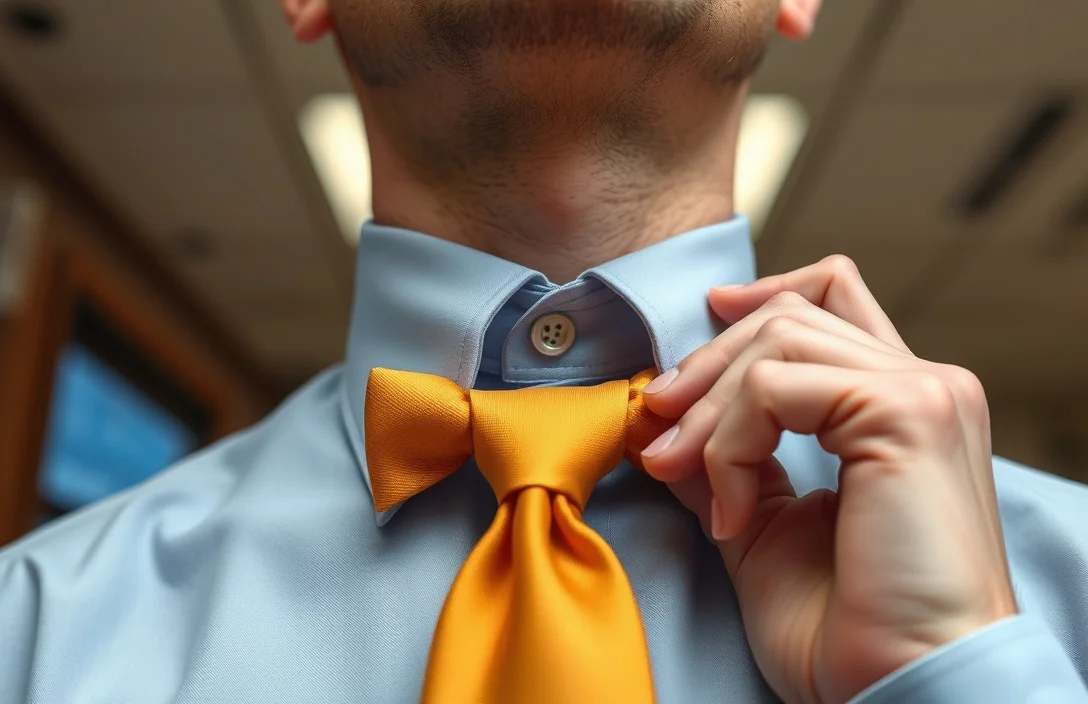
Pin mismatches can undermine your look. If the knot sits high or the pin tilts, the shirt placket alignment is off. A pin placed too high can pull at the collar; too low and it looks misplaced. If the tie is very light or the fabric delicate, the pin can indent the tie or poke through. Choose a gentler pin or skip it for such fabrics.
Avoid wearing a tie pin with knit ties or very casual fabrics, as a pin can snag the knit and create an outdated look. Never use more than one pin; multiple pins create a busier line than a simple knot. If the pin edge shows or shifts while talking, remove it and reassess the knot, collar spread, and pin alignment. Stability is key, not constant adjustment.
Common mistakes include pinning through the collar flap instead of the placket, placing the pin at the same height as the knot for a long tie, or using a glossy pin that reflects too much light. Each misstep disrupts the line. When in doubt, use a mirror and consider removing the pin if your fabrics or setting don’t cooperate.
Style Variations and Etiquette
In formal business settings, a simple steel pin with a muted finish pairs well with navy, charcoal, and black suits. For weddings or celebratory events, a gold-tone or brushed brass pin enhances rich color palettes. Avoid flashy pins that steal attention from your face; aim for restraint and harmony with your other jewelry. Remember, a tie pin is a functional accessory, not a focal point.
Avoid using a tie pin with very casual outfits or open collars. In these cases, a tie clip or no pin at all is often more suitable. If wearing a lapel pin, balance the metal tones, ensuring complementary styles rather than competition. Measure your outfits in daylight to confirm that the pin’s color and finish harmonize with your shirt, tie, and suit.
A tie pin, worn correctly, elevates a formal look without drawing undue attention. Practice precise placement, especially for events involving photos or speeches. Choose a tone that matches your metal accessories and conduct a quick mirror test before your next meeting.
FAQ
Can I wear a tie pin with any shirt or tie width?
A tie pin works best with standard width ties and most dress shirts; very narrow ties or heavy fabrics can crowd the line. Use a pin length that sits comfortably on the tie and avoid pushing the pin too far through the fabric. Keep the knot and collar aligned for a clean silhouette.
How much does a tie pin typically cost?
Prices vary widely depending on material and brand, from modest options to premium pieces. Expect a basic steel pin to be affordable, with gold-tone and specialty finishes priced higher. Quality matters more than price for durability and appearance.
Is a tie pin appropriate for formal events?
Yes, but keep it understated. A simple steel or silver-tone pin complements a dark suit or tuxedo; avoid loud colors or oversized shapes. Subtlety is key in formal settings.
How do I remove a tie pin safely without damaging the shirt?
Grip the pin head gently and wiggle it back and forth while pulling it straight out. If the fabric snags, stop and recheck the pin angle. Always remove slowly to protect the shirt placket.
What are common mistakes when wearing a tie pin and how to avoid them?
Common mistakes include pinning too high or too low, using more than one pin, or pinning through the collar flap. Avoid these by adhering to the knot-to-placket line and using a single, properly aligned pin. Consistency is the fix for a sharp, trustworthy look.
Practical next steps: choose a single, understated pin in a metal tone that matches your other accessories, practice placement in front of a mirror, and reserve pin use for shirts and ties that fit cleanly within a standard collar. This approach ensures your look remains precise, relaxed, and camera-ready.