
How To Size A Pin And Collar Bracelet Tag Heuer?
Sizing a Pin and Collar Bracelet Tag Heuer
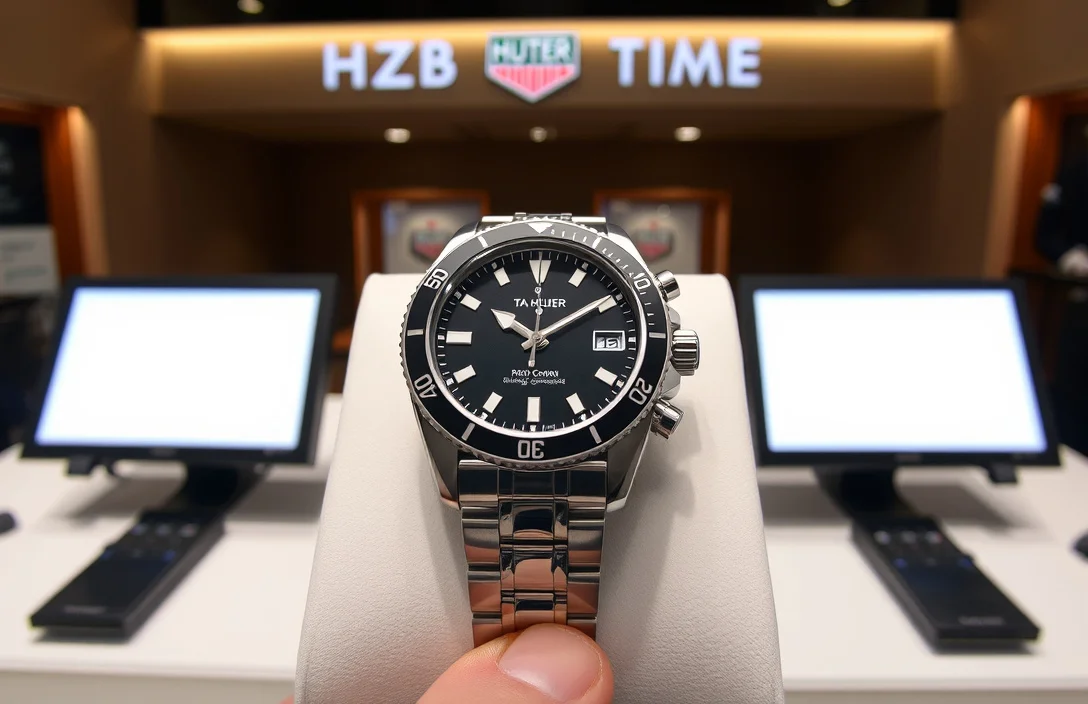
Sizing a Tag Heuer pin-and-collar bracelet rests on accurate wrist measurement, matching pin diameter to the collar bore, and careful testing. Follow these prerequisites, steps, and checks to size confidently. You’ll measure, test, adjust, and document the final length for future reference. The result is a bracelet that moves with your wrist and stays secure.
Pin and collar sizing depends on wrist circumference, link spacing, and the collar bore. Use a precise tape, verify with a fit test, and adjust in small increments. A modern approach minimizes slack and prevents binding while preserving comfortable movement.
Key Takeaways
- Baseline length: start with wrist circumference plus 6-8 mm for comfortable movement.
- Measure twice: take two independent wrist measurements and compare for consistency.
- Pin match: confirm pin diameter matches the collar bore per the manufacturer’s spec.
- Test fit: wear for 5-10 minutes to check for binding or slipping.
- Document final size: write down the exact length and the model reference for future sizing.
- Check clasp action: ensure the clasp engages and releases without forcing the bracelet.
Prerequisites for sizing a pin and collar bracelet Tag Heuer
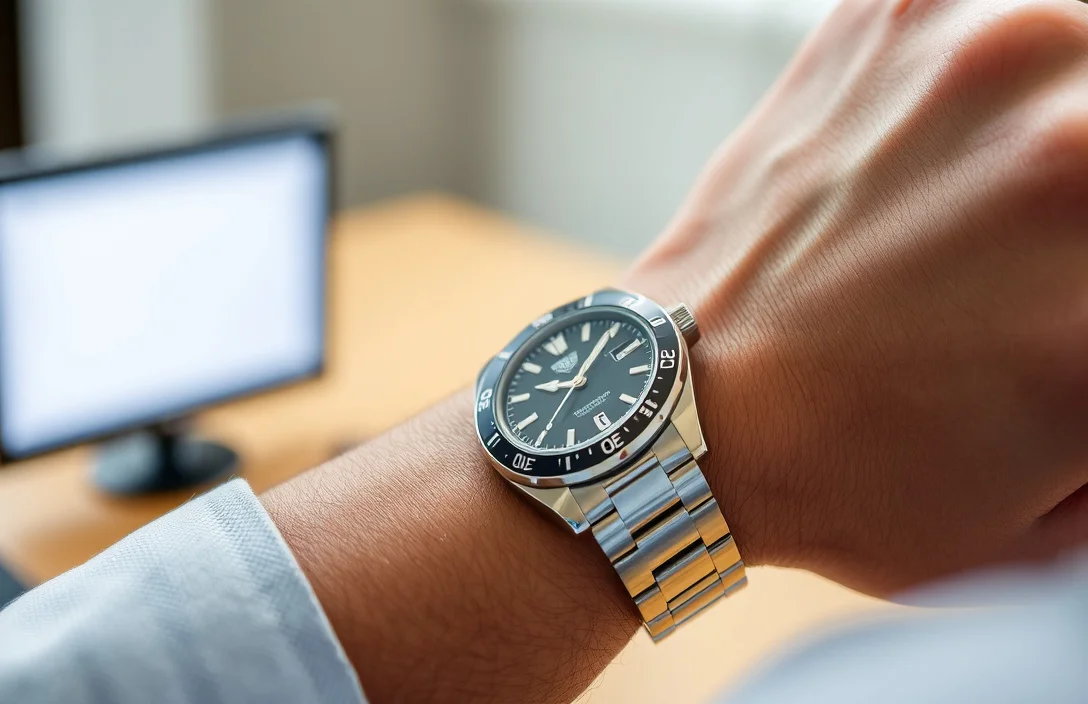
Know what you’re sizing. Identify the exact Tag Heuer bracelet model and confirm whether it uses a pin-and-collar construction. Having the correct model name helps you access the manufacturer’s specs or service notes, which saves time later. You’ll need a clean workspace, a few simple tools, and a plan for testing fit.
Start with a clean bracelet, a stable work surface, and the right measuring tools. A flexible measuring tape or calipers give precise wrist and pin measurements. Keep a small notebook or digital notes to record baseline numbers, adjustments, and the final length you settle on. With these in place, move from theory to a repeatable sizing workflow.
You might start by confirming that your wrist measurement sits between standard small and medium band lengths, then plan test fits with extra links or removals to reach the target length. The aim is to avoid guesswork and rely on verifiable measurements and controlled test fits. A well-documented process pays off when you switch models or seasons.
Measure your wrist accurately
Measure a resting wrist. Wrap a flexible tape around the wrist bone, not the hand, snug but not tight. Note the circumference in millimeters or inches, and take a second measurement at a different time of day to catch swelling or activity-related changes.
Translate that measurement into bracelet length. Add the recommended comfort slack to the baseline – typically a few millimeters to allow movement and to prevent binding at the collar. If you wear gloves or anticipate more active use, adjust the slack accordingly. The goal is a secure fit that doesn’t pinch or restrict motion.
In practice, measure twice, compare results, and choose the larger value as your starting baseline. Testing now helps you avoid ordering the wrong length. The initial measurement guides the rest of your sizing, including link adjustments and clasp placement.
Understand pin and collar configuration on your Tag Heuer bracelet
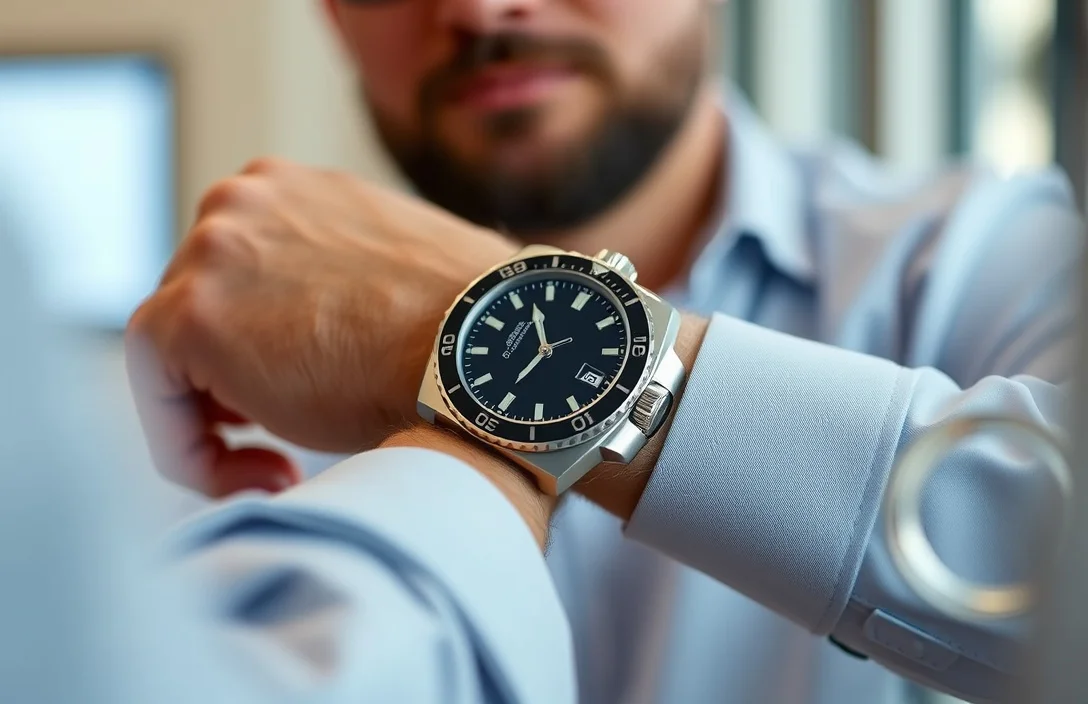
Inspect how the pins and collars sit within the links. Pin and collar systems rely on a pin passing through holes or sleeves in adjacent links, with a collar providing a stable seating surface. Orientation matters; the collar may have a preferred face or groove that aligns with a specific link. Misalignment causes binding or uneven wear.
Check the current bracelet length by counting the visible links from end to end and noting any extra links near the clasp. Some Tag Heuer models use removable links that you can adjust with a pin removal punch or small pliers. If you’re unsure, photograph the setup and compare it to official service diagrams from Tag Heuer support or a trusted retailer. A correct initial assessment saves backtracking later.
When you identify the orientation and the bore size for the pin, you’ll be better prepared to select the right extra links or identify the need for a slightly different pin length. This upfront understanding reduces trial-and-error and speeds sizing.
Sizing method: step by
- Gather the kit: a flexible tape measure, calipers or a precise ruler, a small non-marring mallet or pin pusher, and a clean work surface.
- Record baseline: take your wrist measurement and add the recommended comfort slack to establish a target length.
- Inspect components: check the collar bore and pin diameter against the manufacturer’s specs; note wear or burrs.
- Assemble cautiously: if testing with spare links, insert the pin and collar with gentle pressure to check fit without forcing parts.
- Test fit on wrist: wear the bracelet for 5-10 minutes, moving normally to evaluate movement, comfort, and clasp operation.
- Iterate if needed: if the bracelet binds or slips, add or remove links in small steps and re-test.
For many wearers, one or two iterations yield a reliable length. If fit isn’t improving, re-check measurements or consider a professional sizing service. A precise approach minimizes future adjustments.
Common fit scenarios and adjustments
Wrist swelling during the day or with temperature changes requires a looser fit. You may prefer a closer fit for formal wear and more room during activity. If you wear gloves, allow a touch more slack to accommodate finger movement. Seasonal changes, hand size variation, and different shirt cuffs affect sizing.
Adjusting a pin and collar bracelet often means altering the number of links or shifting the clasp position. If the clasp rubs or binds, recheck the alignment and try a different link within the same overall length. Re-test after any change to ensure comfort through daily activities.
- Slender wrists: baseline plus minimal slack; test movement through a full day.
- Athletic use: allow more slack to avoid constriction during activity.
- Swollen-to-normal transitions: plan for two sizes or a reversible approach with removable links.
- Seasonal changes: keep a reference size for winter and adjust for summer if swelling is typical.
Examples: real-world sizing cases
A mid-size wrist found the baseline too tight after a day of work; adding one link and re-testing improved comfort without compromising security. Document the final length and start future sizing with a longer baseline.
In sports, slight binding near the collar occurred; lengthen slightly and re-check clasp reach for easy engagement during activity. These cases show controlled testing and documentation enable repeatable results.
Practice with real-world trial and error: measure, test, adjust, and record. Avoid over-tightening or over-loosening and keep the bracelet in good condition. Real-world sizing benefits from a methodical approach and swapping small link counts to hit the right balance.
Troubleshooting and pro tips
Common issues include binding at the collar, clasp misalignment, or slippage. Start by cleaning the pin bore and inspecting for burrs or corrosion. If you notice uneven wear, replace worn pins or collars and re-measure.
| Issue | Likely Cause | Fix |
|---|---|---|
| – | – | – |
| Bracelet binds at wrist | Collar bore misalignment or burrs | Clean bore, re-seat pin, and ensure collar sits flush |
| Clasp sticks or is hard to engage | Clasp position or wear | Move clasp to adjacent link or replace impacted links |
| Bracelet feels loose during activity | Slack too high for the intended use | Remove a link or reposition clasp to tighten slightly |
| Pin or collar shows wear | Repeated insertion and removal | Replace worn pin or collar and re-test fit |
| Uneven movement | Unequal link lengths or misaligned pins | Re-measure, swap to correctly aligned links, re-test fit |
Care and maintenance extend the life of your Tag Heuer bracelet as much as sizing itself. After sizing, wipe the bracelet with a soft cloth to remove oils and sweat. If you resize often for seasonal hand changes, keep an extra link kit or consult a professional for a more durable adjustment.
Next steps and ongoing maintenance: keep your sizing notes, including the final length and the model reference, in a small notebook or phone note. If you anticipate ongoing changes, set up a routine check every few months and re-test the fit. When in doubt, a professional sizing service can ensure the alignment and bore tolerances meet Tag Heuer standards.
For the practical takeaway: the right length comes from careful measurement, a deliberate test period, and precise documentation. The goal is a bracelet that stays secure without restricting motion. If you suspect you need more than a minor adjustment, schedule a professional sizing to confirm the exact pin and collar tolerances for your model.
FAQ
How much does sizing a Tag Heuer pin and collar bracelet cost?
Costs vary by location and model complexity. A professional sizing typically falls in the moderate range for a single routine adjustment. At-home tooling incurs no service fees, but you may need to replace worn parts and spend time ensuring accuracy.
How long does sizing take?
Home sizing takes about 20-40 minutes, including measurement, inspection, a test wear, and a final adjustment. A service center turnaround is 1-2 business days for assessment and any parts replacement.
Is it safe to resize at home?
Yes, with care. Use non-marring tools, avoid forcing pins, and work on a clean, stable surface. If you encounter resistance or uncertainty, stop and seek professional help to avoid damage.
What tools do I need to size a pin and collar bracelet Tag Heuer?
A flexible tape measure, calipers or a precise ruler, and small jewelry pliers or a pin punch. A soft cloth for cleaning and a notebook to track measurements help a lot.
What is a common mistake when sizing a pin and collar bracelet Tag Heuer?
Sizing too aggressively without re-testing can cause binding or clasp failure. Always test the fit after each adjustment and document changes for future reference.