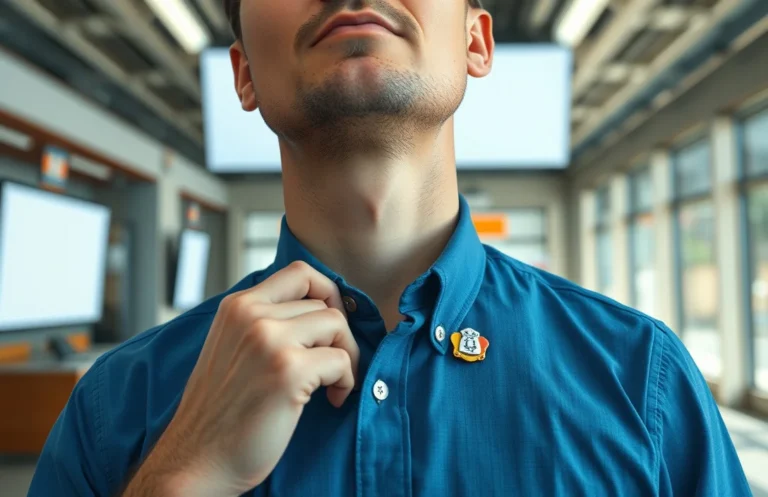

How To Properly Wear A Collar Pin?
A collar pin elevates a shirt line, but it only works with the right shirt, pin, and precise placement. Incorrect alignment can lead to discomfort, wrinkles, or a ruined look. This guide provides a practical plan for wearing a collar pin with confidence.
Collar pin placement occurs through the holes between the collar points, sitting just below the knot height. It should draw the collar points together without pinching skin or crowding the tie fabric. Use a shirt with intact holes or a collar bar as an alternative. This setup pairs best with classic point or semi-spread collars and occasions that require a sharp, deliberate line.
Key Takeaways
- Placement must be precise. Position the pin between the collar points, about 1-2 inches below the knot.
- Shirt holes matter. Only use shirts with functional holes between the points to avoid misalignment.
- Back support is essential. A pin with a back clasp should lie flat to prevent jabbing.
- Tie sits above the pin. The knot should rest on top of the pin without crowding.
- Consider alternatives. If holes are missing or you dislike pins, try a collar bar or skip the pin for that look.
Why Wear a Collar Pin?

A collar pin creates a clean, uninterrupted line from the collar to the tie, visually elongating the neck and adding a formal polish. It prevents the collar points from flaring and anchors the tie knot for a neat appearance throughout the day. The pin should subtly catch light without drawing attention.
A collar pin is more formal and less forgiving than accessories like a tie clip. It requires a compatible shirt and can poke if misaligned or if the wearer moves aggressively. Practice at home before a big event to avoid surprises.
Best candidates for collar pins are shirts with traditional collars that have small, defined holes between the points, paired with a slim tie and a knot that doesn’t overpower the pin. When used correctly, the effect appears intentional and understated.
Prerequisites
Confirm you have the right setup before trying the pin. A collar pin thrives on precision and compatible hardware. These prerequisites help you avoid common mistakes.
- Proper shirt. A dress shirt with two small holes between the collar points is essential. Torn or missing holes prevent correct placement. A clean, pressed collar ensures even seating for the pin.
- Appropriate collar style. Classic point or semi-spread collars work best; very wide spreads reduce the pin’s visual balance. A loose collar makes the pin migrate.
- Right pin type. Choose a collar pin that passes cleanly through holes and has a secure back to hold it in place. Pins without secure backing can jab or shift during wear.
- Tie and knot compatibility. A tie with a moderately sized knot should sit above the pin; large knots can obscure the pin or create bulk under it.
- Clean, dry hands and shirt. Oil or sweat can cause the pin to slip and make holes less distinct. Dry surfaces prevent misalignment during insertion.
How to Wear a Collar Pin
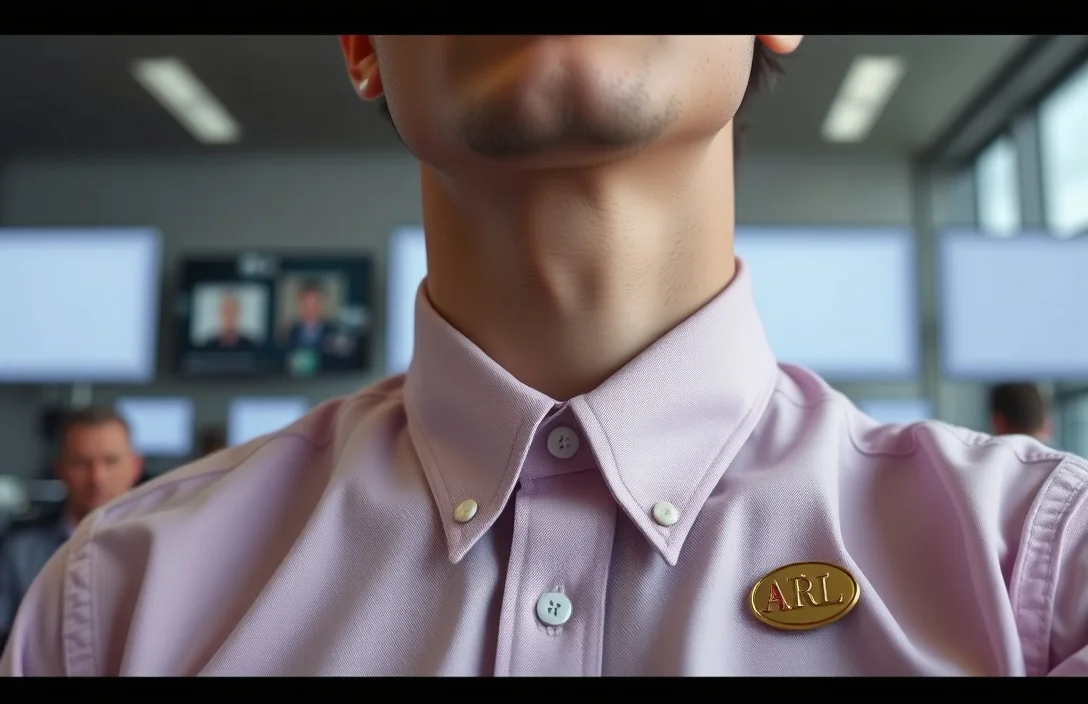
Consider whether you’ll pin before or after tying the knot. Pinning beforehand gives you a fixed anchor; pinning afterwards helps align with the knot. Confirm the collar is flat and the points are evenly spaced before starting.
- Prepare the shirt and tie. Ensure the collar points align and choose a knot height that places the knot well above the pin. Start with a standard four-in-hand or half-Windsor knot.
- Find the correct location. Position the collar so the two holes align with the points, using the knot’s midpoint as a vertical guide. Aim for 1-2 inches below the knot, adjusting for your frame and collar stiffness.
- Insert the pin through the holes. Push the pin through both collar holes from front to back. The decorative or capped end should be visible on the front side, with a secure back on the inside. If the pin doesn’t sit flush, back it out and reinsert at a slightly lower height.
- Secure the back. If your pin has a back clip or cap, slide it into place to prevent rotation. The back should lie flat against the skin or inner fabric.
- Set the knot. Tie your knot so it sits above the pin. The knot should not press into the pin but rest cleanly on top or beside it, depending on the collar’s spread.
- Final check. Stand and rotate your head to test comfort and movement. Ensure no fabric is forced against the pin, and that the collar points stay aligned and smooth.
Practice a few times with a spare shirt before an important event. Aim for a quiet, confident line, not a gimmick. With practice, placement becomes automatic.
Common Mistakes and Fixes
Even experienced wearers can slip up. Common errors are easy to fix once identified. Remove the pin carefully if discomfort arises, then reposition it lower or adjust collar holes. A tiny adjustment can prevent discomfort or a crooked collar.
- Too high on the collar. If the pin is above the knot, the collar may flare. Move the pin lower, about 1-2 inches below the knot, and retie if necessary.
- Too low or off-center. If the knot looks misaligned, shift the pin upward toward the knot until the points draw together evenly.
- No back support. A bare pin can jab or snag fabric. Use a back cap or select a pin with secure backing.
- Pin through damaged holes. Torn holes create wobble and loosen the overall look. If holes are compromised, avoid the pin or switch to a collar bar.
- Incompatible tie knot. A bulky knot on top of the pin can cause interference. Choose a lighter knot or adjust the tie height.
Get feedback from a mirror first and test during a regular day at work. If discomfort arises, remove the pin and opt for a collar bar or skip it for the day. The goal is a clean, precise line that feels natural.
Variations and Alternatives

Collar pins aren’t one-size-fits-all. You can achieve a similar effect with various options depending on collar style, event formality, and personal preference.
- Collar pin (hole-through). Passes through two holes between the points, ideal for traditional suits with defined holes. It creates a strong line and pairs best with slender ties.
- Collar bar. Slides between the collar points behind the knot, reducing the risk of poking skin. Best for collars without clean holes or for a modern look.
- Pinless collar enhancer. Clips or decorative studs achieve visual lift without fabric penetration. A safe option for beginners or fragile collars.
- Handle with clean hands. Wipe with a soft cloth if touched by sweat or oil to prevent tarnish.
- Store safely. Keep pins in a soft pouch or dedicated box to avoid scratches or bending.
- Clean periodically. Use gentle metal cleaner or mild soap for decorative pins. Dry thoroughly afterward.
- Inspect for wear. Look for bending or rough edges before use. Retire or repair damaged pins.
- Assess your collar. A stiff collar with crisp holes suits a hole-through pin. For delicate collars or worn holes, a collar bar or pinless option is safer.
- Match your tie width. The pin’s height relative to the knot is crucial. Align the pin with a mid-width knot for balance.
- Consider formality. A collar pin adds intentional refinement for ultra-formal events but may feel out of place on casual days.
- Test fit before a big day. Try the setup at home and move around to confirm comfort and stability.
- Practice with a spare shirt to minimize surprises during important events.
- Always start with a clean, dry collar for accurate alignment.
- If the collar points pull or the pin causes discomfort, stop and recheck your setup.
- When in doubt, opt for a pinless or collar bar for easier wear and reliable results.
| Alternative collar hardware. Some styles use a short post and back plate, combining a pin-like effect with built-in support for added security. | Type | Best For | Pros | Cons |
|---|---|---|---|---|
| Collar pin (hole-through) | Classic, formal looks | Strong, crisp line; traditional aesthetic | Requires clean holes; potential skin contact if misaligned | |
| Collar bar | Modern, easy adjustment | No hole required; low risk of poking | May look less subtle; can shift during movement | |
| Pinless enhancer | Beginner-friendly | No fabric piercing; quick to use | Less traditional; subtler visual lift |
Care and Longevity
A collar pin is a small metal object that sits against fabric and skin for hours. Proper care keeps it sharp and functional.
Choosing the right collar pin depends on understanding your collar and the event. For daily office wear, a pinless enhancer or collar bar often makes more sense. For formal events, a hole-through collar pin adds a refined touch.
Choosing the Right Collar Pin
Your choice hinges on collar design, formality, and comfort. If new to this, start with a collar bar or pinless option to learn how the line behaves. For a classic look, stick to a collar pin that fits your shirt’s holes and your tie’s width.
For a quick decision guide, choose a hole-through pin for traditional outfits and a bar for a modern, low-risk approach. Once you decide, maintain consistent height and alignment for each wear.
Careful Use and Practical Tips
FAQ
How do I know if my shirt can support a collar pin?
A shirt must have two functional holes between the collar points and a stiff collar. If those holes are damaged or missing, opt for a collar bar or pinless option.
Can I wear a collar pin with a wide spread collar?
Yes, but select a subtle knot and place the pin lower than with a narrow spread. The goal is to keep the line clean and not crowded.
How should I care for a collar pin to prevent tarnish?
Wipe with a soft cloth after wearing, store in a padded pouch, and clean gently with mild soap when needed. Dry completely before storing.
What’s the safest option if I have sensitive skin?
A collar bar or pinless enhancer delivers the look without skin contact, reducing irritation risk.
How do I remove a collar pin correctly?
Gently back out the pin from the back side, then slide it out from the front. Inspect holes for wear and store the pin separately to avoid scratches.
A collar pin sharpens your look if you have the right shirt and a steady hand. Start with a collar bar or pinless option if unsure, then move to a classic hole-through pin as you gain confidence. Practice makes placement precise and effortless. With the right shirt, knot, and pin aligned, you’ll notice the difference in your neck line and tie presentation.