
How To Wear Police Pin On Collar?

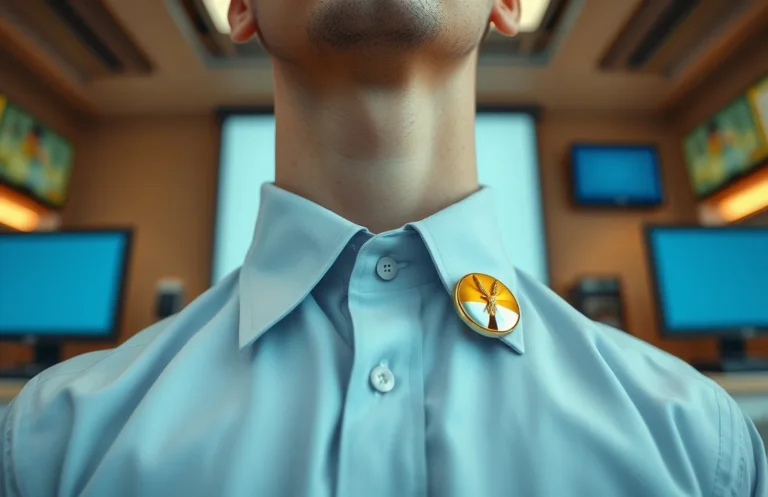
Wearing a police pin on the collar shows support or affiliation. Place it on the left collar, centered between the notch and seam, and secure it with the back that comes with the pin. Sit it about 1 cm above the lapel edge to optimize visibility, then adjust for collar width.
Key Takeaways
- Left-side placement. Put the pin on the left collar, centered between the notch and seam for visibility.
- Back style. Use the pin back that comes with the pin; butterfly clutch is common, but magnetic backs are convenient.
- Exact height. Set the pin about 1 cm above the lapel edge, then fine tune for your collar.
- Check rules first. Verify authorization and department policy before wearing with a uniform.
- Secure for events. Ensure the back stays in place to avoid loss during movement.
Pin types and guidelines
Pins fall into two families: official insignia and fashion or commemorative pins. Official pins are issued or approved by a department, agency, or affiliated organization. They reflect rank, unit, or recognition and usually have strict guidelines for wear. Fashion or commemorative pins celebrate causes, memorials, or general support and should not mimic official insignia or imply rank. If you’re unsure, ask the issuing organization for written guidelines. In practice, wear only pins you’re explicitly authorized to display with your outfit.
Consider visibility and setting when choosing. A small, low-relief pin may be fine on a dress shirt; a larger pin can overwhelm a compact collar. Materials matter: durable metal pins resist bending and stay legible after several wears. A pin that scratches fabric or leaves marks is a bad daily choice. For formal occasions, a refined, low-profile design usually looks best; casual events tolerate simpler pins.
Three common back styles appear often. The butterfly clutch back is standard and reliable for light pins. A friction or screw-back offers extra security for heavier pins or high-movement settings. Magnetic backs are easy to remove but can slip on slick fabrics. Choose based on pin weight, clothing, and how often you plan to remove the pin.
Choosing the right pin for your collar

The best pin depends on fabric, movement, and the event. A light metal or enamel pin with a secure back works well for daily wear. For ceremonial use, opt for a higher-end enamel or metal pin with a stable back and refined finish. If you wear uniforms from an affiliated organization, stick to officially approved pins to avoid misrepresentation. If you’re unsure, start with a small, simple pin and test how it sits with your collar and tie.
Evaluate three features: back type, pin weight, and design footprint. Back type affects security and how often you’ll adjust. Pin weight influences how much the pin pulls on fabric and whether it gouges. Design footprint determines visibility; a larger pin can dominate a small collar, while a tiny pin may vanish under a lapel. Match the pin to your shirt collar width and the event’s formality.
Pin types and installation methods vary, but the core idea is the same: the pin should be visible without overpowering. A correctly placed pin adds formality without drawing excessive attention. Prepare by choosing a pin that aligns with your collar’s size and the occasion. Then test the position in a mirror, adjusting slightly to balance the lapel line and any tie knot.
| Name | Back style | Pros | Cons | Best for |
|---|---|---|---|---|
| Butterfly clutch | Butterfly clutch | Simple, quick, widely compatible | Can loosen over time on active days | Lightweight pins, daily wear |
| Magnetic back | Magnetic back | Easy removal, no holes in fabric | May slip on slick fabrics | Casual outfits, removable for quick swap |
| Screw-back pin | Screw-back | Very secure, good for heavier pins | Slower to adjust, needs alignment | Ceremonial or high-movement events |
| Tie pin style | Optional tie fastener variant | Keeps pin aligned with tie line | Typically larger and more formal | Dress shirts with ties, formal occasions |
How to attach the pin?
Begin on a clean, smooth area of the left collar. Make sure the backer is not bent. Align the pin so it sits level with the collar edge and doesn’t spin when you move. Then secure the back and give a light tug to confirm it’s fixed.
1) Check the back. Inspect the backer for wear; replace if bent or loose.
2) Align the pin. Place the pin horizontally across the left collar, centered along the seam line.
3) Pierce the fabric. If needed, pierce the fabric at a slight downward angle to prevent tearing.
4) Push the back on. Attach the back that came with the pin and lock it in.
5) Test security. Gently tug the pin to ensure the back is seated and won’t slip.
6) Final check. Stand in front of a mirror and confirm the pin sits straight and prominent without catching on fabric or hair.
Work in a clean, well-lit area. If you’re wearing a tie, position the pin higher than the knot so it remains clearly visible.
Expect to refine height by trial. A slight upward adjustment can improve visibility on darker fabrics, while a subtle downward shift may reduce glare under bright lights. In crowded or moving environments, a more secure back method is worth the extra seconds.
Placement guidelines by collar type

Dress shirts with standard collars accommodate a small, centered pin just above the lapel seam. Button-down collars with a stiffer stay may need a height a touch higher so the head remains visible. Narrow collars benefit from a smaller footprint to avoid crowding the fabric or tying up the knot. If the collar has a pronounced edge or a pocket, avoid overlapping these features to keep a clean line. For specialized uniforms, such as flight jackets or heavy wool coats, the pin stays on the left but may require a sturdier back or heavier pin to resist movement. Test in front of a mirror and adjust until the pin sits flush against the fabric without lifting the edge. If rules aren’t clear, ask a supervisor or the uniform officer before wearing.
Baseline: left collar, centered at the seam, about 1 cm above the lapel edge. Use this as a starting point and tailor for fabric type and movement. The goal is a consistent, comfortable look that remains visible all day.
Examples and practice
A community nurse wearing a memorial pin opts for a small, non-official pin that honors a fallen officer. It sits on the left collar with a simple, secure back, keeping the collar tidy and the pin unobtrusive while signaling support.
At a ceremony, a retiree chooses a refined enamel pin with a low profile. It sits just above the lapel seam and remains visible in photos. The butterfly clutch keeps it secure during mingling and movement, respecting the event’s tone while allowing personal significance to show.
Troubleshooting and care
If a pin falls off, replace the back immediately and reattach at the correct height. If the fabric shows wear, switch to a lighter pin or use a backing that distributes pressure more evenly. Regularly inspect the pin and back for bending or loosening. Store pins in a padded container to prevent scratches and deformation. A clean, dry environment helps keep metal finishes from tarnishing.
If you notice recurring slippage, switch to a screw-back or magnetic back with stronger grip. Test different fabrics – silk, cotton, wool – to see which holds the back best. In rain or high-movement settings, choose pins with a heavier backing to prevent movement. Re-seat during an event if needed to avoid embarrassment.
Etiquette and legality
Wearing a police pin should reflect respect and authorization. Civilians should avoid pins that imitate official insignia or imply rank. When in doubt, confirm with the issuing organization or the venue’s guidelines. It’s better to wear a clearly non-official pin than risk misrepresentation or misuse of official symbols.
Context matters. A formal ceremony may call for a refined pin with a low profile and secure back. A casual community event can accommodate a larger, simpler pin, provided it’s not distracting. Prioritize authenticity and clarity over personal style. When allowed, a tasteful pin conveys support without confusing authority.
Care, storage, and replacement
Keep pins dry and clean, then wipe with a soft cloth to maintain the finish. Store pins in a padded container to prevent scratches or bending backs. If a backing wears out, replace it with an identical or compatible back to maintain secure installation. Regular checks ensure pins stay straight and sturdy through wear.
If a pin is damaged beyond repair, replace it with an approved alternative. Don’t bend the pin stem or back to force a fit. A damaged pin can snag fabric or cause injury, so replace it promptly. Routine inspection and orderly storage extend the life of your pins and the look they project.
Practical verdict and next
Choose an authorized pin, wear it on the left collar, and secure it with a back that matches your fabric and activity level. Practice in front of a mirror, test for comfort, and verify local rules before wearing with a uniform. Next: confirm the pin’s authorization, pick a back style that fits your collar, and rehearse the placement once before an event.
FAQ
Can I wear any police pin with a standard shirt?
Yes, but only wear pins you are authorized to display, and ensure the design doesn’t imitate a rank insignia. Authorization is the key. Verify with the issuing organization to avoid misrepresentation.
How long does it take to attach a pin properly?
Typically 20 to 40 seconds, depending on back style and fabric. A secure back adds 10-20 seconds but greatly reduces loss risk. Security beats speed.
Is wearing a police pin legal for civilians?
Rules vary by jurisdiction and organization. In many cases civilian pins that honor service or support are allowed, while impersonation is not. Check local guidelines.
How do you remove a pinned police pin safely?
Gently lift or unscrew the back, then slide the pin out from the fabric. Store the pin in its case to prevent loss. Avoid yanking the pin.
What if the pin falls off during an event?
Stop and reattach with a new backing if possible, or replace the pin. Consider a heavier back or alternate attachment for high-movement settings. Re-seat immediately.