

How To Size A Pin And Collar Bracelet?
Sizing a pin and collar bracelet means removing the exact number of links and reseating the collars so the bracelet sits comfortably on your wrist. It’s precise work, not guesswork. You’ll need a clean workspace, good lighting, and tiny tools that let you handle pins and collars without bending parts or losing small pieces.
Pin-and-collar sizing is repeatable but fiddly. Start with a plan: know how many links to remove, and which side you’ll shorten first to keep symmetry. With the right approach, you can get a secure fit that lasts without tools slipping or collars jumping out of place.
Pin-and-collar sizing is a repeatable process: remove 1-2 links, rejoin, test fit, and repeat until the bracelet sits comfortably. You’ll work slowly, verify each step, and stop as soon as the fit is right. A clean bench, good light, and a pair of precision tweezers make the difference between a tight, safe fit and a damaged collar.
- Prepare the right tools. Gather a pin-pusher, tweezers, a bench block, bright light, and a magnet-safe workspace.
- Plan the adjustment. Decide how many links to remove before touching the bracelet to avoid over-shortening; start with 1-2 links.
- Work in clear light. Use a clean desk and loupe; misalignment causes collar misfit.
- Test fit progressively. After removing each link, try the bracelet on; stop when it feels snug but comfortable.
- Handle collars with care. Use tweezers to avoid bending collars; damaged collars ruin tension.
- Document changes. Note the final link count and the orientation so you can reassemble correctly.
What a pin-and-collar bracelet is
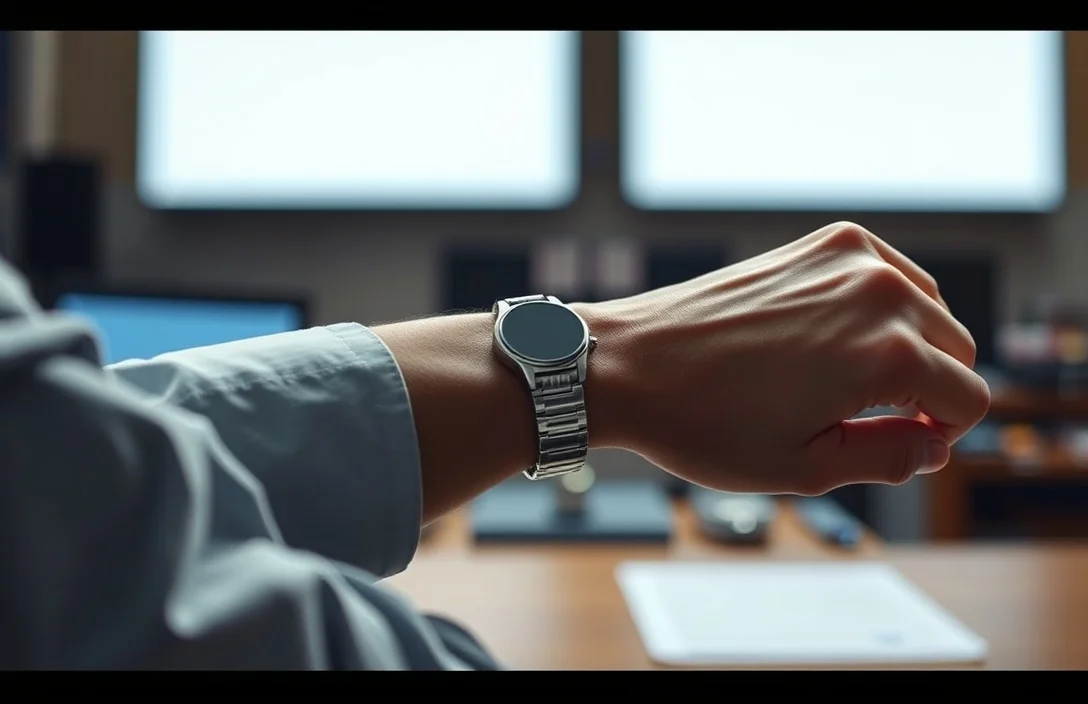
A pin-and-collar bracelet uses a smooth pin that passes through linked holes. Inside each link sits a tiny collar; the collar sits in the hole and grips the pin when pressure is applied. Sizing moves consist of pushing out pins, removing or adding links, and reassembling so the collar seats fully around the pin. The system is strong, but delicate to adjust, especially if collars or pins bend or twist during handling.
In practice, you’ll identify how many links you need to remove, detach them carefully, and then reinsert with the collars seated firmly. The goal is a uniform lay around the wrist with no gaps or protruding edges. The process benefits from steady hands and a plan, because one miscount can throw off fit and symmetry.
Prerequisites and tools
Before you grab a tool, confirm the bracelet truly uses a pin-and-collar design. Some brands use alternative pin styles or separate collars that fit tightly only in specific link holes. If you’re unsure, photograph a cross-section of the bracelet with a clear view of the pin opening and collar inside the link; it will guide your tool choice and technique.
Tools make or break the job. You’ll want a dedicated pin-pusher tool, a small hammer or push, precision tweezers, a bench block or rubber mat to protect links, a loupe or magnifier, and a small container to cradle tiny collars and pins. A non-magnetic set of pliers helps control metal parts without marring finishes. Lighting matters: aim for at least 1000 lux of shadow-free brightness on the work area. Use a tray to keep parts from rolling away, and a soft cloth to protect the bracelet’s finish.
Tools and uses table
| Tool | Purpose | How to use | Common pitfall |
|---|---|---|---|
| Pin-pusher | Remove/partially push pins | Align with pin head, apply steady pressure to expose the pin | Pushing too hard can bend the pin or push it into the collarPrecision tweezers |
| Bench block or rubber mat | Protects parts and gives a stable surface | Place bracelet on block, press pins straight | Uneven surface causes misalignment |
| Loupe or magnifier | Aids visibility of tiny collars | Inspect collar seating before final seating | Poor focus hides misalignment |
| Small hammer or push tool | Final seating of pin and collar | Light taps to seat the pin flush | Over-hammering can crush collars |
| Non-magnetic pliers | Handle metal parts safely | Grip links while keeping hands clear of pin path | Magnetic tools attract small parts |
| Small container | Collects collars, pins, and links | Keep pieces organized during the process | Loss of tiny componentsStep-by-step sizing guide |
A clear plan makes the difference. Start with a photo reference or a note on how many links to remove, then proceed methodically. If you can, size only on one side first to preserve symmetry; if needed, shift the same number of links from both sides.
1) Measure the wrist and mark the target length. Put the bracelet on and note how many links feel extra or tight; use a flexible tape to confirm your target length.
2) Identify the first removable links, and determine a symmetrical plan. Decide which side to shorten first to preserve even look around the clasp.
3) Partially push the first pin to expose the tool contact. Use the pin-pusher to nudge the pin head out just enough to grab with tweezers.
4) Remove the pin and take out the first link. Place the pin and link away from the work area to avoid loss.
5) Repeat for the second link if planning more removal, keeping symmetry in mind. Do not rush the process; ensure the holes line up cleanly.
6) Remove the corresponding number of links from the opposite side if you’ve planned equal adjustment there. Maintain orientation so the clasp sits properly.
7) Reassemble by sliding collars into position, aligning the holes, and seating the pin through both links with a light, even pressure. Stop when the pin sits flush and the collar is snug.
8) Test the fit on your wrist. If tight by a fraction, remove and re-seat a single link. If loose, add one link back and re-seat as needed.
9) Inspect for sharp edges and collar alignment. Use the loupe to confirm collars sit evenly, then wipe the surface to remove fingerprints or debris.
In practice, the exact number of links you remove varies with wrist size and bracelet design. For many wrists, 1-2 links on one side plus a matching 1-2 on the opposite side yields a balanced look and comfortable feel. Some designs require more careful, incremental steps to keep the clasp aligned and the bracelet flat.
Troubleshooting and common mistakes
Sizing by pin and collar demands attention to detail. Miscounts, misalignment, and collar mishandling are the usual culprits. When things go off, reset and reassess before forcing parts back together. If a collar slips during reassembly, pause, remove the pin, and reseat with fresh control.
- Counting error. Remove too many links; the bracelet becomes too short. Correct by rechecking the target length and adding back the last removed link. Take your time re-measuring.
- Misalignment. Holes don’t line up after reassembly. Realign by removing the pin, shifting the links slightly, and rechecking hole alignment before reinserting the pin.
- Missing collars. A collar can fall inside a link hole during removal. Retrieve with precision tweezers and reinsert fully before driving the pin.
- Bent pin. A bent pin creates binding or misfit. Replace the pin; never hammer a bent pin back into place.
- Inadequate lighting. Shadows obscure pin head visibility. Improve lighting or move to daylight to confirm seating and alignment.
- Excess force. Hammering too hard can crush collars or warp links. Apply steady, gentle pressure until the pin sits flush only.
Brand differences and compatibility
Pin-and-collar sizing shows up differently across brands. Some watches use a thicker collar in the link, while others rely on a slim collar with tighter tolerances. Seiko-style collars tend to be robust, but you still need to hold the pin square to avoid collar creep. Oris and Mido models can use slightly different collar docking depths, which affects how easily you seat the pin.
When you encounter a new brand, treat it as a new set of tolerances rather than a repeat of a familiar routine. Start with fewer links removed, and test fit frequently. If the collar refuses to sit evenly or the link feels “sloppy” after seating, step back, remeasure, and consider professional sizing for a perfect result.
Maintenance and care after sizing
After you finish, give the bracelet a final check under light and confirm there are no burrs or sharp edges. A quick wipe with a microfiber cloth removes oil and fingerprints that can attract dirt and affect wear. Check the bracelet periodically for looseness or collar seating, especially if you wear the watch daily or subject the piece to activity.
- Inspect collars monthly for cracks or wear. Replace if you see signs of fatigue.
- Clean and lube sparingly if the design allows, avoiding oils inside the collar holes that could attract dust.
- Store the watch in a soft pouch or on a watch stand to prevent accidental bending of pins during storage.
- If you feel any pin looseness after wear, recheck the pin and collar seating; a loose pin can lead to link loss.
In practice: sizing a Seiko or Citizen pin and collar bracelet
I sized a Citizen Nighthawk bracelet by removing two links on one side, then matching two links on the opposite side to preserve symmetry. The process required careful alignment of the holes and the collars. I used a pin-pusher, precision tweezers, and a loupe to verify collar seating before driving the pins fully home. The result was a comfortable, secure fit with no collar gaps and no pin protrusion.
For a Seiko 5 Sports bracelet, the workflow is similar but you’ll encounter slightly stiffer collars that resist initial seating. With a steady hand and a few extra micro-taps on a bench block, you can seat the pin without compressing the collars. In both cases, test the fit by bending the wrist and applying gentle torque to ensure no play exists.
Next actions and quick-start checklist
If you want to start on a do-it-yourself sizing project tonight, gather the gear, lay out a plan, and proceed with caution. You’ll likely be able to size most standard pin-and-collar bracelets in under an hour with careful steps.
- Verify design. Confirm the bracelet uses pin-and-collar construction before starting.
- Gather tools. Pin-pusher, tweezers, bench block, loupe, small hammer, and a tray for parts.
- Measure and plan. Determine the target length and decide which side to shorten first.
- Execute steps calmly. Remove 1-2 links, reseat collars, and test fit after each change.
- Check final fit. Ensure collar seating is flush and there are no sharp edges or loose links.
FAQ
How many links should I remove first when sizing a pin and collar bracelet?
A1: Start with 1-2 links total, test fit, then add or remove in 1-link increments until the fit is comfortable and balanced. Small, incremental changes minimize risk of over-shortening.
Q2: Can I resize a pin-and-collar bracelet without any special tools?
A2: Not safely. You need a pin-pusher, precision tweezers, and a bench block to control collars and pins. Without proper tools, collars can bend or slip.
What if the collar pops out during reassembly?
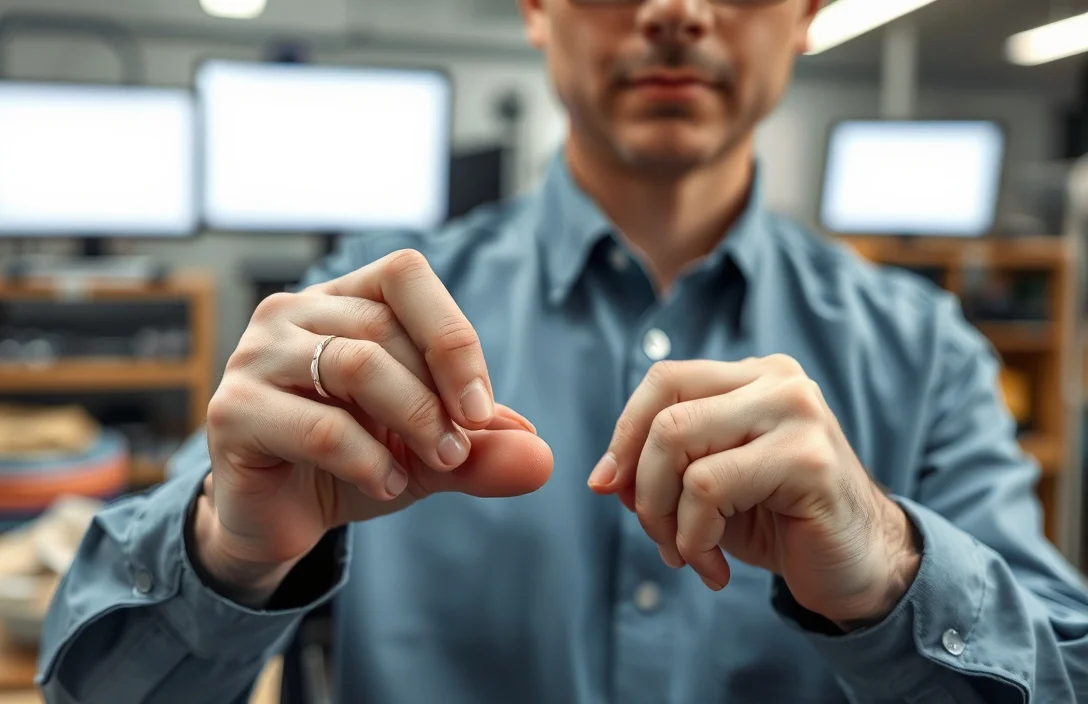
A3: Stop, retrieve the collar with tweezers, reinsert it into the hole, align the links, then drive the pin home. Keep collars aligned with the pin path.
How long does it typically take to size a pin-and-collar bracelet?
A4: Plan for 30-60 minutes for a careful, one-side first pass on most bracelets; expect longer if you’re new. Rushing increases errors.
Q5: Is sizing a pin-and-collar bracelet risky for the watch itself?
A5: The risk is mechanical wear or a mis-seated collar, not damage to the watch case. Work slowly to protect the bracelet and your watch. Quality seating matters for long-term wear.
The practical verdict
Sizing a pin and collar bracelet is worth doing yourself if you’re comfortable with tiny parts and steady hands. Start with a clear plan, gather the right tools, and work in short, careful sessions. If you hit persistent resistance, a professional sizing ensures a precise, durable result without risking collars or pins.
Next steps: set up your workspace tonight, confirm your bracelet design, and practice with a scrap piece or an inexpensive bracelet before touching your daily wear. With the right approach, you’ll master this common bracelet system and keep your watch both comfortable and secure.
Frequently Asked Questions
1. How do I determine how many links to remove from my pin and collar bracelet?
To determine the number of links to remove, first measure your wrist and try on the bracelet. Note how many links feel extra or tight, and start by planning to remove 1-2 links from one side to maintain symmetry.
2. What tools are essential for sizing a pin and collar bracelet?
You will need a pin-pusher, precision tweezers, a bench block, and a loupe or magnifier for visibility. Additionally, having a small container to keep tiny collars and pins organized is crucial to avoid losing parts during the process.
3. What should I do if the bracelet feels too tight after removing links?
If the bracelet feels too tight, you can remove and re-seat a single link to achieve a more comfortable fit. Always test the fit progressively after each adjustment to ensure you don’t over-shortening the bracelet.
4. How can I prevent damaging the collars while sizing my bracelet?
To prevent damaging the collars, handle them with precision tweezers instead of your fingers. Avoid applying excessive pressure when seating the pin, as over-hammering can crush the collars and ruin their tension.
5. What should I do if I accidentally lose a collar during the sizing process?
If you lose a collar, use precision tweezers to retrieve it from the work area. If it falls inside a link hole, carefully extract it and ensure it is fully inserted before reassembling the bracelet.