
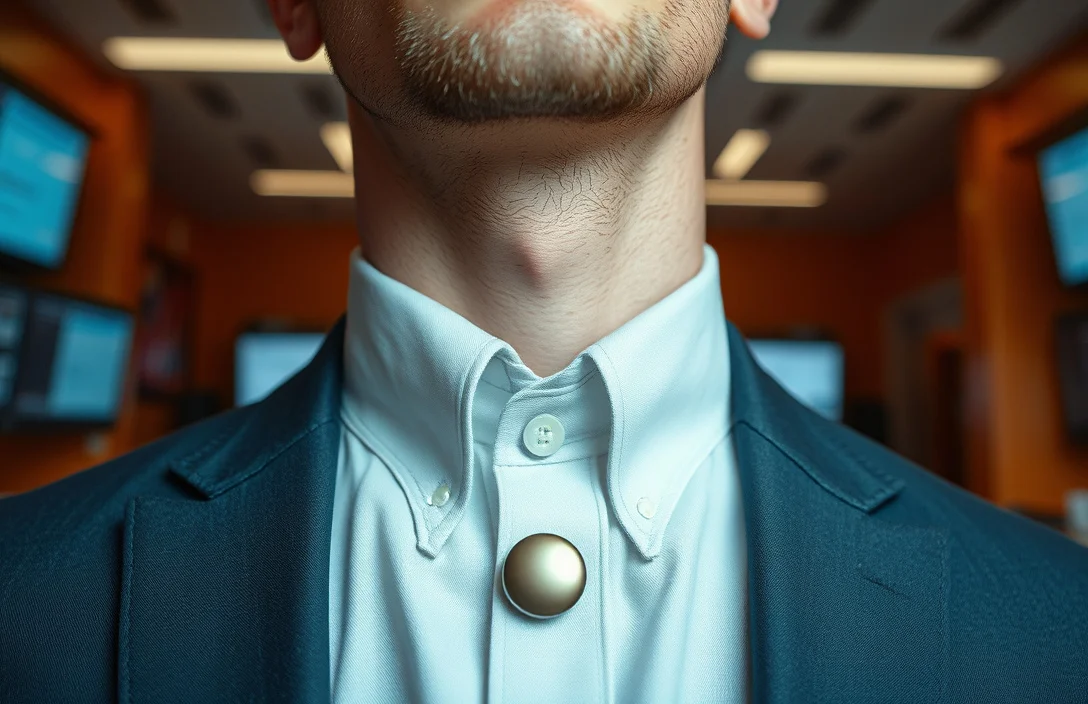
How To Wear Mens Collar Pin? Tips For A Polished Look
Mastering a collar pin instantly sharpens a formal look. A correctly worn collar pin lifts the collar points, shortens the space between the knot and the neck, and adds a clean horizontal line across the tie. It works best with a spread or semi-spread collar and a tidy four-in-hand or half-Windsor knot. You’ll need a compatible shirt, a collar pin, and steady hands.
Insert the pin through the two collar holes from the outside so the head sits on the outside and the tail anchors inside. Align the knot over the pin, then adjust to ensure both collar points lift evenly. Remove before washing or ironing.
Key Takeaways
- Prerequisites. A shirt with two intact collar holes and a collar that accommodates a pin.
- Knot height. Set the knot height so the pin sits just under the knot.
- Pin length. Choose a pin sized to fit the holes without forcing the fabric.
- Collar compatibility. Avoid rounded or casual collars; they don’t support a pin well.
- Care reminder. Remove the pin before washing and ironing to prevent damage.
- Even lift. Ensure both collar points lift evenly for a clean line.
Understanding Collar Pins

A collar pin is a slim device that passes through the two holes in the collar, creating a fixed distance between the collar points and lifting the tie knot slightly. It’s not a decorative pin; it’s a structural accessory that enhances how the shirt and tie present together.
You’ll achieve the best results with a shirt featuring a sturdy collar and two clean, unbroken buttonholes. Spread or semi-spread collars read cleanest with a collar pin because the points have room to lift without looking strained. If your collar holes are worn or unable to hold the pin securely, skip the pin for now. A weak fabric edge or misaligned hole will create a crooked line that communicates effort rather than polish.
Balancing three elements is key: the shirt collar geometry, the height of your tie knot, and the pin’s position. If the knot sits too high, the pin looks awkward and can press against the neck. If the knot sits too low, the pin’s effect vanishes. The goal is a crisp, balanced line across the collar with the knot resting comfortably above the pin.
For example, pair a spread collar with a traditional four-in-hand knot and a collar pin that sits just below the knot. This setup creates a sharper angle between the collar points and a strong horizon line where the tie meets the collar. Casual shirts or heavily buttoned collars often look forced with a pin, so reserve this for structured shirts.
When selecting a shirt specifically for a collar pin, look for a collar with a crisp, reinforced edge and aligned holes. If the collar flares or the holes are misaligned, the pin will skew the line and create an inconsistent look. A good tailor can re-sew buttonholes to tighten the frame, but that’s a longer-term solution rather than a quick fix.
How to Wear a Collar Pin
For a sharp, classic line, follow these steps. This method works best with a shirt designed for collar hardware and a tie knot sized to sit cleanly above the pin.
This technique is most appropriate for formal or business attire. Avoid it for ultra-casual ensembles where a collar pin feels out of place.
1) Check shirt readiness. Inspect both collar holes for integrity and alignment. If either hole is stretched or torn, the pin will sit unevenly and ruin the look.
2) Prep the knot height. Decide where your knot will rest relative to the collar. The knot should sit just above the pin, not below it, to keep the line visible and clean.
3) Insert the pin from the outside. Push the pin through the left collar hole, then through the right hole, so the head sits on the outside of the collar. Stop once the head is flush against the fabric.
4) Ground the inside. The tail of the pin should sit flush on the inside of the collar without poking through or shifting. If the tail is loose, readjust the pin for a snug fit.
5) Align the collar points. Gently rotate or shift the collar so the points lift evenly and the horizontal trace of the pin visually balances across both sides.
6) Set the knot. Slide the knot so it rests above the pin. Check that the knot sits centered with the tie and that the collar line reads straight from the chest outward.
7) Final check. Look in profile to ensure the pin does not press into the neck and the collar points rise uniformly. If the line looks uneven, remove the pin and reinsert with careful alignment.
For practice, test the setup in front of a mirror from three angles: front, left, and right. Subtle asymmetry is easy to miss without a visual check. If you plan to wear this setup all day, do a quick seated-and-standing check as well, since body movement can alter how the line sits on the neck.
Choosing the Right Collar and Shirt
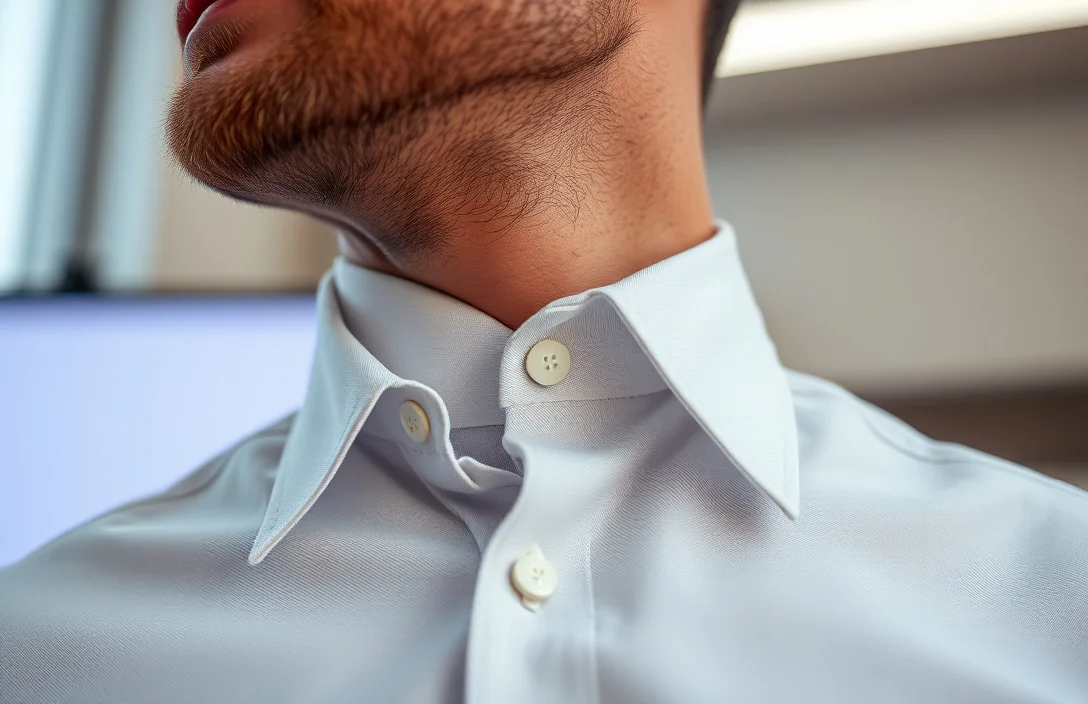
Not all collars tolerate collar pins well. The most forgiving are spread and semi-spread collars made of firm fabric. Point collars with very long points can still work, but the pin may disrupt the line if the knot sits too close to the collar. Soft or club collars are generally a bad match because their structure gives, creating a misaligned look with a pin.
Shirts with overly stiff fabric can hold a pin securely, while ultra-thin or delicate fabrics risk tearing or puckering around the holes. If your shirt wasn’t designed for collar hardware, consult a tailor about reinforcing the collar holes or selecting a gentler alternative like a collar bar, which distributes pressure more evenly and reduces the risk of fabric damage.
A good test: try the pin with a trusted dress shirt you wear for formal occasions first, and skip the pin for shirts with worn holes or inconsistent stitching around the collar. If the shirt has a removable or detachable collar, the pin is typically not ideal because the structure shifts with movement.
To help you decide between a collar pin and a collar bar, here is a quick table:
| Name | Pros | Cons | Best For |
|---|---|---|---|
| Collar Pin | Lifts collar points for a crisp look; creates a distinct line under the knot | Can damage delicate fabrics; requires two solid collar holes | Classic formal wear with sturdy shirts |
| Collar Bar | Evenly distributes pressure; easier to secure; less risk on fragile fabrics | Less dramatic lift; may feel restrictive | Shirts with weaker holes or delicate fabrics |
This highlights why many enthusiasts reserve pins for well-made shirts with sturdy collars. If you doubt the holes or fabric, try a collar bar first to achieve the desired line without risking damage.
Outfit Ideas and
The collar pin reads best with a controlled, tailored look. A clean, monochrome palette keeps the line uninterrupted and highlights the collar’s geometry rather than competing colors.
Business formal pairs well with a navy or charcoal suit, a white or light blue shirt, and a crisp knot. The collar pin creates a strong, architectural line that communicates intent and polish without shouting. For a wedding or black-tie event, keep accessories simple and let the collar pin stand as the hero detail.
Mix a few pieces to adjust the look. A charcoal suit with a crisp white shirt and a subtle striped tie reads classic yet modern. A mid-gray suit can pair with a pale shirt to let the line of the pin carry the eye. For a conservative look, choose a solid tie and avoid busy patterns that fight for attention.
Outfit ideas:
- Formal business day: Navy suit, white shirt, simple charcoal tie, collar pin positioned high enough to lift the collar points without crowding the knot.
- Evening wedding guest: Charcoal or midnight blue suit, pale blue shirt, solid or lightly textured tie, and collar pin used to emphasize a clean, vertical line.
- Smart-casual edge: Dark wool blazer, light gray shirt with a semi-spread collar, no tie, and a collar pin to define the collar’s angle while keeping the look approachable.
When integrating a collar pin, keep jewelry and accessories minimal. The pin is a statement by itself, so avoid stacking shiny accents at the neck area. The result should feel deliberate, not fussy.
Troubleshooting and Common Mistakes
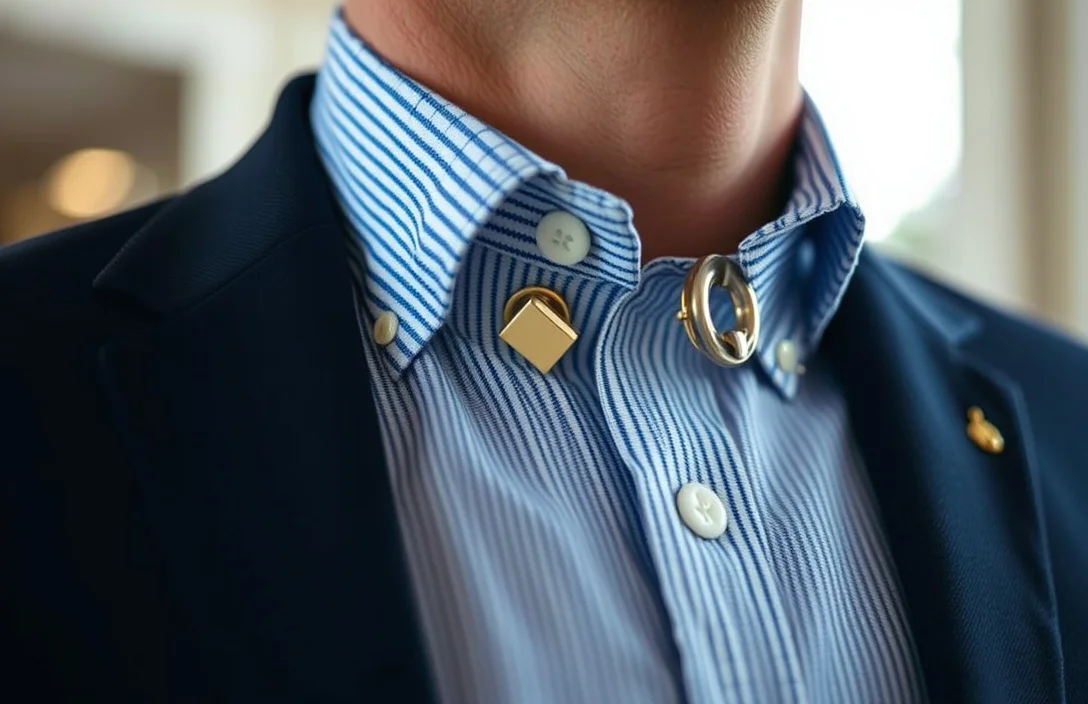
Missteps are easy to make, but they’re fixable with a quick recheck. The main issues are misalignment, fabric stress, and an off-height knot that disrupts the line.
Common mistakes and fixes:
- Pin sits too high or too low: Reinsert at a different height so the knot sits directly above the pin without crowding the collar.
- Holes begin to distort or tear: Stop using the pin on this shirt and consider a collar bar or a different shirt with sturdier holes.
- Collar points don’t lift evenly: Readjust the collar around the pin until both sides rise in unison.
- Knot obstructs the pin: Change the knot height or switch to a smaller knot to keep the line crisp.
- Pin creates visible bulges at the neck: Avoid wearing with heavy or bulky ties; switch to a lighter knot or a thinner tie.
Balance is key. The pin should enhance the line without appearing forced. If the look feels contrived, reconsider the shirt choice, knot height, or consider skipping the pin for that day.
Care, Removal, and Maintenance
Removing the collar pin is straightforward, but do it carefully to protect both the shirt and the pin. Gently slide the pin back toward the outside through the hole, then pull it out evenly to avoid tearing the fabric. Store the pin in a soft pouch or small ergonomic case to prevent bending or dulling the head.
Care for the shirt remains the same as any dress shirt. Remove the pin before washing and avoid machine washing with the pin in place, as it can snag the fabric. If you notice pilling or wear around the collar holes, consider reinforcing the holes with a tailor or switching to a collar bar, especially if you wear a collar pin regularly.
Regular inspection helps too. Look for frayed edges around the holes and ensure the pin head remains smooth and unbent. A bent pin can slip or scratch the skin, while a rough head can snag delicate fabrics. Replace the pin if needed instead of forcing it through damaged holes.
Storage matters. Keep collar pins in a dedicated, padded case to prevent accidental bending or scratching. A soft fabric pouch or a small hard case works best, especially if you travel with a collar pin in your bag.
Next Actions and Practice
Start testing the collar pin at home with a trusted dress shirt that has sturdy holes. Practice inserting and removing the pin a few times to get a feel for the correct height and alignment. Once you can do it smoothly, try a full day wearing the look in a controlled setting like the office.
To refine your technique, schedule a quick fitting with a tailor. A pro can assess your collar’s compatibility, hole integrity, and how a pin affects the lines of your tie knot. The tailor can also reinforce collar holes if you plan to wear the pin regularly, reducing the risk of wear over time.
As you gain comfort, document your favorite combinations. Note which knot heights and collar types consistently deliver the cleanest line. A small reference card tucked in your wallet or a note in your phone can remind you of optimal pin placement for different shirts and suits.
FAQ
What exactly is a collar pin and what does it do?
A collar pin is a small device that passes through the two holes in a dress shirt collar to lift and separate the collar points. It creates a distinct line beneath the tie knot and adds a precise, architectural element to formal looks. It works best with sturdy collars and properly sized knots.
Can I wear a collar pin with any shirt or collar?
Not every shirt or collar works well with a collar pin. It’s most effective with spread or semi-spread collars made from durable fabrics. Avoid soft fabrics or collars with worn holes, as the pin can warp the fabric or sit unevenly.
How do I remove a collar pin safely?
Gently slide the pin back through the collar hole from the outside, pulling evenly to prevent snagging. Once free, store the pin in a padded case to avoid bending the head. If the shirt is an everyday wear, consider taking it to a tailor for reinforcement if you see wear.