

How To Put Collar Pins In Watch?
Collar pins for watches secure a strap or collar-like attachment more firmly than standard pins. This guide offers practical steps, so you can install or swap them without damaging the case or leather. Expect a clear tool list, tested steps, and common troubleshooting.
Collar pins install with a simple press or small hammer, aligning through the lug and strap holes, and lock with a collar piece. A typical swap takes about 5-15 minutes, depending on tool quality and pin type. Always test tension with a gentle bend test afterward.
Key Takeaways
- Time required. Expect 5-15 minutes for a typical replacement with the right tools.
- Tool kit. A pin-pusher, small hammer, jeweler’s screwdriver, and loupe cover most collar-pin tasks.
- Pin types. Choose between press-fit and screw-in designs based on your watch and strap hardware.
- Check fit. Always align holes before insertion to avoid bending the pin.
- Maintenance. Clean lugs and pins after installation; inspect for wear every 6-12 months.
- Safety note. Never force a pin; forcing can nick the lug or strip threads.
—
Understanding Collar Pins and Watch Strap Hardware

Most modern watches use spring bars for strap attachment, while collar pins offer an alternative. These small fasteners pass through a lug hole and into the strap end, with a collar piece locking the assembly in place. Not every strap uses collar pins; some watches require an adapter or specific pin design for proper fit. If your strap is modern, the stock hardware likely works; if it’s vintage or specialty, collar pins provide a cleaner look and a more secure hold.
You’ll encounter two main types: press-fit collars that pop into place with light pressure and a staking tool, and screw-in collars that thread into an insert. Both keep the strap from shifting laterally but differ in application and tool needs. Verify which type your strap uses and whether the lug geometry supports it. Test in a quiet area with a soft cloth to avoid scratching.
Thin leather straps benefit most from collar pins, as they distribute load evenly, reducing elongation. Metal bracelets with collar pins are less common, but some vintage pieces employ a collar-and-pin system for a compact look. Match the pin to the lug hole diameter and strap thickness; a loose or tight pin will be immediately noticeable.
For example, a vintage leather strap may use a small collar to align the strap end with the lug edge. A modern mesh bracelet can benefit from a collar pin to prevent lateral wobble without needing to remove the bracelet for adjustments. Precise alignment and steady hands matter more than brute force in this task.
—
Tools You Need and Why They Matter
Precision tools are essential for this job. You’re not building a bike; you’re pinning tiny hardware into tight spaces. The right tool set minimizes the risk of marring the case or bending the pin. A low-magnetic workstation prevents small metal bits from scratching the finish.
Start with a clean, well-lit workspace and a soft mat to protect the crystal. A loupe or magnifier helps confirm hole alignment and pin seating. A pin-pusher or staking tool is crucial for many press-fit collars, while a tiny screwdriver handles screws on screw-in designs. A small hammer or nylon mallet allows you to seat the collar without slippage.
Tools you’ll likely use:
- Pin-pusher or staking tool
- Small jeweler’s screwdriver set
- Nylon or rawhide hammer
- Magnifying loupe or high-magnification desk lamp
- Needle-nose pliers (non-marring tips)
- Soft cloth or microfiber mat
- Replacement collar pins (your exact type and size)
- Isopropyl alcohol and a soft brush for cleaning
Prioritize quality over quantity. A precise pin-pusher, a clean micro-hone on the pin tips, and a stable magnifier make all the difference. Avoid magnetic tools unless necessary, as they can attract small parts. If unsure of pin size, measure the lug hole and strap thickness before purchasing.
Organize your tools in a shallow tray, grouping by task: alignment, insertion, and seating. Keep a small container for used pins to prevent loss. A clean, dry bench is worth the extra time spent setting up.
—
Step-by-Step: Installing Collar Pins
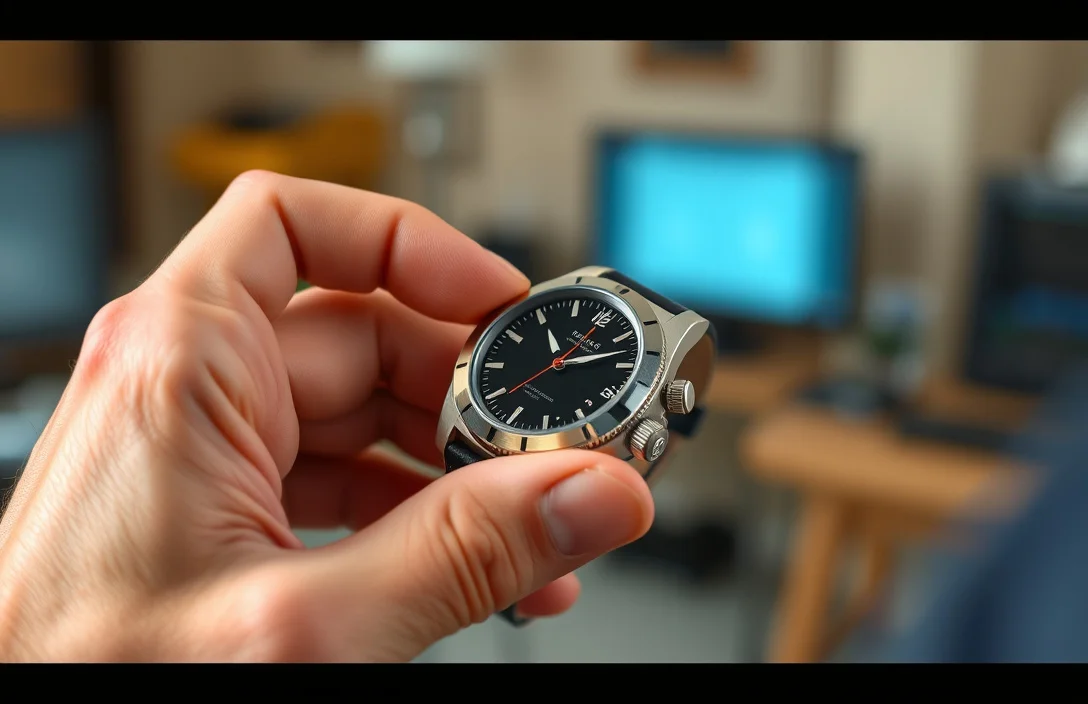
1) Inspect the watch and strap. Confirm the lug holes align with the strap holes and that you’re using the correct collar-pin design. A misfit combo can kink a strap or scratch a lug.
2) Prepare the area. Clean the lug recess and strap holes with a soft cloth; ensure no lint or dust can hinder seating. Gently file burrs with a fine abrasive only if it’s safe for the finish.
3) Align the holes. Hold the strap end flush with the lug, then align the lug hole with the strap hole. For screw-in collars, verify the threaded insert is clean.
4) Insert the collar pin. For press-fit types, use the pin-pusher to apply even pressure while supporting the opposite lug. For screw-in types, thread the collar pin into the insert with a small screwdriver until snug but not over-tightened.
5) Seat and lock. If there’s a collar piece, snap or press it into place. Wiggle the strap gently to confirm no lateral play.
6) Test and finish. Apply a gentle bend test by flexing the strap near the lug to ensure it remains seated. Wipe away fingerprints and recheck alignment after a few minutes of handling.
If a stubborn press-fit collar needs more pressure, use a controlled tap. For delicate leather straps, use a softer mallet or brass piece to distribute the load evenly. Keep the watch face up to avoid accidental impacts on the crystal.
—
Step-by-Step: Removing and Replacing Collar Pins
1) Loosen the collar. Gently support the strap and lug with one hand. Use a pin-pusher or tiny pin punch to disengage the collar without slipping.
2) Support the lug. Cradle the lug with the other hand to avoid bending it. A steady grip prevents scratches and dropped components.
3) Extract the pin. Slowly push the pin through the lug and strap, watching for resistance. If it binds, back off slightly and try again from a different angle.
4) Inspect and prepare. Check the holes for wear or elongation. If the hole is worn, widen the strap end or switch to a larger-diameter pin.
5) Install the new collar pin. Reverse the steps for insertion. Ensure the collar piece seats evenly and does not protrude.
6) Confirm the fit. Test for lateral movement and adjust if necessary. Cleaning the area after seating helps detect misalignment early.
When replacing a worn pin, consider the strap’s life cycle. A well-maintained strap with fresh hardware lasts longer than one with repeated pin flats. Practice on a less-visible spot to build confidence before tackling your primary lug.
—
Common Issues and Troubleshooting

- Pin won’t insert cleanly. The hole may be misaligned or the strap slightly off. Realign with even pressure and re-check hole alignment before retrying.
- Pin is loose after seating. The collar piece may be undersized for the hole. Double-check the size and switch to a tighter collar or slightly larger pin if possible.
- Strap end won’t sit flush. The lug recess might have a burr or the strap is too thick for the collar. Consider sanding the strap edge lightly or choosing a thinner collar pin.
- Pin locks but transfers movement under load. This indicates a loose collar or worn hole. Replace the collar and check strap ends for wear before continuing.
- Finishes get scratched during installation. Use a soft cloth and non-marring tools; avoid metal-to-metal contact that could damage the lug or case.
Always re-check after a few minutes of wearing. A quick flick of the wrist can reveal subtle shifts you might not notice right away while seated. If you encounter stubborn issues, pause, reassess, and consider swapping to a different pin type that better suits your strap’s material and thickness.
—
Maintenance and Best Practices
Regular inspection keeps collar pins reliable. Wipe down lugs after wearing in humid conditions to prevent corrosion, especially on brass or plated hardware. Avoid exposing pins to saltwater or chlorine; rinse with fresh water and dry thoroughly if necessary. Store spare pins in a dry, labeled container to prevent loss and mix-ups.
When reusing an old strap, check that the lug holes haven’t elongated from repeated pin insertion. If wear is detected, replace the strap or use a pin designed for higher load. For daily-wear items, set a 6-12 month check interval for pins and collars to catch wear early. A minute of preventive care saves days of trouble later.
Keep a small microfiber cloth handy to wipe fingerprints and oils before installation. A tidy workspace reduces the risk of losing micro-parts. Avoid lubricants on stainless steel pins; they can attract dust and cause the pin to slip over time. If unsure, consult the strap manufacturer’s guidelines before applying any product.
—
Quick Reference Guide
A structured overview helps you compare options. The table below covers common collar pin designs, their typical sizes, and ideal applications.
| Pin Type | Typical Size (Ø x length) | Best For | Pros | Cons |
|---|---|---|---|---|
| Press-fit | 1.0-1.5 mm x 6-12 mm | Lightweight straps, quick fit | Fast to install, simple | Can loosen with wear |
| Screw-in | 1.2-1.6 mm x 8-14 mm | Heavier straps, high security | Very secure, lower risk of loosening | Requires small screwdriver |
| Friction-fit | 1.0-1.3 mm x 5-10 mm | Slim lugs, delicate leather | Minimal intrusion, clean look | May slip if not snug |
| Combination | Varied | Mixed hardware setups | Flexible across different lug designs | Requires careful matching |
For each project, measure the lug hole diameter and strap thickness, then select a pin with a collar that fits cleanly. If unsure, start with the smaller option and test for play. A snug but not tight fit yields the best long-term results.
Keeping a small kit with a few pin sizes helps you adapt to different watches. Vintage pieces may have non-standard sizes, so having a few adaptable options is worth the extra storage.
—
Real-World Examples: Vintage vs Modern
A vintage leather strap often benefits from a slim collar pin that distributes load across the strap loop, preserving the watch case. Modern metal bracelets may use a different collar geometry, where a compact pin with a robust collar keeps the endlink stable without bulk.
Older watches may have copper or brass collars that patina over time. Replacing them with newer stainless collars can require tooling changes, especially if the lug design is unusual. When upgrading to a modern strap, choose a collar pin that mirrors the original lug diameter to maintain a tight fit and clean aesthetic.
Always match the pin to both strap and lug for reliable long-term results. If unsure, test a small area first and opt for a collar with a slightly larger diameter only if the lug accommodates it without loosening.
—
FAQ
How long does it take to install collar pins on a watch?
A typical installation takes about 5-15 minutes with the right tools. If you’re replacing a worn pin or dealing with a stubborn collar, budget an extra 5-10 minutes for careful alignment and seating.
Can I use any pin on any watch?
No. Pin type, diameter, and lug design all matter. Use a collar pin designed for the lug thickness and strap material. If the lug is non-standard, you may need an adapter or custom pin.
Is collar pin installation safe for water resistance?
Collar pin installation itself doesn’t affect water resistance; improper seating can create gaps. If the watch has tight seals or gaskets, avoid forcing components and reseat only when confident of proper alignment.
How do I avoid damaging the lug or strap during installation?
Work on a soft, stable surface, support the lug, and use non-marring tools. Align holes precisely before inserting. Do not apply excessive force; if resistance persists, re-check compatibility instead of forcing the pin.
Are there alternatives to collar pins?
Yes. Many watches use standard spring bars or screws in end links. If your strap and lug aren’t compatible with collar pins, a traditional pin or screw-in approach may be better suited for your setup. Always verify compatibility before purchasing new hardware.
—
Collar pins can enhance strap security and aesthetics when compatible with lugs and straps. Gather the right tools, verify compatibility, take your time with alignment, and you’ll swap pins cleanly with minimal risk to the watch. Start with a low-risk strap and practice your technique before tackling premium pieces.