

How To Wear A Ladies Coat Pin On Collar?
A coat pin on the collar can sharpen a look or add subtle personality, but only if you place it right. The goal is a clean line that stays flat as you move and speak. With a few precise decisions and a steady hand, you’ll have a pin that feels purposeful rather than fussy.
how to wear a ladies coat pin on collar. This guide walks you through alignment, pin choice, and practical habits so the pin complements your outfit without drawing the wrong kind of attention. You’ll learn positioning, safe handling on different fabrics, and quick fixes for common missteps.
Key Takeaways
- Pin position matters. Center the pin about 1/4 inch below the collar seam for balanced symmetry.
- Locking option helps. Use a locking back or safety clasp to prevent loss in windy or active moments.
- Material and finish. Brass or gold-tone pins read as dressy, while heavier pins require sturdy fabrics.
- Coordinate with outfit. Match metal tone to other jewelry and keep extra accessories minimal.
- Care and removal. Remove before washing and store in a jewelry box to avoid tarnish or bending.
How to wear a ladies coat pin on collar
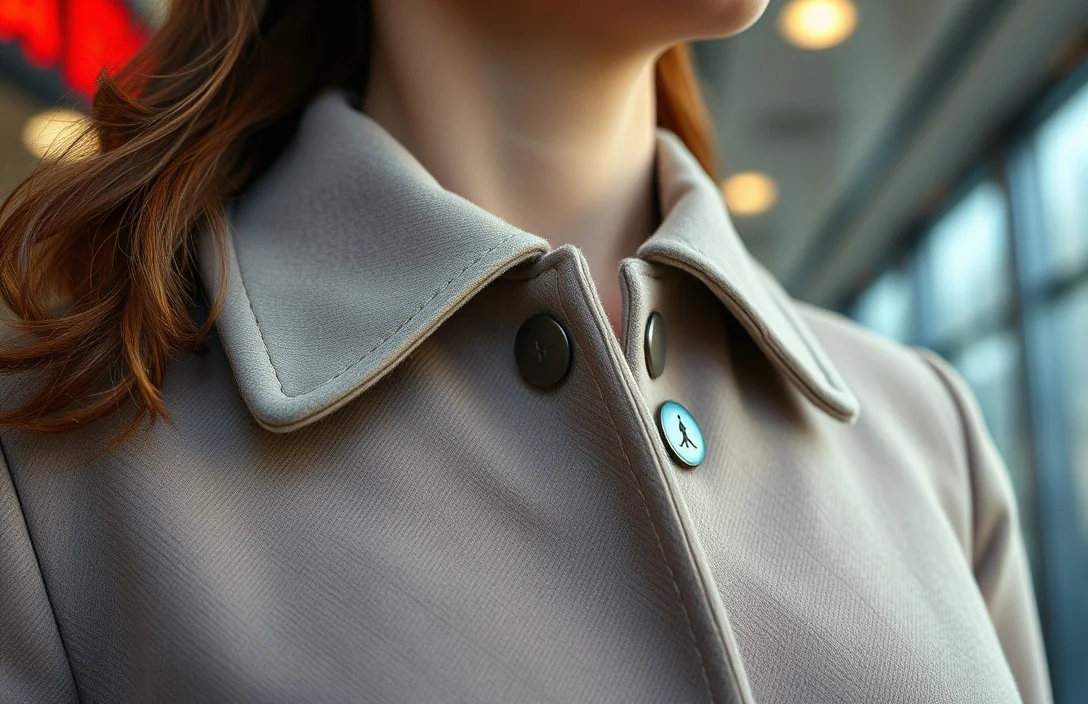
Two clear goals drive the process: the pin should sit evenly along the collar line and stay secure through normal movement. Start by deciding which side of the collar gets the pin and how visible you want it to be. For most outfits, position the decorative element toward the outer edge of the collar so it is readable from a polite distance when you speak.
Next, check your collar’s weight and fabric. A lightweight cotton or silk blends easily with a slim pin, while heavier wool can support a slightly larger piece. If you are aiming for a minimalist look, a small, smooth disk or bar pin often delivers a crisp line without competing with the rest of your setup. The main thing is to avoid a pin that lodges and pulls at the fabric or creates a lumpy silhouette as you move.
Step-by-step, here is how to place it without guesswork:
1) Choose the right pin length for your collar width, typically 1/2 inch to 1 inch.
2) Position the pin along the collar’s center line, roughly 1/4 inch below the seam.
3) Align the decorative face to face outward and parallel to the collar edge.
4) Secure with the back or clasp, ensuring the pin lays flat and doesn’t twist.
5) Check alignment in a mirror from chest height and adjust as needed.
6) Remove before washing or packing the garment or when handling rough outdoors.
After the pin is in place, observe how it behaves with your necklines and outer layers. If you wear a scarf, you might need to tuck or adjust so the scarf doesn’t press into the pin head. For most office or formal settings, a tiny, unobtrusive pin keeps things elegant while still giving a hint of personality. In more casual outfits, you can let the pin stand out a touch more by choosing a brighter metal or a subtle gemstone.
For practice, test with two collars you regularly wear. A narrow, high stand collar behaves differently from a wide, spread collar. The stand collar often looks best with a short pin placed closer to the seam, while a wider collar can handle a longer piece set a pinch lower. Over time you’ll build a sense for how much visibility you want and where the line should sit.
In practice, you can also consider seasonal changes. In summer, a light metal with a simple shape reads cleanly against lighter fabrics. In winter, a slightly heavier pin with a warm metal tone can complement knitwear and heavier coats. If you travel, pick a versatile option that looks equally at home with a suit, a dress, or a casual jacket. The key is to keep the line straight and the pin secure so it reads as intentional, not accidental.
Choosing the right coat pin for a collar
A collar pin’s style starts with the pin itself. You can select from classic minimalist discs, decorative floral shapes, gemstones, or heraldic emblems. The size should correlate with collar width and the coat’s overall heft. Lighter fabrics deserve slimmer profiles; heavier fabrics can carry a slightly larger or more ornate pin without drawing too much attention.
Pairing considerations matter as well. Brass and gold-tone pins cast a warm glow on burgundy, navy, or charcoal coats, while silver tones suit stainless blues or cooler palettes. If you wear a lot of black, a pin with a bright accent (like a small gemstone) can serve as a focal point without clashing with the wardrobe. For daytime wear, a modest, unobtrusive pin often outperforms a flashy piece.
| Pin type | Pros | Cons | Best for | Typical size |
|---|---|---|---|---|
| Discreet disc | Subtle, versatile | May look plain on bold fabrics | Everyday use | 1/2 inch |
| Decorative enamel | Adds color without weight | Can wear out over time | Casual to business casual | 5/8 inch |
| Gemstone accent | Elevates evening wear | Higher price, needs care | Formal events | 3/4 inch |
| Crest or initials | Personal touch | Can feel flashy in conservative settings | Special occasions | 1 inch |
Choosing a pin means balancing aesthetics with practicality. If you wear a lot of wool and tweed, a slightly heavier piece holds up better and reads as intentional rather than a fragile accessory. For silk or satin, lean toward lighter metal and smoother edges to avoid snagging. Always consider how the pin finishes catch light under different lighting – glossy finishes can draw attention, while matte tones blend more quietly.
Placement and alignment principles should guide every choice. Centering the pin along the collar’s axis creates symmetry, while keeping the pin head parallel to the collar edge preserves a crisp silhouette. If your collar has a defined seam line, place the pin just below that seam so it anchors the fabric without creating an extra ridge. The end result should feel like a natural extension of the outfit, not a separate gadget attached to your clothing.
In terms of maintenance, choose finishes that tolerate daily wear. Brass tones may patina gracefully over time if you’re not worried about a little vintage character. If you prefer a late-night sparkle, select a pin with a fixed crystal or gemstone that won’t shift when you move. The most reliable pieces stay firmly in place with a standard clutch back or a locking mechanism, reducing the risk of losing a pin on a windy day or during travel.
Placement and alignment are not abstract concepts; they’re observable details. To spot-check, stand in a mirror and turn your head side to side. The pin should remain visually centered and not tilt toward the shoulder or toward your neck. If it shifts when you shrug, upgrade to a pin with a stronger clasp or switch to a lighter metal to reduce pull on the fabric. The small adjustments create a visible difference in professionalism and polish.
Placement and alignment principles
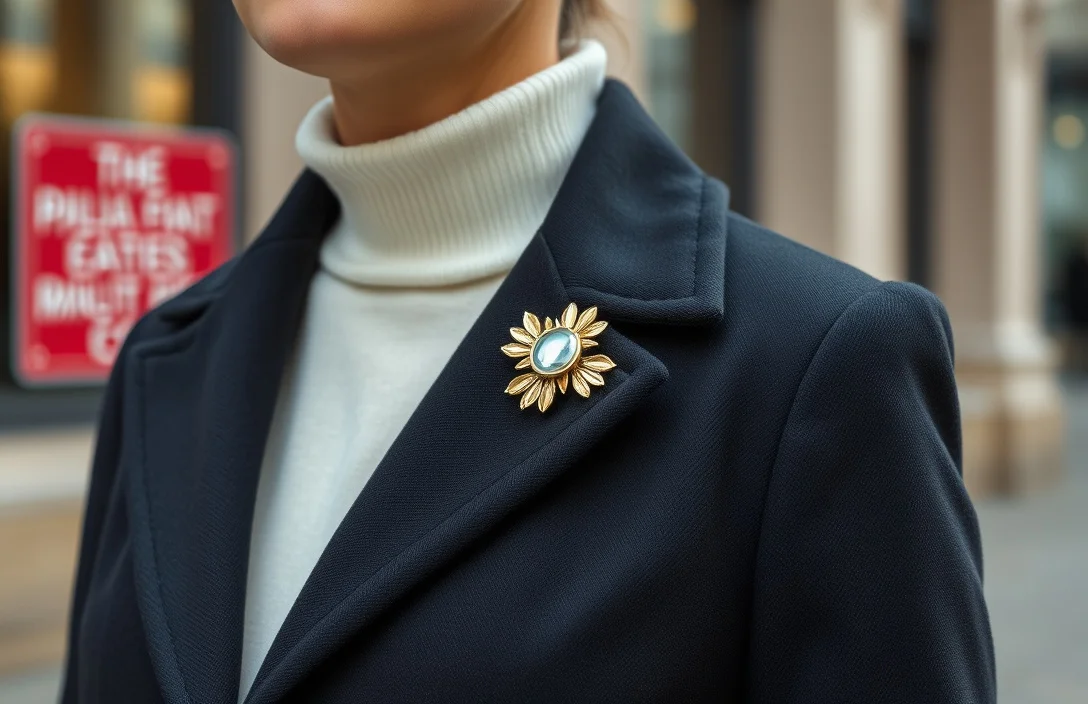
Exact alignment delivers the crisp, intentional look you want. Start by treating the collar as a straight line, then place the pin so its axis runs parallel to that line. If your collar has a prominent edge, let the pin land just below the edge so the decorative portion sits above the edge and communicates a clear sense of finish. Counterintuitively, a pin that sits slightly off-center can look purposeful if the outfit itself is asymmetrical in other ways.
Two quick checks fix most misalignment problems. First, verify the pin’s vertical position in a mirror at chest height; you don’t want the pin perched too high where it competes with your neckline. Second, confirm that the back clasp isn’t indenting the fabric or creating a bulky pocket under the collar. If either check fails, re-seat the pin and re-clasp. With practice, you’ll gain a natural sense for slight tweaks that improve overall balance.
A few practical tips help you avoid common pitfalls. Never pin through multiple layers unless the fabric is very sturdy; otherwise you risk tearing or puckering. If your coat has a removable collar, ensure the pin’s weight is distributed so it doesn’t tug the collar toward the center. For bulky patterns on the coat, choose a smaller, subtler pin so the pattern doesn’t compete with the pin. The end result should be a tidy, professional line that adds interest but never distraction.
In addition to technical accuracy, consider the context. At a formal event, align the pin with the center of the lapel if your coat uses one, and keep the decorative face visible from a slight angle. For a business meeting or interview, aim for near-silent elegance – small, flat, and well-secured. The right pin, placed with care, communicates a quiet confidence that complements your attire without shouting.
Coordinating with outfits and occasions
A pin is a punctuation mark for your outfit, not a takeover. Start by scanning the color family you plan to wear and pick a pin tone that either matches one of the metals in your jewelry or contrasts in a controlled way. If your jewelry is minimal, a single small gemstone can add interest without competing with your earrings or necklace. When your outfit already carries a lot of detail, opt for a restrained pin with a smooth finish.
For workplace looks, keep the pin understated: a simple disc or narrow bar in brass, gold-tone, or silver matches a gray, navy, or black suit. For evening events, you can raise the formality with a gemstone accent or crest that picks up the color of your dress. If the event features color blocks or bold patterns, pick a pin that picks up one of the colors from your outfit rather than adding another loud hue. Balance is the core rule.
Seasonality matters, too. In spring and summer, brighter finishes or enamel colors can complement lighter fabrics and fresh palettes. In fall and winter, a warm metallic or deeper gemstone adds a touch of luxury to heavier coats. The key is consistency: two or three metal touches total across accessories keeps the look cohesive. A pin should feel like it belongs to the garment, not an afterthought.
In terms of fabric care, remove the pin before laundry or garment care cycles. It’s worth double-checking pockets and cuffs so you don’t accidentally snag the fabric during routine washing. If you travel, pack the pin in a soft pouch within a jewelry case to prevent bending or misalignment from rough handling. A thoughtful packing routine preserves the pin’s shape and finish for repeated use.
Troubleshooting and common mistakes

Crooked placement is the most obvious mistake. If the pin starts off-center, remove it and re-pin along the collar axis so the decorative face faces outward when you’re upright. Windy days or fast-moving crowds can cause the pin to shift; to prevent this, use a pin back with a locking mechanism or a second pin for added security on very lightweight fabrics. The goal is to keep the line clean, not to chase a trend that won’t hold.
Another frequent error is choosing a pin that’s too long for the collar. Long pins can protrude beyond the edge of the coat and read as accidental. Shorter pins create a crisp silhouette but may fail to be noticed. If you’re undecided, start with a 1/2 inch pin on a standard collar and adjust based on feedback from fit and fabric. For bags or capes, skip the collar pin entirely to avoid bulky, mismatched lines.
Fabric snagging happens when the pin finishes are rough or the metal is too heavy. Always feel the edge of the pin against your skin; you don’t want rough edges digging into your neck. If you see pilling or pulling on the collar edge after pinning, switch to a smoother, more slender pin. A quick test is to run a finger along the collar line after pinning; if you feel resistance, remove and re-pin with a gentler option.
Care, maintenance, and removal
Protect the finish by wiping metal with a soft cloth after wear and avoiding contact with strong chemicals like perfumes or sprays. When not in use, store the pin in a small jewelry box or pouch to prevent tarnish or scratches. If the pin has a gemstone, check the setting periodically to ensure stones stay secure and don’t loosen with movement.
Regular practice helps you keep the technique crisp. Inspect the clasp monthly for wear and replace backings that show signs of bending or loosening. If you notice any bending in the collar itself, stop using the pin on that garment until you can assess fabric integrity. With proper care, a coat pin remains a reliable accessory for seasons.
In practice, carrying a spare back or two is smart, especially if you frequently travel or attend events in windy locales. A small jewelry kit with a few spare backs and a soft cloth allows you to refresh the pin’s fit on the fly. If you notice discoloration or surface wear, consider a professional cleaning or a new pin to preserve the polished look you expect from your coat.
In practice: real-world scenarios
Case studies help translate the method into everyday choices. A business professional attaches a small brass disc on a navy wool coat to echo gold jewelry without overpowering the suit. A fashion-forward editor pairs a navy coat with a silver-tone pin that catches the light as she moves through a gallery opening. For casual weekends, a bright enamel flower on a light trench reads playful but restrained, especially when paired with simple studs.
Now imagine a formal wedding guest scenario. A petite gemstone pin in a warm tone harmonizes with a burgundy dress while remaining tasteful against a cream-colored coat. If the wearer has a scarf, a quick check confirms the scarf does not hide or warp the pin’s head or create a bulky silhouette. The pin should add a little sparkle without stealing the spotlight from the outfit.
When you’re wearing a coat with a visible collar, you’ll often notice the pin well before people notice your shoes or bag. That is the point: a well-placed coat pin offers a compact, deliberate accent. With practice, you’ll skip the guesswork and place the pin with a single, confident motion, knowing it will stay straight and readable from a respectful distance.
FAQ
How do I choose the right pin length for a collar?
The best length is typically 1/2 inch to 1 inch, depending on collar width and coat heft. 1/2 to 1 inch keeps a balanced silhouette without overpowering the collar.
Is it safe to wear a coat pin on delicate fabrics like silk?
Yes, but choose lighter pins and avoid sharp edges. Lightweight pins with smooth backs minimize snagging on fragile fibers.
Can I wear a coat pin while washing clothes?
No. Remove the pin before laundering to prevent snagging or bending. Always remove before washing any garment with a collar pin.
What styles work best for everyday wear?
Discreet discs or slim bars in brass or silver-tone read as versatile for daily wear. Discreet discs or slim bars balance practicality and polish.
What is a common mistake to avoid with coat pins?
Crooked placement is the most noticeable error. Always check alignment in a mirror and adjust if the pin tilts. Crooked placement is avoidable with a quick re-seat.
Closing verdict: A coat pin on the collar is a small, high-impact detail. Pick a pin that matches your fabric weight and wardrobe color family, place it along the collar’s axis, and secure with a locking backing to stay neat all day. Practice on a couple of collars, then keep a tiny repair kit in your bag for on-the-go adjustments.
Next actions
- Inspect two favorite coats for collar width and fabric type, then pick one pin style to test for a week.
- Practice the four-placement checks in front of a mirror: line, height, orientation, and security.
- When you’re satisfied, apply the same approach to your most worn coats and keep the technique consistent across outfits.