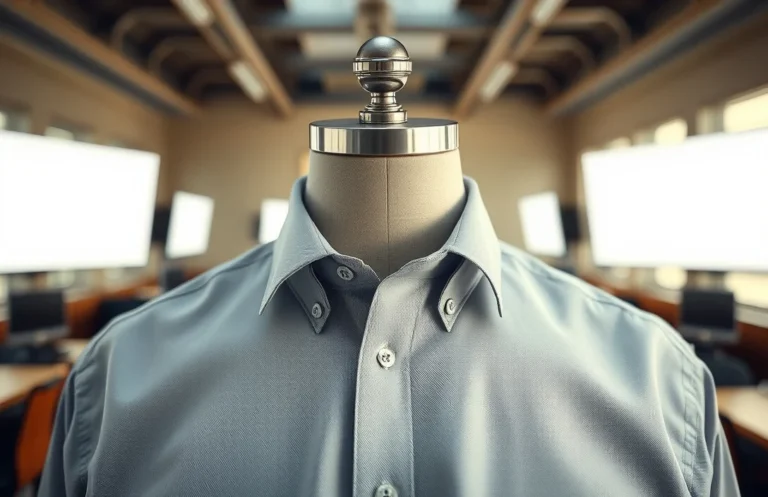

How To Wear A Collar Pin Shirt?
A collar pin sharpens the line of your shirt and adds vintage polish. You need a compatible shirt, a pin with a secure back, and a steady hand. If you want to wear a collar pin, follow a simple sequence: prep the shirt, position the collar, insert the pin, and adjust for a clean, balanced knot.
Collar pin shirt setup: Choose a collar with holes near the tips, slide the pin through both points, and position it so it sits just above the top button. Wear a standard necktie with a four-in-hand knot to keep the line tidy and secure, avoiding over-tightening that strains the fabric.
Key Takeaways
- Right shirt required. Collars must have holes near the tips to accept a pin.
- Pin and hole alignment. Align holes to keep the pin stable and prevent wobble.
- Top button decision. With a tie, keep the top button fastened to anchor the collar.
- Gentle insertion. Insert slowly to avoid tearing the fabric.
- Alternative options. If holes are absent, use a collar bar instead for the same lift.
- Care after wear. Wipe and store the pin to prevent rust and loss.
What a collar pin does and who should wear one

A collar pin lifts the collar points and creates a crisp vertical line from neck to tie. It’s a deliberate, formal detailing that works best with classic dress shirts and refined, understated accessories. If your goal is a sharp, traditional look, a collar pin is a strong, controlled choice. It signals intention without shouting.
For practice, start with a shirt that clearly supports the pin’s action. Not every collar supports a pin, and not every tie knot hides the mechanism neatly. In practice, the look is most successful when the points rise in harmony with the knot, not in opposition to it. If you want a softer approach, save collar pins for occasions that demand a higher degree of formality.
Choose the right collar and pin
The pin’s effectiveness hinges on the collar’s design. Point and semi-spread collars with small accelerator holes near the tips are ideal. A collar without holes will fight the pin, causing skew or fabric stress. If your shirt lacks holes, a collar bar or a clip-style pin is a safer alternative that still creates a lifted line.
When selecting a pin, aim for stainless steel, brass, or brushed metal with a low-profile head. A long pin can press into the shirt fabric and create puckering; a shorter pin sits more flush and stays aligned with the collar points. Check that the back mechanism locks securely and won’t slip during the day. If you wear a thicker knot, such as a full Windsor, ensure the pin sits slightly higher to keep the line clean.
Check before you buy: look for pre-punched holes at the collar tips, verify the pin length matches the spread of your collar, and confirm the back has a secure securing mechanism. If you’re transitioning from a casual look, practice on a spare shirt to dial in height and pressure. You’ll know you’ve got the right setup when the points stand up evenly and the tie knot remains clearly visible.
- Pin type: Simple collar pin – Pros: Quick to use; classic look. Cons: Requires compatible holes. Best for: Formal days with a traditional collar.
- Pin type: Collar bar – Pros: Easy to adjust; no pin holes needed. Cons: May feel bulkier; less subtle. Best for: Modern spreads without holes.
- Pin type: Clip-on collar pin – Pros: No piercing required. Cons: Can slip; less secure. Best for: Travel days or experimentation.
how to wear a collar pin shirt

Start with a shirt that supports the pin and a compatible collar. Don’t force the pin into a shirt that isn’t made for it. A few checks prevent mishaps and fabric wear.
1) Prep the shirt and tie. Button the collar and choose a standard knot that sits cleanly under the collar. A four-in-hand knot works well for most builds and hides the pin’s presence beneath the knot slightly. Leave the top button set for comfort.
2) Position the collar. Fold the points so they align symmetrically, and locate the holes near each tip. The goal is to align both holes horizontally so the pin can pass through both at once.
3) Insert the pin. Gently guide the pin through both holes. Stop when the head rests flush on the outer side. Don’t force it; if there’s resistance, back out and re-align.
4) Secure the back. Attach the back mechanism so the pin can’t move. A firm lock prevents shifting as you move through the day.
5) Adjust the look. Check the lift of the collar points; they should be even and not pressed into the skin. If needed, tilt the pin slightly so the front-facing portion sits above the knot rather than behind it.
6) Final check. Stand before a mirror, adjust the knot as needed, and confirm the line from neck to tie is straight and deliberate. If the pin shows from the front, a tighter knot can reduce glare.
In practice, start with a subdued, balanced lift. If the points don’t rise evenly, recheck hole alignment and back securement. A small adjustment goes a long way.
Mistakes that waste time
- Pin too high or too low. Move the pin to sit just above the top button for the cleanest line and a knot that remains visually dominant.
- Pinholes misaligned. Remove, realign, and reinsert; misalignment creates wobble.
- Forcing the pin into thick fabric. Use a backer or smoother insert; don’t press hard or you’ll wear the fabric.
- Lumpy knot. If the knot looks bulky, tighten the collar base slightly or shift the pin so the points rise more evenly.
- Back loosened. Switch to a pin with a more secure locking mechanism or replace the back with a tighter clip.
- Wearing with the wrong tie. A heavy knot or bold tie competes with the pin’s lift; choose a balanced knot and restrained tie.
If there’s fray around the collar holes, stop using that shirt with a pin and switch to a collar bar or clip-style pin. The goal is a clean, controlled uplift that doesn’t stress the fabric. Practice on a thrifted shirt before committing your best dress shirt to a formal event.
Real-world styling and occasions

A collar pin signals intention. It belongs in settings with a formal, traditional line. Weddings, formal dinners, or important business events are ideal. For a modern riff, pair it with a tailored navy or charcoal suit and a medium-width tie. Keep accessories minimal to let the pin be the understated hero.
Fabric choices affect how the pin reads. Smooth cottons with tight weaves handle the pin best, while textured fabrics can bunch around the holes if the pin is too long. Metal finishes – brushed brass, gunmetal, or polished steel – coordinate with belt buckles and cufflinks rather than compete with the tie. Finish consistency matters: match your belt and watch hardware to keep the overall aesthetic cohesive.
People often worry about whether the pin makes their outfit look old-fashioned. It’s not about old or new; it’s about proportion and restraint. If the setting is conservative, lean into clean lines and a modest lift. In a fashion-forward environment, choose a simpler knot and a slimmer pin to strike a balanced, contemporary note.
Maintenance, care, and replacements
Collar pins are small, but they require care to keep their edges clean and their backs secure. Wipe stainless steel or brass pins after wear to remove sweat and oils. Store pins in a small jewelry box or a dedicated pin case to prevent scratches and loss. If you notice any rust or corrosion, replace the pin promptly to avoid staining your shirt.
Choosing replacements means evaluating wear frequency, collar compatibility, and metal finish. If you rotate multiple shirts, a few pins with interchangeable backs reduce clutter and simplify adjustments. Keep a spare back or two so you can replace quickly without tools. When you’re packing for travel, toss a compact kit that includes a spare pin and back.
- Simple collar pin: Quick and classic; best with traditional holes and a conservative knot.
- Collar bar: No holes required; steadier lift for dynamic collar spreads; good for travel and variable necklines.
- Clip-on pin: No piercing required; least secure but convenient for temporary use or experimentation.
Keep in mind: the most important part is your shirt’s collar compatibility. If the collar lacks the necessary features, the pin won’t perform as intended and may damage fabric. Use the pin only with appropriate collars and always test fit before a public appearance.
Alternatives and when to skip
If your shirt doesn’t support a pin, several alternatives deliver a similar effect with less risk. A collar bar across the points gives lift without puncturing fabric. A high-end tie bar can add polish while keeping the look clean if you want a subtle, modern hardware anchor. For casual or professional environments that aren’t strict about formalism, skip the pin and stick to a crisp collar, a well-fitted shirt, and a solid knot.
The decision to use or skip a collar pin comes down to context and shirt compatibility. In a high-stakes meeting or wedding venue, the pin can elevate the presentation when used correctly. In a fast-paced office or casual event, a collar bar or a simpler collar approach may be more practical.
FAQ
How do I know if my collar supports a pin?
A: Look for small holes or slots near the collar tips. If you don’t see them, a pin will not sit correctly and may cause fabric damage. Hole presence is required for safe use.
Q: Can I wear a collar pin with any tie knot?
A: It pairs best with medium to smaller knots like four-in-hand or half-Windsor, which leave the knot visible and unobstructed. Recommended knot range is four-in-hand to half-Windsor.
What happens if the pin falls out during the day?
A: Stop, remove the shirt, reinsert with clean alignment, and reset the back. If it keeps slipping, switch to a collar bar or skip the pin altogether. Secure the back and recheck alignment.
Q: Are collar pins appropriate for business casual?
A: They’re more suited to formal or semi-formal contexts. For strict business casual, skip the pin and keep the look simple yet sharp. Formal look prioritizes the pin.
How do I care for a collar pin after use?
A: Wipe with a soft cloth to remove oils, dry fully, and store in a small box. Dry and store after wear.
What if my shirt lacks holes but I want a similar effect?
A: Use a collar bar or clip-on pin designed for non-punched collars. They provide lift without piercing fabric. Use a collar bar if no holes.
Practical verdict: If you have the right collar and a compatible pin, the effect is clean, controlled, and worth practicing. Start on a spare shirt to dial in height and alignment, then apply the technique to your best dress shirt for formal occasions. Take your time with insertion, check the line in a mirror, and enjoy the refined edge it adds.