

What Are Collar Pins? Guideline For Beginners
Collar pins are making a quiet comeback for sharp shirts and subtle authority. With endless collar styles and a growing interest in accessories, choosing the right pin can feel overwhelming. You get a clear definition, quick history, and practical guidance on wear, pairing, and budget friendly options so you can elevate looks from casual to formal.
Collar pins are decorative bars that slip through the shirt collar holes to keep the points aligned and create a clean lift. Historically they emerged in the late 19th century formalwear tradition. Modern options include minimalist straight pins, ornate jeweled styles, and adjustable tie bar variants for everyday wear.
What Are Collar Pins?

A collar pin is a slender metal bar designed to pass through both points of a shirt collar, locking the front edges together. It also creates a crisp line and adds a subtle metallic accent to a dress shirt. In fashion circles it’s also called a collar bar or collar clasp.
Core function is to secure the collar while elevating the shirt’s silhouette. The pin sits across the collar and stays in place through alignment with tiny holes or reinforced slits at each collar point, combined with the tension of the fabric. More modern variants use a small chain or clip that protects the pin from slipping and keeps it visible when the top button is undone.
| Style | Material | Finish | Best For | Typical Price |
|---|---|---|---|---|
| Classic through-pin | Brass, steel | Gold or silver tone | Formal shirts with point or semi-spread collars | $20 – $120 |
| Chain collar pin | Stainless steel | Polished | Evening wear, weddings | $30 – $200 |
| Clip-on or clip pin | Brass or stainless | Nickel or brushed metal | Casual or non-pierced collars | $15 – $50 |
Style tip: Keep other hardware minimal to let the pin’s shine register. Pair with a crisp white or light blue shirt for maximum impact. – Vogue, Harper’s Bazaar
In practice, reserve collar pins for shirts with clean, well-pressed collars and stable points. They pair best with tailored suiting or smart-casual ensembles and should be avoided on overly busy patterns where the pin competes with the shirt print.
Origins and History of Collar Pins
Early uses and contexts: Collar fasteners began as functional pins to secure detachable collars, keeping stiff fronts in place. By the early 20th century these pins gained decorative finishes, turning into an accessory that signaled formality and attention to detail in menswear.
| Era | Key Features | Social Signal |
|---|---|---|
| Late 19th century | Functional collar fastener | Practical, neat appearance |
| 1900s – 1930s | Metal finishes, initials | Professional polish |
| 1950s – 1960s | Sleeker shapes, minimalism | Discreet refinement |
| Contemporary | Designer motifs, varied materials | Heritage vibes or modern statement |
Style tip: When pairing a collar pin with a modern dress shirt, keep other metal accents minimal to avoid visual clutter.
Further reading notes: Vogue, Harper’s Bazaar, Who What Wear, and GQ offer historical context on menswear accessories and collar pins.
Decorative vs Functional Collar Pins
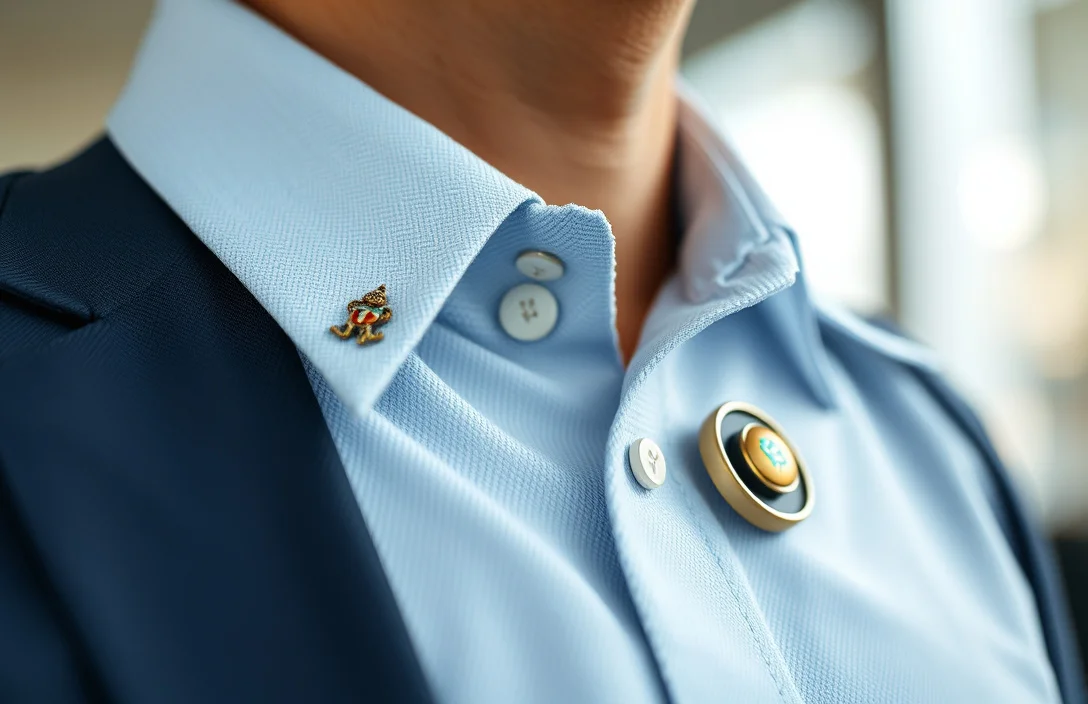
Two main categories define collar pins: purely decorative pieces that embellish the shirt, and functional pins that help hold the collar in alignment. A growing number of designs combine both aims, offering ornament plus stabilizing features.
Decorative designs rely on surface finishes to convey style. Enamel provides color blocks that coordinate with ties or pocket squares; stones or crystals offer a subtle sparkle for evening wear; metals such as brass, silver, or gold-tone create a refined silhouette against crisp cotton or poplin.
Functional pins integrate alignment and stabilization to keep the collar edges from shifting. Common mechanisms include a small anchor or tension bar that sits across the collar points, or a locking clasp that secures behind the placket. These features are designed to hold layers in place without slipping.
Some designs use a collar clasp to secure the edges, and others rely on a shirt pin with a built-in anchoring mechanism. Combination styles pair a decorative top with a functional base, delivering both visual interest and daily security.
For practical wear, look for collar bar style variants that combine a decorative head with a simple bar that connects the points. They can be used on classic spread collars or button-downs when you want a neat, deliberate line.
Style tip: When choosing a combo piece, match the metal tone to other metals in your outfit, and keep the shirt collar clean to let the pin read clearly.
Overview in table below shows how to compare options at a glance.
| Style Type | Description | Best For | Typical Materials | Price Range |
|---|---|---|---|---|
| Decorative | Purely ornamental; adds color or texture | Formal events, fashion-forward streetwear | Enamel, crystals, mixed metals | $15 – $150 |
| Functional | Includes alignment or locking mechanism | Daily wear, shirts that slip easily | Metal bars, hinges, clips | $20 – $120 |
| Combination | Decorative top with functional base | Versatile, all-day use | Metal, enamel, stones | $25 – $180 |
Industry voices note that clean lines and restrained sparkle read best on high contrast shirt fabrics, guiding selections for both decorative and functional pieces.
How to Attach Collar Pins
Placement and assembly: Collar pins attach by threading through the two collar layers near the points and securing on the underside with a back piece or clip, pulling the points together for a sharp line. Position the pins so their heads sit evenly along the collar edge, keeping the line parallel to the shirt front.
Style tip: Keep collar pins aligned and the metal finish understated for a modern, sophisticated look that suits formal and smart-c casual outfits alike.
| Aspect | Guidance | Notes |
|---|---|---|
| Placement | Center between collar points, pins level | Distance roughly 2.5 – 3 cm on standard shirts |
| Backings | Butterfly clutch or cap backs secure underside | Avoid loose or bent backs |
| Fabric care | Wipe after wear to remove oils | Store in a jewelry box to prevent tarnish |
Outfit Pairings with Collar Pins

Collar pins enhance various outfit styles, making them suitable for both formal and smart-casual occasions. Their versatility allows for creative expressions across different dress codes, from classic suits to relaxed shirts without ties.
When styling, consider the fabric and color of both the collar pin and the shirt. Metallic pins work well with solid colors, while enamel or decorative pins can complement patterns. Here’s a table showcasing popular collar pin styles suitable for various occasions:
| Style | Occasion | Best Pairing |
|---|---|---|
| Simple Silver Pin | Formal Events | White Dress Shirt & Black Tuxedo |
| Decorative Enamel Pin | Smart-Casual | Fitted Shirt & Chinos |
| Novelty Pin | Casual Outings | Button-Up Shirt & Jeans |
Ultimately, collar pins can enhance your wardrobe versatility. They provide an easy way to personalize your outfit while adhering to various style guidelines. Experiment with different materials and designs to find those that resonate with your personal taste and occasion.
Matching Pins to Collar Styles
When selecting collar pins, understanding the collar type is crucial for achieving the desired aesthetic. Different collar styles, such as point and spread collars, require specific pin designs to enhance their appearance and functionality.
Point and Spread Collars
Point collars are characterized by their narrow, pointed ends, which can accommodate thinner pins. A typical pin length for point collars is around 1 to 2 inches, allowing the pin to secure the collar without overwhelming its shape. Spread collars, with their wider openings, can support longer and more decorative pins, typically ranging from 2 to 3 inches. Choosing a pin that is too short for a spread collar may result in an unbalanced look.
Club, Tab, and Specialty Collars
Club collars, known for their rounded ends, work well with shorter, more rounded pins that complement their shape. A pin length of about 1 to 1.5 inches is ideal for maintaining proportion. Tab collars, which feature a hidden button-down design, are best suited for pins that can be discreetly placed to enhance the collar’s clean lines. For other specialty collar styles, such as wing or mandarin collars, consider unique pin designs that align with their distinct aesthetics, keeping in mind the overall outfit and occasion.
Pin Length and Width Considerations
Matching the pin’s length and width to the collar style is essential for a cohesive look. A general rule is to choose pins that are proportional to the collar’s width; wider collars can handle bolder, thicker pins while narrower collars require slim, delicate pins. The width of the pin should also be considered – thinner pins can create a more understated look, while thicker pins can serve as a statement piece.
| Collar Style | Recommended Pin Length | Recommended Pin Width |
|---|---|---|
| Point Collar | 1-2 inches | Thin |
| Spread Collar | 2-3 inches | Thick |
| Club Collar | 1-1.5 inches | Short and Rounded |
| Tab Collar | 1.5-2 inches | Subtle |
| Specialty Collars | Varies | Varies |
Understanding how to match collar pins to various styles enhances both the functionality and aesthetic of your outfit. Whether for casual or formal settings, choosing the right pin elevates the overall look.
Where to Buy Collar Pins
Collar pins can be found across a spectrum of retailers, catering to various budgets and styles. Affordable options are available at fast fashion stores, while mid-range and designer selections can be sourced from specialty boutiques and luxury retailers.
Budget-Friendly Options
For those seeking stylish collar pins without breaking the bank, consider the following retailers:
Mid-Range to Designer Pins
Shoppers looking for higher quality or unique designs may explore these options:
Authenticity Tips
When purchasing collar pins, especially from online sources, ensure authenticity by following these tips:
Data Insights
| Retailer | Price Range | Style Options |
|---|---|---|
| ASOS | $5 – $20 | Trendy |
| Nordstrom | $20 – $50 | Contemporary |
| Etsy | $15 – $80 | Handmade/Vintage |
| Mr Porter | $100+ | Designer |
Quick Summary
Collar pins are decorative accessories that enhance the style and structure of collars on shirts and blouses.
| Type | Material | Style |
|---|---|---|
| Classic | Metal | Minimalist |
| Vintage | Enamel | Ornate |
| Contemporary | Fabric | Trendy |
Frequently Asked Questions
What are collar pins?
Collar pins are decorative accessories used to fasten and embellish shirt collars. They add a stylish element to both formal and casual attire, enhancing the overall look of an outfit.
How do I style collar pins?
To style collar pins, pair them with collared shirts, blouses, or even lightweight sweaters. Choose a pin that complements the color and fabric of your shirt for a cohesive look.
Where can I buy collar pins?
Collar pins are available at various retailers, including online platforms like Amazon, Etsy, and fashion specialty stores. Prices typically range from $10 to $50, depending on the design and brand.
Are collar pins still in style?
Yes, collar pins are currently trending in 2023 as part of a resurgence in vintage and retro fashion styles. They are often seen on runways and in street style, making them a versatile accessory for your wardrobe.
Do collar pins work for all body types?
Yes, collar pins can be worn by all body types, but the size and style should be chosen based on the collar type. For wider collars, opt for larger pins, while narrower collars suit smaller, more delicate pins for balance.